 English
 Español
 Türk
TürkContent
- 1 What Interlining Actually Means in Jacket Construction
- 2 Why the Interlining Method Works Well for Bomber Jackets Specifically
- 3 Types of Interlining Suitable for Bomber Jackets
- 4 How to Apply Flat Interlining to Bomber Jacket Panels
- 5 Interlining vs. Traditional Lining in a Bomber: Side-by-Side Comparison
- 6 Choosing the Right Interlining Weight for Your Shell Fabric
- 7 Using Fusible Interlining: When It Works and When to Avoid It
- 8 Handling Seam Allowances When Interlining a Bomber
- 9 Interlining the Sleeves: Special Considerations
- 10 Pocket Construction With Interlining
- 11 Common Interlining Mistakes and How to Avoid Them
- 12 Practical Tips From Experienced Sewers
- 13 Final Thoughts: Is the Interlining Method Right for Your Bomber Project?
Yes, you can absolutely use the interlining method to line a bomber jacket — and for many sewers, it's actually the smarter choice over traditional loose lining. The interlining method bonds or attaches a secondary fabric layer directly to your outer shell pieces before assembling the garment, which gives you more control over structure, warmth, and finish. Whether you're working with a lightweight nylon shell or a heavyweight wool varsity, interlining adapts well to bomber construction. That said, it's not always the default approach, and knowing when it works best — and what type of interlining to choose — makes all the difference between a jacket that looks professional and one that puckers, bunches, or feels stiff.
This guide breaks down the interlining method in detail: what it is, how it differs from a sewn-in free-hanging lining, which interlining materials work with bomber fabrics, step-by-step construction notes, and common mistakes to avoid. If you've been wondering whether your bomber project can skip the traditional lining insert in favor of something more integrated, read on.
What Interlining Actually Means in Jacket Construction
The word "interlining" gets used loosely in sewing circles, so it's worth being precise. In jacket and coat construction, interlining refers to a layer of fabric placed between the outer shell and the visible lining. It's distinct from interfacing (which is typically fusible and used to add stiffness to specific areas like collars and plackets) and from the lining itself (the decorative inner fabric you see when you open the jacket).
When people ask about "using the interlining method" to line a bomber jacket, they often mean one of two related techniques:
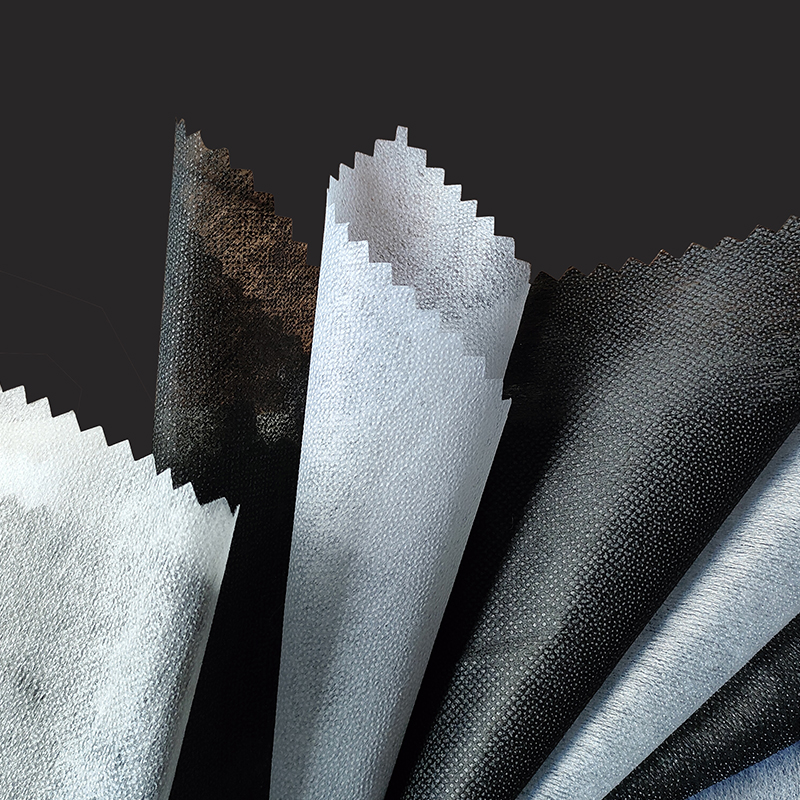
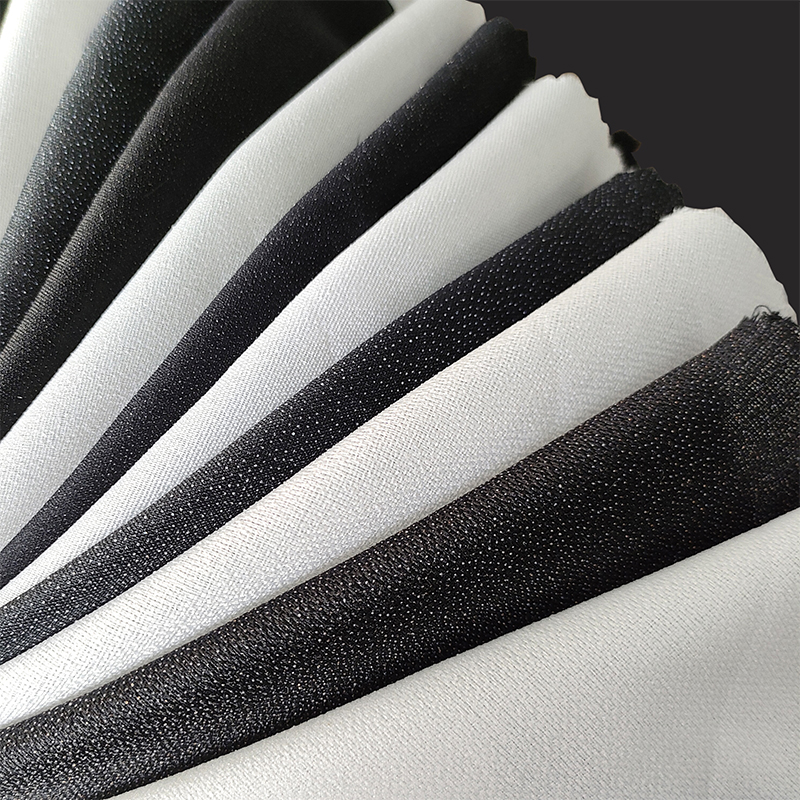
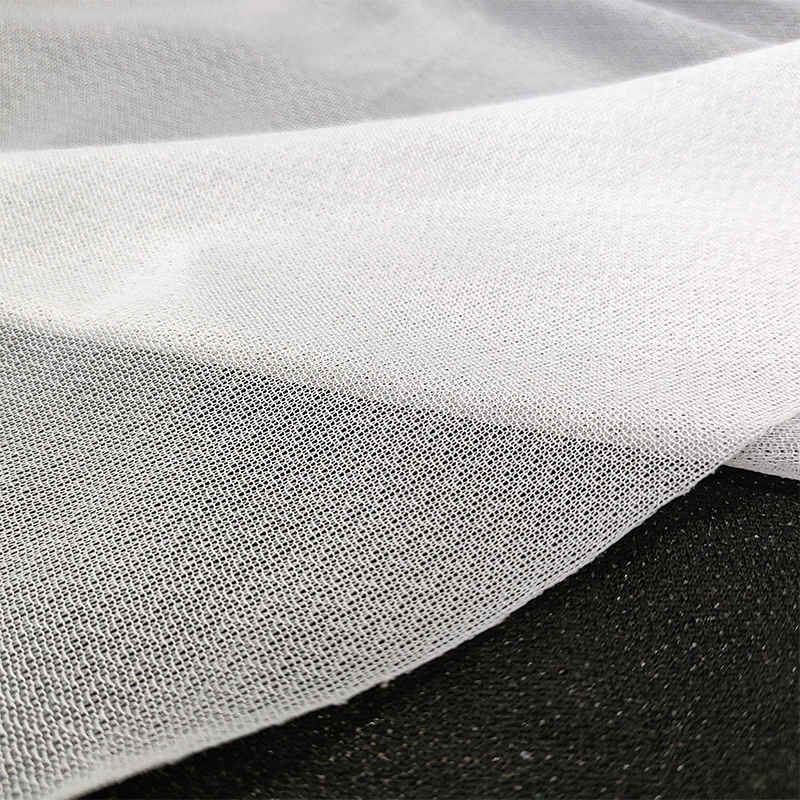
- Flat interlining (pad-stitched or basted): You attach the interlining to the wrong side of the outer shell pieces while they're still flat, before any seams are sewn. The shell and interlining are then treated as a single unit throughout construction.
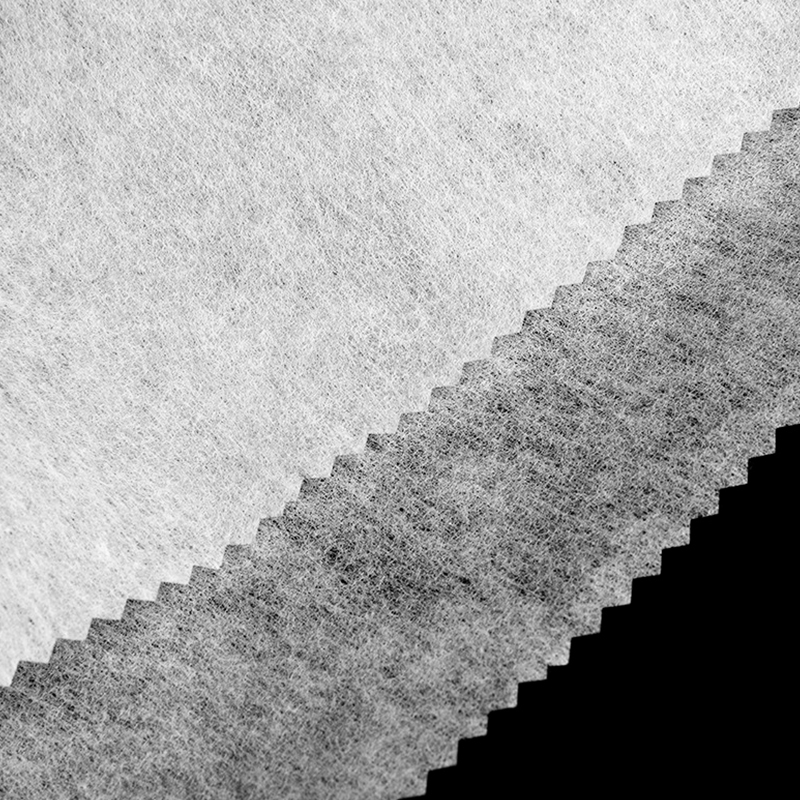
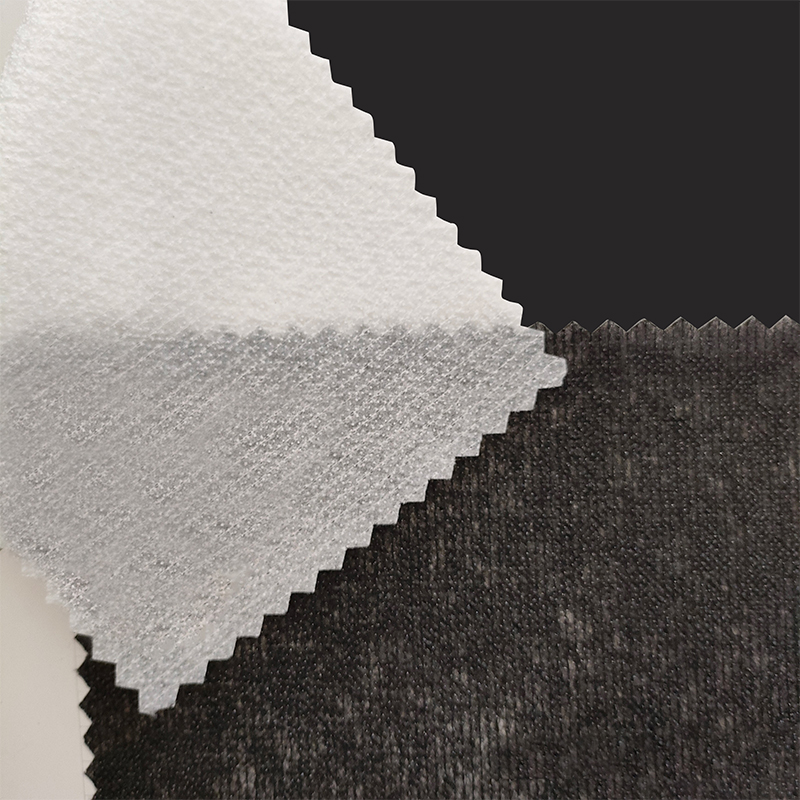
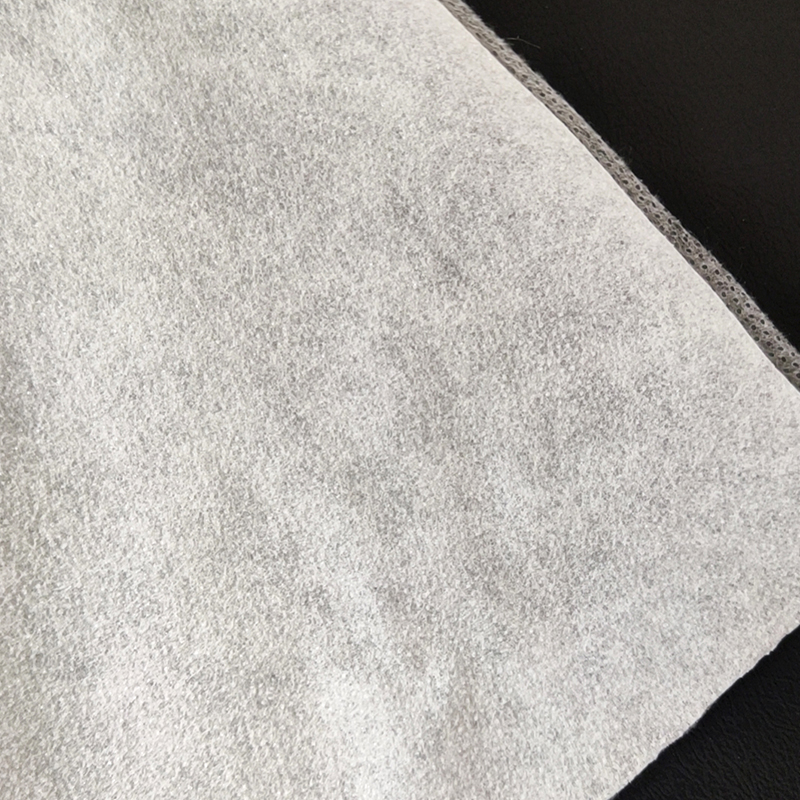
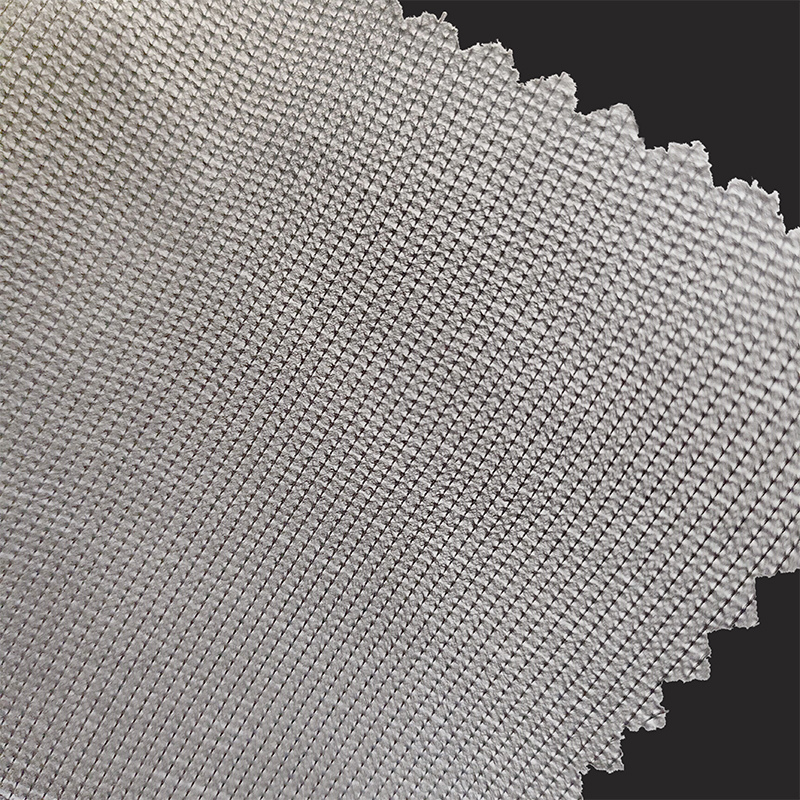
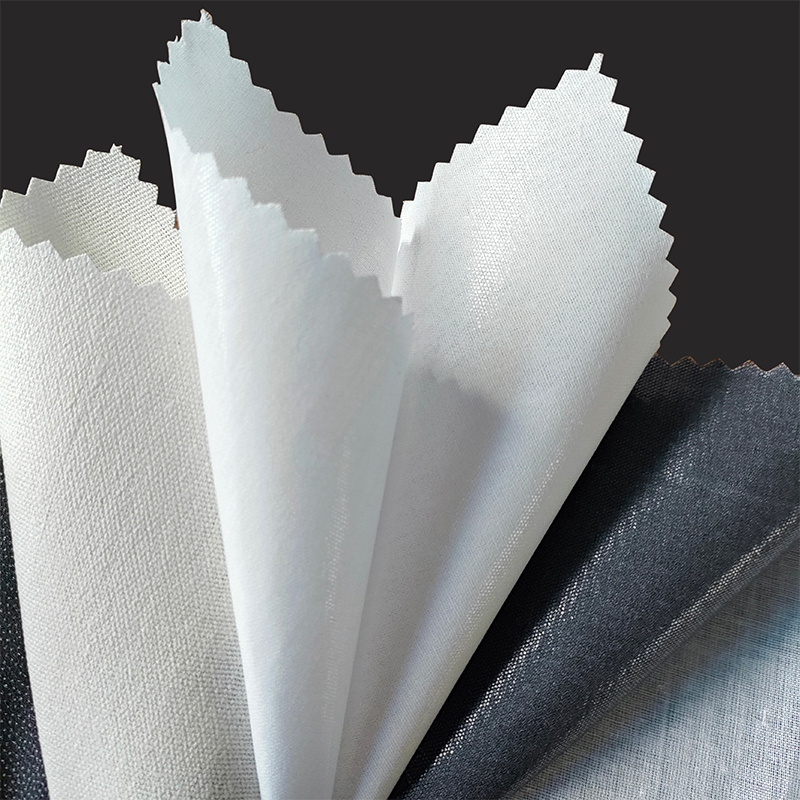
- Fused interlining: A fusible interlining (similar to heavy interfacing) is ironed onto the back of the shell fabric, again before assembly. This method is faster but less flexible and not suitable for all shell fabrics.
In either case, the result is a jacket where the outer shell has an attached underlayer before the decorative lining (if any) is added. Some bomber jackets made with the interlining method skip a separate visible lining entirely — the interlining serves as the inside face. Others use all three layers: shell + interlining + lining.
This is different from the classic "bagged lining" or "Hong Kong finish" approaches where a free-hanging lining is inserted last and attached only at the hem, cuffs, and facing edges. With interlining, the fabric layers are unified earlier in the process.
Why the Interlining Method Works Well for Bomber Jackets Specifically
Bomber jackets have a few structural quirks that make interlining particularly practical. Unlike a structured blazer or a tailored wool coat, a bomber is typically unlined in a traditional tailored sense — it relies on its outer fabric for shape rather than internal canvas or pad-stitched lapels. This actually makes it an ideal candidate for the interlining method.
Bombers Are Often Made From Lightweight Shells
Traditional bomber jackets — the MA-1 style, for instance — use nylon taffeta or ripstop that weighs as little as 1.5 to 3 oz per square yard. That's thin enough to show every lump, seam allowance, and tuck from a separately sewn lining underneath. When you interline first, the outer fabric lies smoothly over the underlayer without any internal movement creating surface distortion.
The Ribbed Hem and Cuffs Create Seaming Challenges
A free-hanging lining in a bomber needs to be attached cleanly at the ribbed hem and cuff bands — two of the most awkward attachment points in any jacket pattern. The rib knit gathers and stretches, making a neat invisible attachment of a hanging lining genuinely difficult. With flat interlining, you've already secured the inner layer to the shell panels, so you're just sewing shell-plus-interlining to the rib bands as a unified piece. This alone cuts down finishing time by roughly 30–40% for most home sewers new to bomber construction.
Warmth Distribution Is More Even
When you add a quilted or insulating interlining layer bonded to the shell, warmth is distributed uniformly across the entire jacket body. A loose lining with a separate batting layer can shift, bunch at the bottom, or leave cold spots near seams. Flat interlining eliminates this because the insulating layer can't migrate.
Types of Interlining Suitable for Bomber Jackets
Not all interlining materials are interchangeable. The right choice depends on your shell fabric, the intended warmth level, and whether you want the interlining to be visible on the jacket's interior or hidden under a decorative lining.
| Interlining Type | Weight | Warmth Level | Best Shell Pairing | Notes |
|---|---|---|---|---|
| Flannel / brushed cotton | Medium | Moderate | Nylon, polyester, light wool | Classic choice; easy to sew; natural feel |
| Fleece (anti-pill or micro) | Medium–Heavy | High | Any shell weight | Adds bulk; no fray; great for cold-weather bombers |
| Quilted interlining (pre-quilted) | Medium | High | Nylon, satin-faced shell | Adds visual texture; can be visible interior or hidden |
| Batting + muslin basted together | Varies | High | Heavier shells | DIY option; fully customizable warmth |
| Sew-in woven interlining (hair canvas) | Light–Medium | Low (structure only) | Wool, tweed, heavier bombers | Adds drape and structure, not insulation |
| Fusible knit interlining | Light | Minimal | Lightweight shell fabrics | Improves body and prevents transparency; not for warmth |
For a standard MA-1 style bomber made from nylon, pre-quilted nylon with polyester filling is the most historically accurate interlining choice — the original military-spec MA-1 used exactly this construction. The outer shell and quilted lining were separate but the quilted interior was itself a bonded assembly, not a loose hanging layer.
For a fashion bomber in velvet, brocade, or satin, a lightweight woven interlining (like a soft China silk underlining basted to the back of each panel) prevents the shell from distorting and gives the outer fabric a more "filled out" silhouette without adding bulk.
How to Apply Flat Interlining to Bomber Jacket Panels
The flat interlining method — also called underlining — involves attaching your interlining to each cut shell piece individually before any garment assembly happens. Here's a detailed walkthrough of the process:
Step 1: Cut Interlining to Match Shell Pieces
Cut your interlining pieces using the exact same pattern pieces as your shell. Do not add or subtract seam allowance — the interlining should match the shell precisely. For fabrics that fray easily (flannel, woven interlining), you can pink the edges or spray with fray-check before attaching. Fleece and batting don't require this step.
One important note: cut interlining on the same grain as the shell piece. A front panel cut on the straight grain needs an interlining piece also on the straight grain. Mismatched grainlines cause the two layers to pull differently when worn or washed, creating diagonal pulling across the chest or back.
Step 2: Align and Baste the Layers Together
Place the interlining against the wrong side of the corresponding shell piece. Smooth both layers flat on a table — don't stretch either piece to align. Starting from the center of the piece and working outward, pin every 3–4 inches across the whole panel. This center-out method prevents air pockets and small bubbles from getting trapped between layers.
Baste the two layers together using one of these methods:
- Machine basting: Sew a long basting stitch (4–5mm length) around the outer perimeter, just inside the seam allowance (about 3/8" from the edge). This keeps the layers stable during construction. Remove after final seams are sewn, or leave if it will be enclosed in seam allowances.
- Hand basting: Use a long diagonal basting stitch across the face of the piece in a grid pattern (every 3–4 inches). This takes more time but gives more control over layers that tend to shift (like slippery satin interlining under nylon).
- Spray adhesive: Temporary fabric spray adhesive (like Sulky KK2000 or 505 Spray) can hold interlining to the shell while you machine baste. Don't rely on spray alone for the finished garment — it's a positioning aid, not a permanent bond.
Step 3: Treat the Combined Panel as a Single Piece
Once basted, the shell + interlining combo is sewn exactly as if it were a single layer. Every seam, notch, and dart is sewn through both layers simultaneously. When you press seams open or to one side, press through both layers. This is the key advantage of flat interlining: all construction operations happen on a unified piece, removing any guesswork about alignment between layers.
For bomber jackets with a center front zipper, treat the zipper application the same way — the shell-plus-interlining panels are stitched to the zipper tape just as a single-layer shell would be. The interlining stays captured in the seam allowance at the zipper edge, which actually gives the zipper placket a cleaner, more supported edge than a single-layer shell would provide.
Step 4: Finishing the Interior
After the jacket is assembled with flat interlining, your interior finish options are:
- No additional lining: If your interlining is a fabric with a pleasant hand feel (fleece, quilted fabric, flannel), you can leave it exposed on the interior. Finish all seam allowances cleanly with a serger or Hong Kong binding.
- Add a decorative lining over the interlining: If the interlining is functional but not pretty (batting, muslin-covered batting), you can add a separate lining layer on top of the assembled jacket body. Slipstitch the lining edges to the seam allowances of the bomber at the neck, zip placket, and hem.
- Quilt-as-you-go with decorative stitching: If using a batting interlining, add visible quilting lines through both layers before assembling. This creates a channel-quilted interior that looks intentional and decorative, while also securing the batting in place permanently.
Interlining vs. Traditional Lining in a Bomber: Side-by-Side Comparison
If you're deciding between interlining and the classic bagged-lining approach, it helps to see the tradeoffs clearly.
| Factor | Flat Interlining Method | Bagged / Hanging Lining |
|---|---|---|
| Ease of construction | Easier — fewer steps at finishing stage | Harder — requires clean bagging at hem and cuffs |
| Interior appearance | Depends on interlining choice; can be casual or refined | Typically polished — silky fabric interior |
| Layer movement | Layers are fixed — no shifting or bunching | Lining floats free; can bunch or twist over time |
| Warmth effectiveness | Very effective — continuous coverage, no gaps | Can have cold spots near seams or hem |
| Bulk / weight | Can add bulk if using heavy interlining | Usually lighter — lining fabric is thin |
| Repair / alteration | Harder — all layers are fused or basted | Easier — lining can be detached and replaced |
| Rib band attachment | Cleaner — one unified layer meets the rib | Tricky — lining must be caught or slipstitched separately |
| Best for | Warmth-focused, casual, or technical bombers | Fashion bombers, decorative silk lining, suede or leather |
Choosing the Right Interlining Weight for Your Shell Fabric
One of the most common mistakes when using the interlining method is mismatching the weight of the interlining to the shell fabric. The general rule is: your interlining should never be heavier than your shell. If it is, the outer fabric will be pulled and distorted by the inner layer, especially after washing.
Here are some practical pairing guidelines:
- Lightweight nylon shell (1.5–3 oz/yd²): Use a lightweight interlining — thin flannel, China silk, or a lightweight fusible knit. Avoid fleece or quilted batting unless you want the jacket to have significant body.
- Midweight polyester twill or satin shell (4–6 oz/yd²): Pre-quilted interlining, medium-weight flannel, or anti-pill fleece all work well. This is the sweet spot where most bomber shell fabrics sit.
- Heavyweight wool or canvas shell (8+ oz/yd²): Thicker fleece, batting sandwiched between muslin, or a quilted interlining with 3 oz filling will work without distorting the shell. Hair canvas or woven weft interlining can also be used to add structure rather than warmth.
- Velvet or brocade fashion shell: Use a lightweight woven interlining like habotai silk or thin lawn basted to the back. This supports the delicate pile or surface texture without adding any stiffness or warmth.
Before committing to an interlining choice, always test on a 10-inch square of your shell fabric. Baste the interlining to the shell, hold it up, let it drape, and check: does the outer fabric pucker? Does it feel stiffer than you'd want? Does the shell still move naturally? If you're satisfied, scale up to your full jacket.
Using Fusible Interlining: When It Works and When to Avoid It
Fusible interlining — materials that bond to the shell fabric with heat and steam — can dramatically speed up construction. You press each piece, let it cool, and the layers are bonded without any basting. But there are real limitations when using fusibles on a bomber jacket.
When Fusible Interlining Works for Bombers
- Cotton, linen, and heavier polyester shell fabrics that can tolerate medium-high iron heat.
- When you need structure and body rather than warmth — lightweight fusible knit or woven will give the jacket a crisper hand without adding weight.
- When you're confident the jacket won't need frequent washing (fusibles can delaminate over repeated wash cycles, especially with high heat or agitation).
When to Avoid Fusible Interlining on Bombers
- Nylon shells: Most nylon fabrics cannot withstand the heat required to activate fusible adhesive. You risk melting or distorting the shell. Always use sew-in interlining on nylon bombers.
- Velvet, satin, or any pile fabric: The iron pressure required to fuse interlining will crush the pile and create permanent marks.
- Any shell fabric with a special finish (water-resistant coating, reflective film, bonded materials): Fusible adhesives can disrupt these finishes or fail to adhere properly.
- When the jacket will be washed frequently: Repeated machine washing causes most fusible bonds to bubble and separate from the shell, creating a visually lumpy surface that can't be fixed without removing the interlining entirely.
If you're unsure whether fusible interlining will bond safely to your shell fabric, test on a spare swatch. Press for 10–15 seconds with a damp press cloth, let cool completely, then tug the layers apart. If the bond feels secure and the shell shows no distortion or shine, it's safe to use. If the shell looks different — shinier, stiffer, or has any surface damage — switch to a sew-in interlining instead.
Handling Seam Allowances When Interlining a Bomber
One construction challenge that comes up when using flat interlining on a bomber is seam allowance bulk. With two layers of fabric running through every seam, seam allowances can become thick and difficult to press flat, especially at curved areas like the armscye (armhole) and around the collar seam.
Here are effective strategies for managing this:
- Grade the seam allowances: After sewing a seam through both layers, trim the interlining's seam allowance down to 1/4" while leaving the shell seam allowance at its full width. This grades (staggers) the layers so they don't all end at the same point, reducing visible ridges on the exterior.
- Trim interlining from seam allowances before basting: Before you baste the interlining to the shell, carefully trim away the interlining fabric within the seam allowance (typically 5/8"). This way, the interlining covers only the body of each pattern piece, not the seam zones. This eliminates bulk at seams entirely and is especially useful with thicker interlining materials like fleece or batting.
- Clip and notch curved seams: At curved seams (armhole, neck), clip seam allowances perpendicular to the seam line every 3/4–1 inch through all layers. This allows the seam to spread and lie flat without pulling.
- Press seams open when possible: Open seams distribute bulk across a wider area than pressed-to-one-side seams. On a nylon or polyester bomber, use a tailor's ham and a press cloth; these fabrics can develop a shine from direct iron contact.
Interlining the Sleeves: Special Considerations
Bomber jacket sleeves present a specific interlining challenge. The sleeve cap has a significant amount of ease (typically 1–1.5 inches of ease on a standard pattern), meaning the sleeve cap is intentionally larger than the armhole it's being set into. This ease needs to be eased in smoothly as the sleeve is sewn in. With interlining on the sleeve, this easing process is slightly more complex.
Practical tips for setting interlined sleeves:
- Interline the sleeve body, but trim the interlining away from the sleeve cap seam allowance entirely (about 1.5 inches down from the cap edge). This keeps the cap supple and makes easing far easier to manage.
- Use two rows of basting stitches in the sleeve cap ease zone — one at 1/2" from the edge, one at 3/8" — and pull up gently to distribute ease before pinning to the armscye.
- If your interlining is fleece or batting, the sleeve will already have a rounder, puffier appearance that can make sleeve setting look cleaner without extensive ease manipulation — the thickness of the interlining fills out the cap naturally.
For bomber jackets with a two-piece sleeve (front and back sleeve sections joined with an underarm seam), you can interline both pieces separately, then join them. The underarm seam will have bulk, but trimming the interlining from the seam allowance in advance keeps it manageable.
Pocket Construction With Interlining
Bomber jackets typically have welt pockets (either a single or double welt) or patch pockets on the chest and sides. The presence of interlining affects how these are constructed.
For welt pockets: The welts themselves are typically cut from shell fabric only and interfaced with a light fusible interfacing on the welt piece, not the full panel. When you cut your pocket opening through the interlined front panel, you're cutting through two layers — be precise and use a sharp seam ripper or short-blade scissors to open the welt cleanly without catching the interlining layers unevenly.
For patch pockets: These sit on top of the already-interlined front panels. The pockets themselves generally don't need interlining unless you want them to match the body structure. The main consideration is that stitching through the interlined front panel to attach the pocket adds another layer at that junction — topstitch slowly and ensure your needle is appropriate for the combined fabric weight (a size 90/14 or 100/16 universal or denim needle handles most interlined panel/pocket combinations without skipped stitches).
Common Interlining Mistakes and How to Avoid Them
Even experienced sewers run into problems when interlining a bomber for the first time. Here are the issues that come up most often, and what to do about them:
Interlining Shows Through the Shell
If the interlining is darker than the shell or has visible texture, it can shadow through thin shell fabrics. Solution: always choose an interlining that is the same color or lighter than your shell fabric. For white or cream shells, use white or natural interlining. For black shells, black fleece or charcoal interlining prevents any shadow-through effect.
Layers Shifting During Sewing
Even with basting, slippery shell fabrics (nylon, satin, ripstop) can shift against the interlining while sewing seams. To prevent this: use a walking foot or even-feed foot when sewing interlined panels together. A walking foot moves both layers through the feed dogs simultaneously, preventing the top layer from advancing faster than the bottom. This is one of the most impactful single tools for interlining success.
The Jacket Feels Too Stiff
Over-interlining is a real problem, particularly if you've used a thick fusible or a heavy woven interlining on a bomber that should have casual drape. If your test swatch feels stiff, switch to a lighter interlining or use a sew-in option with less body. Bomber jackets are generally not structured garments — the interlining should add substance without changing the fundamental drape of the design.
Basting Stitches Show After Final Construction
If basting stitches were sewn too close to the final seam line, they may be visible or cause slight puckering even after the permanent seam is sewn. Always baste at least 1/8" inside the seam allowance — closer to 1/4" inside for fabrics that mark easily. Hand basting with silk thread reduces the chance of needle marks on delicate shell fabrics.
Interlining Puckers at the Hem After Washing
If the shell and interlining have different shrinkage rates and weren't pre-washed before cutting, the interlining may shrink more aggressively in washing and cause the shell hem to pucker and pull inward. Always pre-wash both your shell fabric and your interlining separately before cutting out your pattern pieces, following the care instructions for each material. For quilted interlining, pre-wash in the same conditions the finished jacket will be laundered in.
Practical Tips From Experienced Sewers
Beyond the technical steps, there are a few hard-won practices that experienced garment sewers use when interlining bomber jackets:
- Mark all pattern notches and balance marks on the interlining side with chalk or a marking pen rather than on the shell surface. This protects the shell's exterior from visible marks while still giving you accurate alignment guides during construction.
- For bomber jackets with a curved hem or a peplum-style hem flare, use a stay tape or twill tape on the hem fold line before attaching the rib band. This prevents the interlined hem from stretching out of shape over time, which is especially a risk with fleece or knit interlinings.
- Test the combined seam allowance in your machine before starting. Stack two pieces of your shell+interlining combo and sew through all four layers — this simulates what happens at every major seam junction. If the machine skips stitches or struggles, switch to a heavier needle and use a longer stitch length (2.5–3mm rather than the default 2mm).
- Use a tailor's clapper after pressing any seam with interlining. The clapper traps steam and heat in the seam allowances and cools them flat, creating a crisp pressed seam even through thick layers. This makes a visible difference in the jacket's finished silhouette.
- If you're adding a decorative lining layer on top of the interlining, consider underlining the decorative lining itself with a lightweight China silk. This prevents the decorative lining from clinging to the interlining and gives it a cleaner hang on the interior of the finished jacket.
Final Thoughts: Is the Interlining Method Right for Your Bomber Project?
The interlining method is an excellent choice for most bomber jacket projects, particularly those where warmth, structure, and a clean finish at the rib bands are priorities. It simplifies construction in meaningful ways — especially at the hem and cuff attachment points — and gives the outer shell a supported, polished look that single-layer construction or a loose bagged lining often can't match.
It requires more thought at the cutting stage (choosing the right interlining weight and color, pre-washing both layers, trimming interlining from seam allowances) but rewards that preparation with a jacket that holds its shape better, wears more comfortably, and looks more intentional on the inside as well as the outside.
For a classic nylon MA-1 style bomber, use a pre-quilted interlining basted flat to each panel — this is both historically accurate and practically sound. For a fashion bomber in heavier fabric, a soft flannel or fleece interlining gives excellent results with minimal bulk. For a fully decorative or special-occasion bomber in velvet or brocade, a lightweight underlining keeps the shell fabric supported and reduces distortion at seams and hems without adding any unwanted stiffness.
Whichever interlining material you choose, the flat interlining method transforms the bomber jacket construction process from a finicky lining-insertion challenge into a methodical, layer-by-layer build — and that's a meaningful upgrade for anyone who's wrestled with bagging a lining into a ribbed-hem jacket before.