 English
 Español
 Türk
TürkContent
- 1 The Short Answer: How to Sew Sequins to Fabric
- 2 Understanding Sequin Types Before You Start
- 3 Why Interlining Is Essential When Sewing Sequins
- 4 Tools and Supplies You Need Before You Begin
- 5 Preparing the Fabric and Interlining Layer
- 6 How to Sew Individual Sequins by Hand
- 7 How to Sew Sequin Trim by Machine
- 8 Interlining Considerations for Specific Project Types
- 9 Troubleshooting Common Problems
- 10 Caring for Sequined Fabric After Sewing
- 11 Advanced Techniques: Tambour Beading and Luneville Hook Work
The Short Answer: How to Sew Sequins to Fabric
Sewing sequins to fabric requires either a hand-stitching method using a beading needle and thread, or a machine method using a sequin foot attachment. The single most important preparation step is adding an interlining layer between the sequins and the base fabric — this prevents puckering, distributes tension, and protects lightweight fabrics from being torn apart by the weight of decorative elements over time. Whether you are embellishing a costume, evening gown, or home textile, the core technique involves anchoring each sequin (or a strand of sequins) with a locking stitch so it lies flat and stays secure through repeated wear and washing.
This guide walks through every stage: choosing the right sequins, preparing your fabric and interlining, hand-sewing individual pieces, applying sequin trim by machine, troubleshooting common problems, and caring for your finished project. Specific stitch counts, thread types, and interlining weights are included so you can get results that look professional rather than homemade.
Understanding Sequin Types Before You Start
Not all sequins behave the same way under a needle, and picking the wrong type for your project is one of the most common causes of frustration. Sequins fall into several broad categories based on their material, shape, and hole placement, and each category calls for a slightly different sewing approach.
Flat vs. Cup Sequins
Flat sequins lie completely parallel to the fabric surface. They are easier to apply in tight, even rows and are the standard choice for embroidered bodices and structured garments backed with interlining. Cup sequins are concave — they catch light differently and create a three-dimensional shimmer. Because they sit at an angle, cup sequins are typically sewn in overlapping rows, with each piece hiding the thread of the one before it. Cup sequins require a slightly heavier interlining (at least 60 gsm woven or non-woven fusible) because their raised edges create more leverage and can distort thin fabrics over time.
Center-Hole vs. Edge-Hole Sequins
Center-hole sequins have a single puncture in the middle and are typically secured with a seed bead on top — one stitch passes through the sequin hole and the bead, then returns back through the sequin hole only. Edge-hole (also called "paillette") sequins have their hole near the top edge, which means they dangle or overlap freely. These are often used for fringe effects on dresses and are almost always sewn by hand. Edge-hole sequins placed on unlined fabric will cause the base fabric to stretch unevenly within as few as 10 to 15 washes, making an interlining layer non-negotiable for durability.
Loose Sequins vs. Sequin Fabric vs. Sequin Trim
Loose sequins are applied one at a time or strung onto thread before sewing. Sequin fabric is a ready-made material where sequins are already attached to a mesh or knit backing — you sew the entire fabric as a unit, but you still need to understand how to join seams and finish edges without losing sequins. Sequin trim comes in strips or bands and is sewn down along its edges like a ribbon. Each format demands a different approach, and this article covers all three.
Why Interlining Is Essential When Sewing Sequins
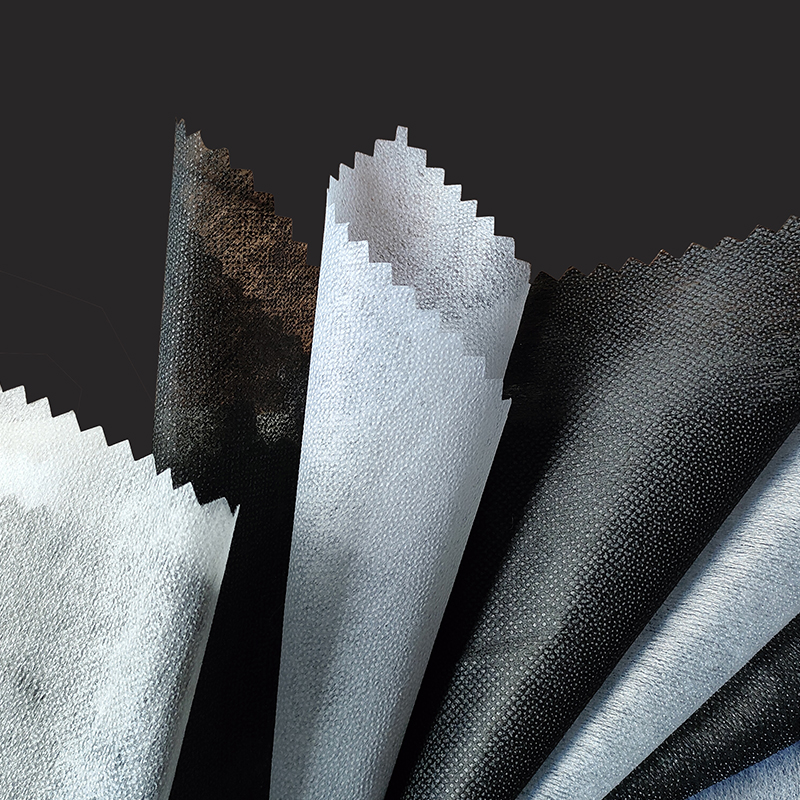
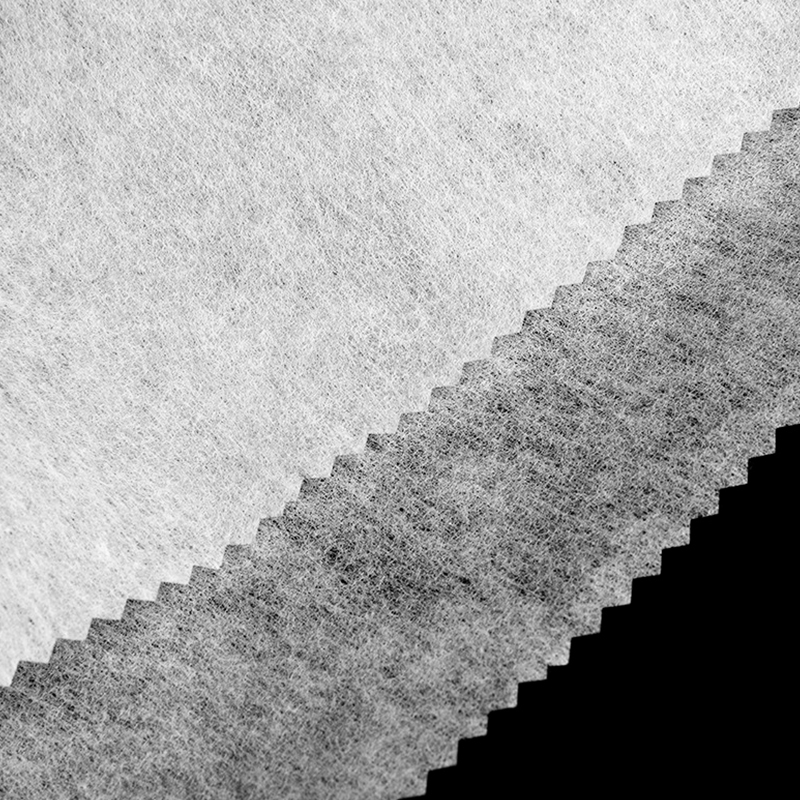
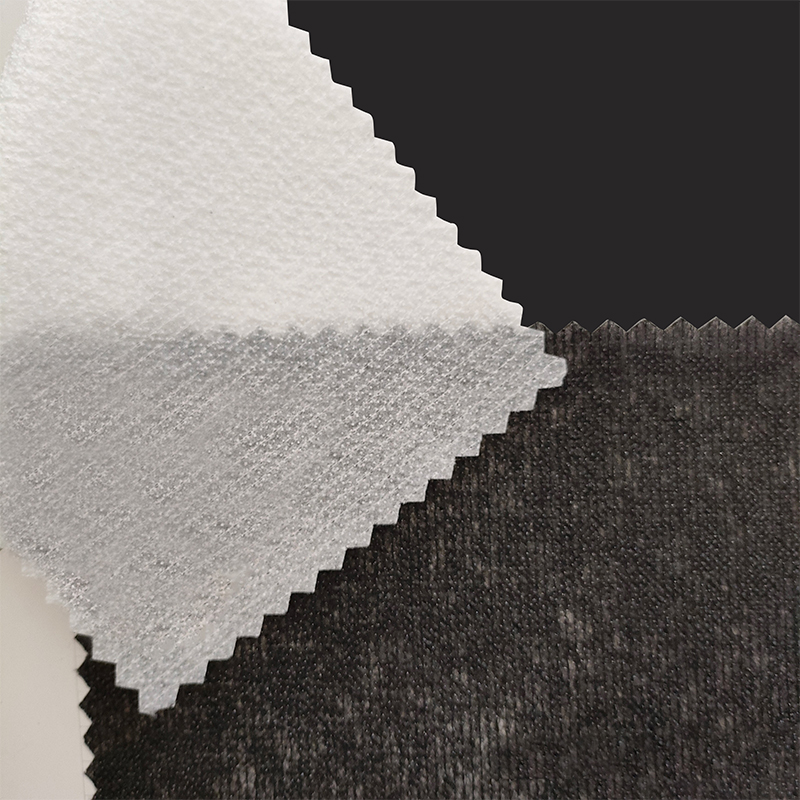
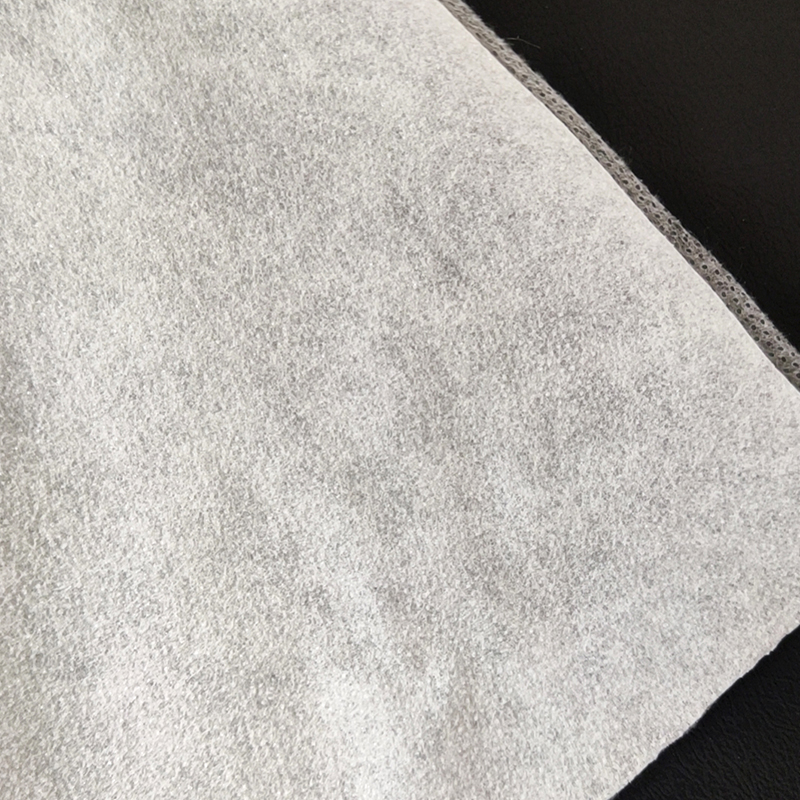
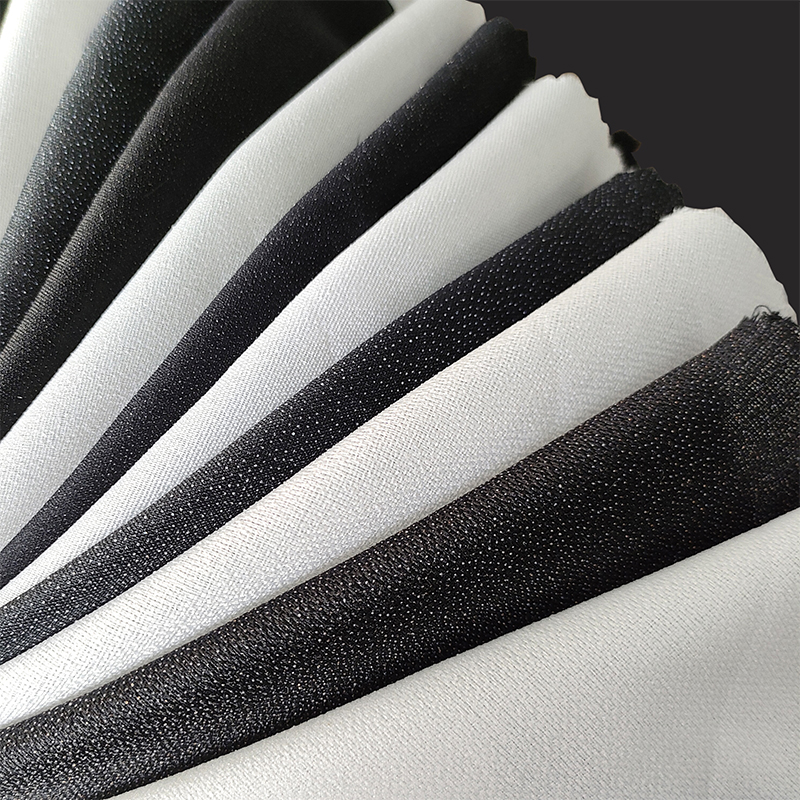
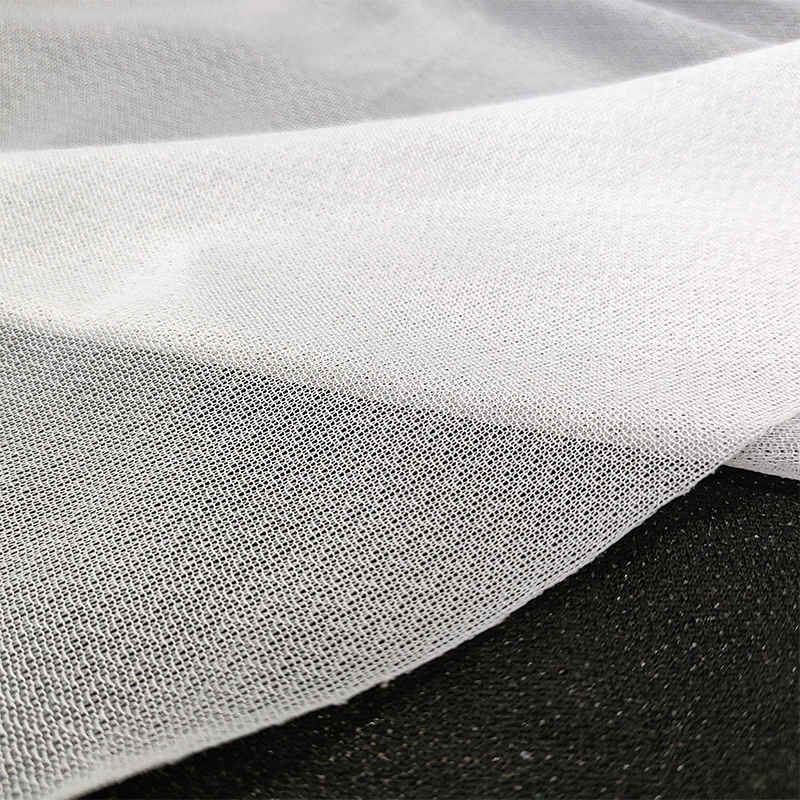
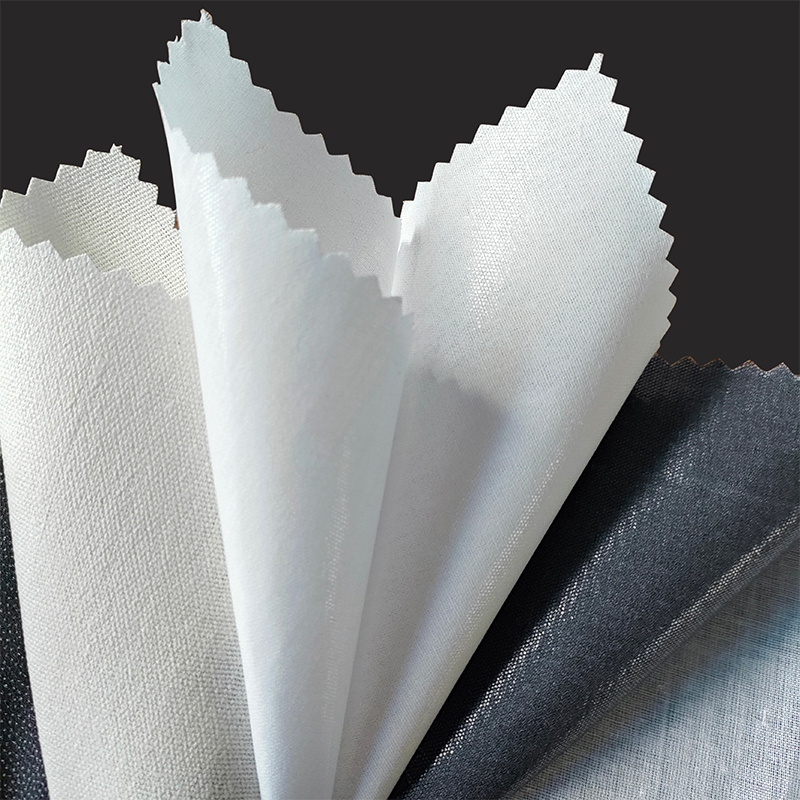
Interlining is a hidden layer of fabric placed between the outer fabric and any lining. It is distinct from interfacing (which is fused or sewn to a single layer to add stiffness) and from lining (which is the interior finishing layer). When sewing sequins, interlining serves four practical purposes that no amount of careful stitching alone can replace.
- Weight distribution: A 4-inch-wide band of densely applied sequins can add 80–120 grams per meter to a garment. Without interlining, that weight pulls exclusively on the base fabric threads, causing sagging and distortion within a season of wear.
- Thread anchorage: Interlining gives your sewing thread more material to grip. On sheer chiffon or organza, a backstitch through the sequin and fabric alone has very little holding power. Adding even a 30 gsm non-woven interlining increases stitch resistance to pull-out forces by a measurable degree.
- Surface stability: Stretchy knit fabrics — jersey, velvet, mesh — distort every time a needle passes through them. Interlining temporarily stabilizes the working area, keeping sequin placement accurate and rows straight.
- Comfort and protection: The raw backs of sequins are sharp enough to scratch skin. An interlining layer (combined with a lining sewn on top) creates a smooth interior that makes heavily embellished garments wearable for hours without irritation.
Choosing the Right Interlining Weight and Type
The interlining you choose should complement both the base fabric and the density of sequin coverage. The table below outlines common combinations used in professional dressmaking and costume work.
| Base Fabric | Sequin Density | Recommended Interlining | Application Method |
|---|---|---|---|
| Silk chiffon or organza | Scattered / light | 30–40 gsm non-woven fusible | Fuse with low heat + pressing cloth |
| Cotton lawn or batiste | Medium rows or motifs | 60 gsm woven cotton interlining | Baste-stitch to outer fabric before embellishing |
| Duchess satin or taffeta | Dense all-over coverage | 80–100 gsm woven polyester interlining | Baste to seam allowances only, no fusible |
| Stretch jersey or velvet | Any | Stretch non-woven interlining (knit-back fusible) | Fuse with steam; allow to cool before handling |
| Denim or canvas | Decorative patches or borders | Interlining optional; muslin underlining sufficient | Pin-baste muslin to wrong side of work area |
For couture-level work — wedding gowns, stage costumes, or heavily beaded bodices — professional seamstresses typically use a woven interlining such as Acro or Duvetyne basted by hand to the outer fabric along every seam line. This avoids the heat and chemical bonding of fusible options, which can stiffen fabrics unpleasantly and make hand-sewing through multiple layers more difficult.
Interlining vs. Interfacing: Keeping the Terms Straight
Many online tutorials use interfacing and interlining interchangeably, but in professional garment construction they are different things. Interfacing is applied to a single layer to add body or stiffness — think waistbands, collar stands, or buttonhole areas. Interlining is a full additional layer that runs the length of a fabric piece, sandwiched between the outer shell and any lining. When sewing sequins to fabric, what you usually need is interlining (or at minimum an underlining), not interfacing — unless you are working with a small, defined embellishment area on a structured garment piece.
Tools and Supplies You Need Before You Begin
Having the right tools reduces frustration significantly. A regular sewing needle is too thick for most sequin work and will leave visible holes or crack plastic sequins. Below is a practical checklist organized by function.
Needles
- Beading needles (size 10 or 12): Long, ultra-thin needles designed to pass through the small holes in sequins and seed beads without cracking them. Size 10 works for most sequins; size 12 is reserved for very tiny beads.
- Sharps (size 9 or 10): For heavier plastic paillettes or sequin trim where you are only passing through the fabric, not the sequin itself.
- Machine needle (size 80/12 or 90/14): For sewing sequin trim or sequin fabric through the machine. Use a universal or microtex needle and reduce speed significantly.
Thread
- Polyester beading thread or nylon thread (e.g., Nymo size D): Much stronger than regular sewing thread and resists fraying when pulled repeatedly through sequin holes. A single strand of Nymo D has a tensile strength roughly three times that of standard 50-weight cotton thread.
- Transparent monofilament thread: Useful for machine-sewing sequin trim when you want invisible attachment. Use in the top and bobbin for best results.
- Matching polyester thread: For hand-sewing when thread color should blend with sequin color rather than disappear entirely.
Other Essentials
- Embroidery hoop or tambour frame (10–12 inch) to keep fabric taut during hand work
- Water-soluble marking pen or tailor's chalk for drawing placement guides
- Beeswax or thread conditioner to reduce tangling and strengthen thread
- Small scissors with fine points for trimming threads close to the fabric surface
- Sequin picking tool or tweezers for repositioning individual pieces
- Pressing cloth and low-heat iron (for fusing interlining — never press sequins directly)
Preparing the Fabric and Interlining Layer
Preparation takes longer than the actual sewing for most sequin projects, and shortcuts here tend to cause problems that are very difficult to fix once sequins are attached. Follow these steps in order.
Pre-wash and Press the Base Fabric
Pre-wash natural fiber fabrics (cotton, silk, linen, wool) before attaching any embellishment. A cotton lawn that has not been pre-washed can shrink by 3–5% in the first wash, which will pull sequin rows into ripples and potentially tear threads. Dry the fabric and press it smooth before cutting. Synthetic fabrics like polyester satin generally do not require pre-washing, but pressing is still important to remove any fold creases that would distort sequin placement.
Cut and Apply the Interlining
Cut the interlining to the same size and grain as your fabric piece. If using a fusible non-woven interlining, place it adhesive-side down on the wrong side of the fabric, cover with a damp pressing cloth, and press firmly for 8–10 seconds per section without sliding the iron. Allow to cool completely — at least 2 minutes — before moving the fabric or it will separate.
If using a sew-in interlining (recommended for structured garments and couture work), lay the interlining against the wrong side of the fabric and baste the two layers together with long diagonal stitches at 1-inch intervals. Professional dressmakers refer to this diagonal basting as "pad stitching the interlining", and it is the gold standard for stability because it never introduces heat or chemicals into the fabric. Stitch around the perimeter as well, about 3 mm inside the seam allowance, to prevent the layers from shifting.
Mark the Sequin Placement
Use a water-soluble pen or fine chalk to mark rows, motif outlines, or individual placement points on the right side of the prepared fabric. For evenly spaced rows, a quilting ruler and hera marker give crisp, accurate lines. For irregular motifs, print or trace a template onto tissue paper, pin it to the fabric surface, and stitch over the lines through both the tissue and the fabric — tear the tissue away afterward.
Mount the prepared and marked fabric in an embroidery hoop, keeping moderate tension — the fabric should be taut but not distorted. Check that the grain runs straight across the hoop before tightening. Working in a hoop rather than flat on a table reduces stitch distortion by keeping both hands free and maintaining consistent fabric tension across the entire work area.
How to Sew Individual Sequins by Hand
Hand-sewing gives you the most control over placement and is the correct approach for scattered designs, motifs, and anywhere sequins are too close together for a machine to navigate. There are four main hand stitches used in professional sequin work, each suited to a different effect.
The Bead-Lock Stitch (for center-hole sequins)
- Thread a beading needle with about 18 inches of waxed Nymo thread. Knot the end with a double knot.
- Bring the needle up through the fabric from back to front at the sequin placement point.
- Thread the sequin onto the needle, then add a seed bead on top of the sequin.
- Pass the needle back down through the sequin hole only — the bead is too wide to follow and acts as a "lock."
- Pull the thread firmly so the bead sits flat in the center of the sequin. The sequin is now anchored.
- On the back of the fabric (now through the interlining as well), take one small backstitch to lock the thread before moving to the next sequin.
This method is nearly impossible to accidentally pull loose because removing the sequin requires passing the bead back through the hole — which it cannot do. It is the standard method for high-end embroidery workshops and couture ateliers worldwide.
The Double-Stitch Method (for flat sequins without beads)
- Bring the needle up through the fabric and sequin hole from below.
- Pass the needle back down through the fabric at the right edge of the sequin (3 o'clock position).
- Bring the needle back up through the sequin hole again.
- Pass the needle down at the left edge of the sequin (9 o'clock position).
- Pull both stitches snug. The thread forms a cross or bar across the sequin hole, holding it flat.
This method is faster than the bead-lock stitch and produces a neat appearance. It works best for larger flat sequins (10 mm and above) and for designs where a bead would change the visual character of the piece.
The Couching / Backstitch Row Method (for overlapping rows)
This is the fastest hand method for filling an area with sequins in tight rows, similar to how you would see dense sequin coverage on a costume bodice or handbag.
- Thread your needle and bring it up at the start of your marked row.
- Thread on the first sequin. Take a backstitch the width of the sequin — bring the needle down one sequin-width forward, then back up at the starting hole of the next sequin position.
- Slide the second sequin down the thread and over the stitch so it overlaps the first.
- Continue along the row. Each sequin hides the stitch holding the one before it.
- At the end of the row, take two small backstitches through the interlining to secure the thread before cutting.
An experienced embroiderer can apply approximately 50–70 sequins per hour using this method, making it practical for moderate coverage areas without a machine. For very dense full-garment coverage, machine application or pre-made sequin fabric is more efficient.
The Scatter Stitch (for random or artistic placement)
For a deliberately organic, scattered look — often used on evening wraps, sheer blouses, or decorative cushions — sequins are applied at random angles. Apply each one with the double-stitch method but vary the orientation so the stitches radiate in different directions. Space them far enough apart that the interlining is visible between pieces but close enough to create a cohesive shimmer. There is no defined row structure; the goal is an impression of movement and light rather than geometric coverage.
How to Sew Sequin Trim by Machine
Machine-sewing is used when you are applying a continuous strip of sequin trim (pre-attached sequins on a thread or ribbon base) rather than individual loose sequins. This is common for necklines, hems, cuffs, and decorative borders. It is faster than hand-sewing but requires careful preparation to avoid breaking needles and skipping stitches.
Setting Up the Machine
- Replace the standard presser foot with a cording or zipper foot. This allows the foot to ride alongside the sequin trim rather than trying to flatten the sequins, which causes skipped stitches and broken needles.
- Select a straight stitch, length 3.0–3.5 mm. A longer stitch reduces the number of times the needle passes near sequins and therefore reduces needle breakage.
- Load transparent monofilament in the top and use matching polyester thread in the bobbin. Reduce upper thread tension by 1–2 steps from your normal setting.
- Reduce sewing speed to approximately 40–50% of normal. High speed combined with hard sequin surfaces is the leading cause of broken needles in sequin work.
The Application Process
- Pin or baste the sequin trim in position on the prepared (interlining-backed) fabric. For curved areas, clip the base ribbon of the trim at 1-cm intervals so it lies flat without bunching.
- Before sewing, manually push any sequins away from the starting point using your fingernail or a seam ripper so the needle starts on bare ribbon or thread base.
- Stitch along both edges of the trim sequentially — first one side, then the other — rather than zigzagging between edges. This prevents the trim from being pulled unevenly.
- As you sew, continuously slide sequins away from the needle using the thumb and forefinger of your non-dominant hand. Sewing directly through a sequin will either crack the sequin, break the needle, or jam the machine — all three are recoverable but time-consuming.
- At the end of each stitching line, secure with a backstitch of 3–4 stitches rather than relying on a knot, since knots can work loose under the stress of repeated wear.
Sewing Sequin Fabric (Not Just Trim)
When sewing seams in sequin fabric — for example, constructing a full sequin skirt — remove the sequins from the seam allowance before sewing. Use fine-pointed scissors or a seam ripper to carefully cut the thread holding sequins in the 1.5 cm seam allowance on each side, then remove those sequins. This prevents the sequin layer from creating a hard, bulky ridge inside the seam, and it also means you are only sewing through the mesh backing, which the machine handles easily. Failing to clear the seam allowance is the most common error beginners make when constructing garments from sequin fabric, and it results in seams that are lumpy, difficult to press flat, and prone to pulling apart under stress.
Interlining Considerations for Specific Project Types
The role of interlining shifts depending on what you are making. Below are specific notes for the most common sequin sewing projects.
Evening Gowns and Formal Bodices
A structured bodice almost always requires both interlining and boning. The interlining (typically 80–100 gsm woven polyester) should be basted to the outer fabric before any embellishment is applied, and the boning channels should be sewn through the interlining layer. This creates a stable structural base that prevents the sequin embroidery from distorting when the bodice is worn and stressed. A matching silk or polyester lining is then sewn over the inside to cover the interlining and the backs of the sequins.
Children's Costumes and Dancewear
Children's costumes are worn hard and washed frequently, so both the interlining and the stitching method need to be robust. Use a knit-back fusible interlining for stretch fabrics and reinforce every sequin stitch with a knot every 5–6 pieces rather than running a continuous thread. A single broken thread in a continuous strand can cause 20 or 30 sequins to fall off simultaneously; stopping to knot more frequently contains any damage to a small area. For machine-applied trim on dancewear, sew two parallel lines of stitching along each edge of the trim.
Home Textiles: Cushions, Table Runners, and Curtain Panels
Home textiles do not need to flex or drape the way garments do, so a heavier, stiffer interlining is acceptable and actually improves the final appearance. A 120 gsm woven cotton interlining behind a sequin-embellished cushion front will make the finished panel lay flat and maintain the geometry of the design for years. Because home textiles are rarely dry-cleaned, use a sew-in rather than fusible interlining wherever possible, since fusible bonds can delaminate in humid environments over time.
Bags and Accessories
For bags, interlining is augmented by bag interfacing — typically a thick foam or woven fusible that gives the bag structure. Apply the bag interfacing first, then add a lighter interlining layer if the outer fabric is delicate, and apply sequins on top of both. The combined layers distribute any stress from the bag's contents evenly, preventing individual sequins from being torn free when the bag is loaded.
Troubleshooting Common Problems
Even experienced sewers encounter problems with sequin work. Here are the most frequent issues and their causes and solutions.
| Problem | Likely Cause | Solution |
|---|---|---|
| Fabric puckering under sequin rows | No interlining; thread pulled too tight | Add interlining before next section; ease thread tension |
| Sequins falling off after washing | Thread not knotted at intervals; wrong thread type | Use Nymo or polyester beading thread; knot every 6–8 sequins |
| Broken machine needles | Sewing directly over sequins at high speed | Slow down; use zipper foot; manually clear sequins from needle path |
| Uneven rows or wobbly spacing | No placement guidelines marked; fabric not in hoop | Mark rows with chalk or water-soluble pen; use embroidery hoop |
| Scratching or discomfort when worn | No lining over the back of sequin layer | Add a full lining over the interlining; use smooth polyester or silk |
| Cracked or discolored sequins after ironing | Direct heat applied to plastic or foil sequins | Never press sequins directly; use pressing cloth and iron wrong side only; avoid iron entirely on heat-sensitive sequins |
Caring for Sequined Fabric After Sewing
Proper care extends the life of any sequin project significantly. The specific washing approach depends on the sequin material, the thread used, and whether the base fabric has an interlining.
Hand Washing
Most sequined garments can be gently hand washed in cool water (under 30°C) using a mild detergent. Turn the item inside out before submerging, and do not wring or twist the fabric. Press water out gently, then lay the item flat on a dry towel, reshape it, and allow it to air dry away from direct sunlight. UV exposure yellows many plastic sequins and fades dyed metallic finishes within weeks of repeated exposure.
Machine Washing
Most couture or hand-embroidered sequin garments should not be machine washed — the agitation stresses individual stitch anchors and causes sequins to catch on each other or the drum interior. If machine washing is unavoidable, place the item in a zip mesh laundry bag, select the most delicate cycle available (hand wash or delicate program at 30°C maximum), and use a spin cycle of no more than 400 rpm. Pieces sewn with fusible interlining are particularly vulnerable in machine washing because repeated water and heat can loosen the bond between the interlining and the outer fabric.
Dry Cleaning
Dry cleaning is the safest option for heavily embellished garments, particularly those with dense sequin coverage or multiple layers (outer fabric, interlining, lining, and sequins). When taking a sequined item to a dry cleaner, specify that it contains plastic or foil sequins — some dry cleaning solvents degrade certain plastic types or strip metallic coatings. A reputable dry cleaner will note this and use a gentler solvent where appropriate.
Storage
Store sequined items folded with acid-free tissue paper between layers rather than hanging. Hanging a heavily embellished garment can cause the weight of the sequins to gradually stretch the shoulder seams and distort the garment's shape. For long-term storage, a breathable cotton garment bag in a cool, dark cupboard is preferable to a sealed plastic bag, which can trap moisture and promote mildew under the interlining.
Advanced Techniques: Tambour Beading and Luneville Hook Work
Once you are comfortable with basic hand-sewing methods, tambour beading is the professional upgrade. It is the technique used in haute couture houses like Lesage, Dior, and Valentino for densely embellished garments, and it works by pulling loops of thread through the fabric from below using a fine hooked needle (the Luneville hook or tambour hook) rather than passing a needle up and down.
In tambour work, the fabric is always mounted on a tambour frame (a large, drum-like hoop) and the embroiderer works from the right side of the fabric looking down, while sequins and beads sit on the underside of the frame. The hook catches a loop of thread and pulls it through the fabric between sequins, creating a chain stitch that locks each sequin in place with extraordinary speed. A skilled tambour embroiderer can apply 200 or more sequins per hour — roughly three to four times faster than conventional hand-sewing methods.
The interlining layer is critical in tambour work: the fabric must be stable enough that the hook can penetrate it consistently without snagging or distorting the weave. Tambour embroidery is almost always worked on organza or silk georgette backed with a soft woven cotton interlining, which provides enough body for the hook to work smoothly while keeping the overall fabric lightweight and draped.
Learning tambour beading requires practice with the hook's distinctive motion — a twist-and-pull rather than a simple pull — but once mastered, it opens up the possibility of achieving couture-quality sequin coverage at a fraction of the time that conventional methods require.