 English
 Español
 Türk
TürkContent
- 1 What Is Fusible Interlining and How Do You Use It?
- 2 Types of Fusible Interlining and When to Use Each
- 3 Step-by-Step: How to Apply Fusible Interlining Correctly
- 4 Common Mistakes When Using Fusible Interlining
- 5 Where to Use Fusible Interlining in Garments
- 6 How to Choose the Right Fusible Interlining for Your Fabric
- 7 Fusible Interlining vs. Sew-In Interlining: When to Use Which
- 8 Troubleshooting Fusible Interlining Problems
- 9 Professional Tips for Better Results with Fusible Interlining
What Is Fusible Interlining and How Do You Use It?
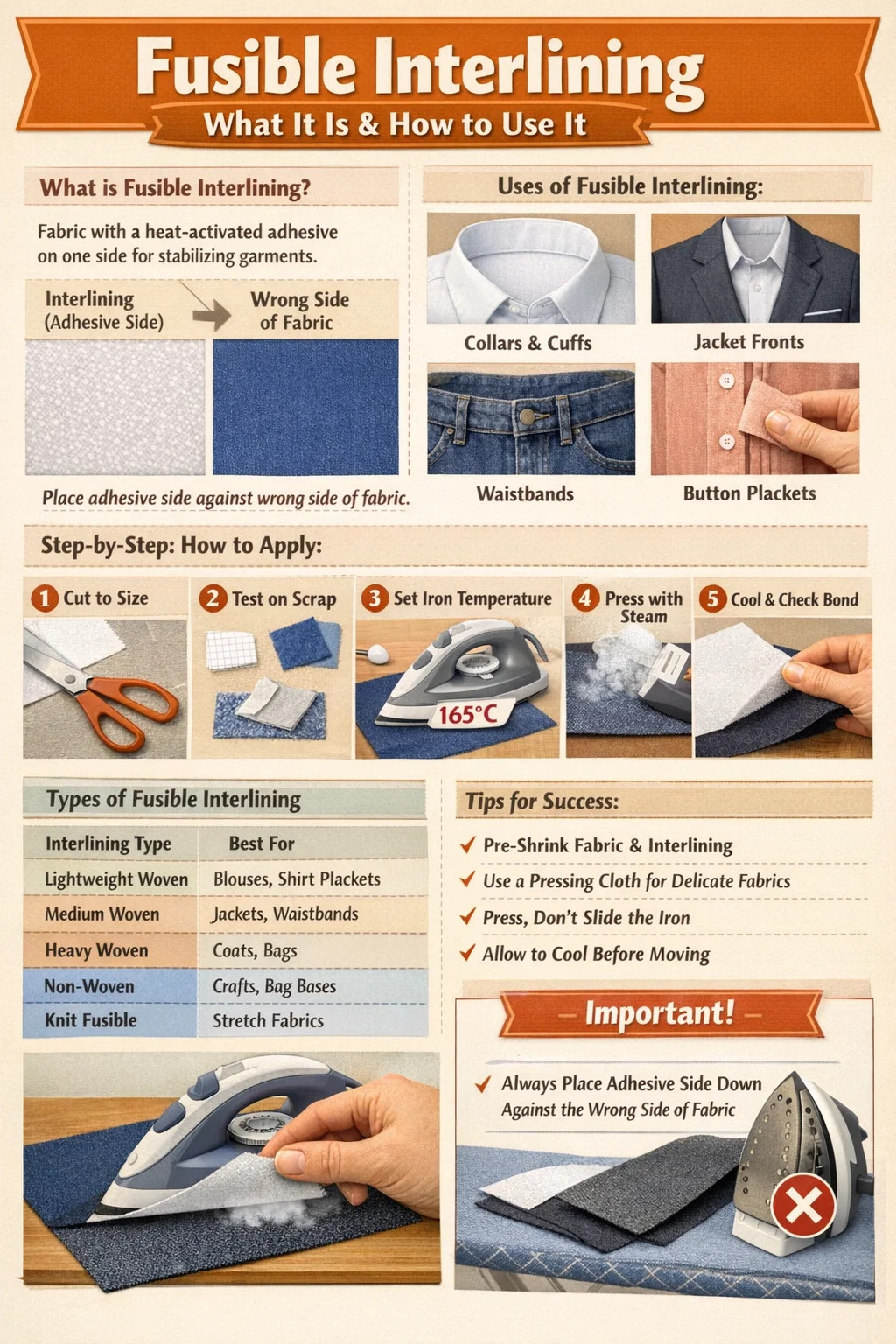
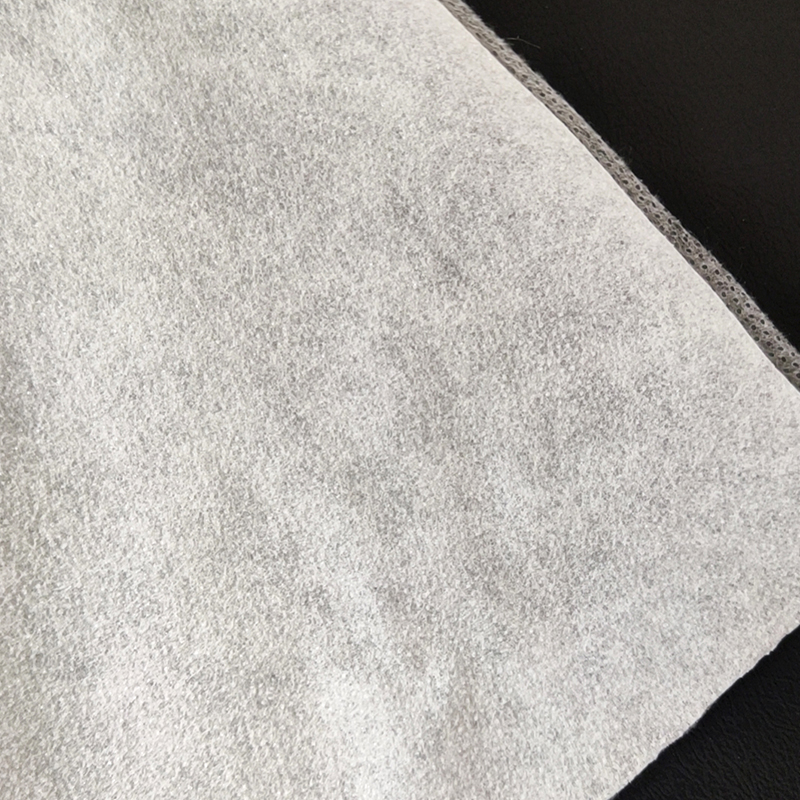
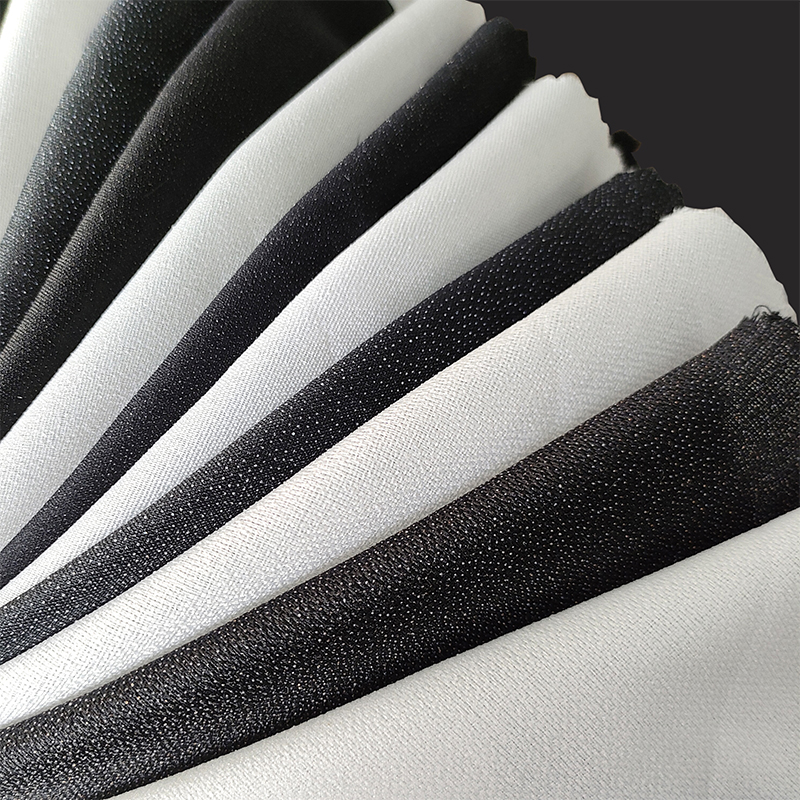
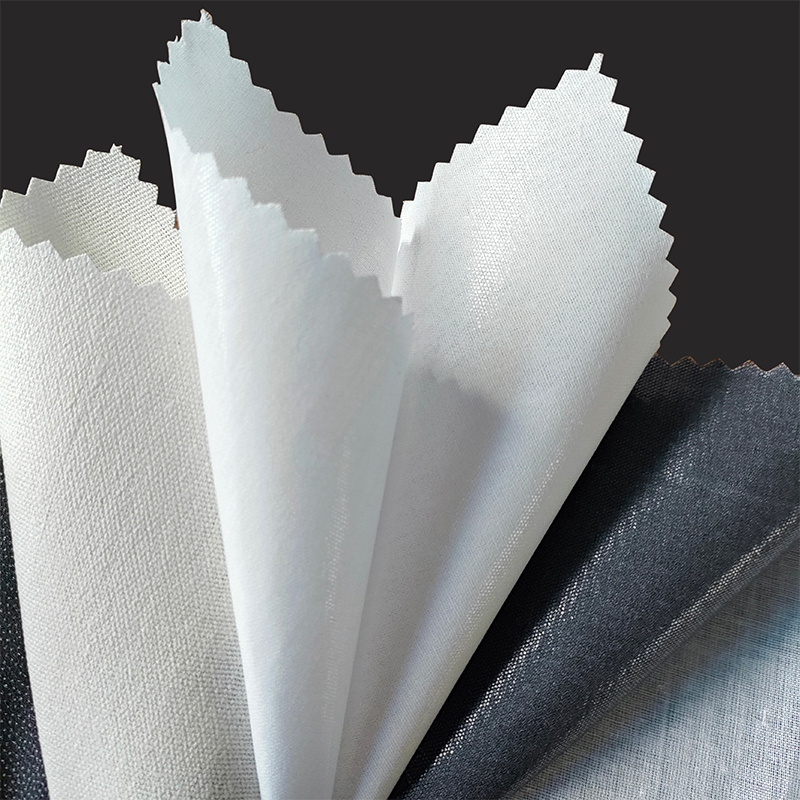
Fusible interlining is a fabric stabilizer with a heat-activated adhesive coating on one side. You use it by placing the adhesive side against the wrong side of your fabric, then applying a hot iron with steam to bond the two layers together permanently. The result is a stiffer, more structured fabric panel that holds its shape through wear and washing. This process takes under two minutes per panel and is the most reliable way to add body to collars, cuffs, waistbands, plackets, and jacket fronts without hand stitching or sewing an additional layer.
The adhesive side of fusible interlining always faces the wrong side of the fabric — this is the single most important rule. Getting this backward means the interlining bonds to your iron plate or ironing board cover instead of your fabric, which ruins both the interlining and potentially the iron.
Interlining in general refers to any material placed between the outer fabric and lining to add structure, warmth, or stability. Fusible interlining specifically uses thermoplastic resin dots or a continuous adhesive web that melts under heat and re-solidifies as it cools, creating a permanent bond. Non-fusible interlining, by contrast, must be catch-stitched or basted to the fabric by hand. For most home sewers and small garment manufacturers, fusible interlining saves significant time without sacrificing quality when used correctly.
Types of Fusible Interlining and When to Use Each
Not all fusible interlining is interchangeable. The weight, weave structure, and fiber content of the interlining must match the outer fabric or the finished garment will look and feel wrong. Using a heavyweight woven fusible on a silk blouse, for example, will create a stiff, papery panel that distorts the fabric's drape entirely.
| Interlining Type | Best For | Fabric Match | Iron Temp |
|---|---|---|---|
| Lightweight woven fusible | Blouse collars, shirt plackets | Cotton, lightweight linen | 150–160°C |
| Medium woven fusible | Jacket fronts, waistbands | Wool, medium-weight cotton | 160–170°C |
| Heavyweight woven fusible | Coat fronts, structured bags | Heavy wool, canvas | 170–180°C |
| Non-woven fusible | Craft projects, bag bases | Cotton, denim | 150–165°C |
| Knit fusible (tricot) | Stretch garments, knit facings | Jersey, ponte, stretch wovens | 140–155°C |
| Silk organza fusible | Silk and delicate fabric support | Silk, chiffon, fine linen | 130–145°C |
Woven vs. Non-Woven Fusible Interlining
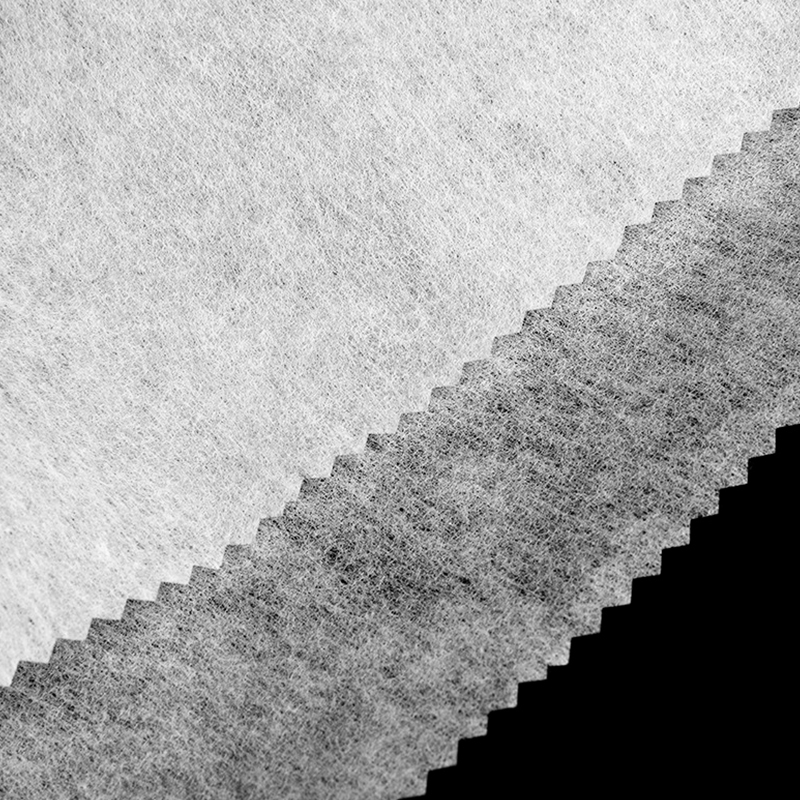
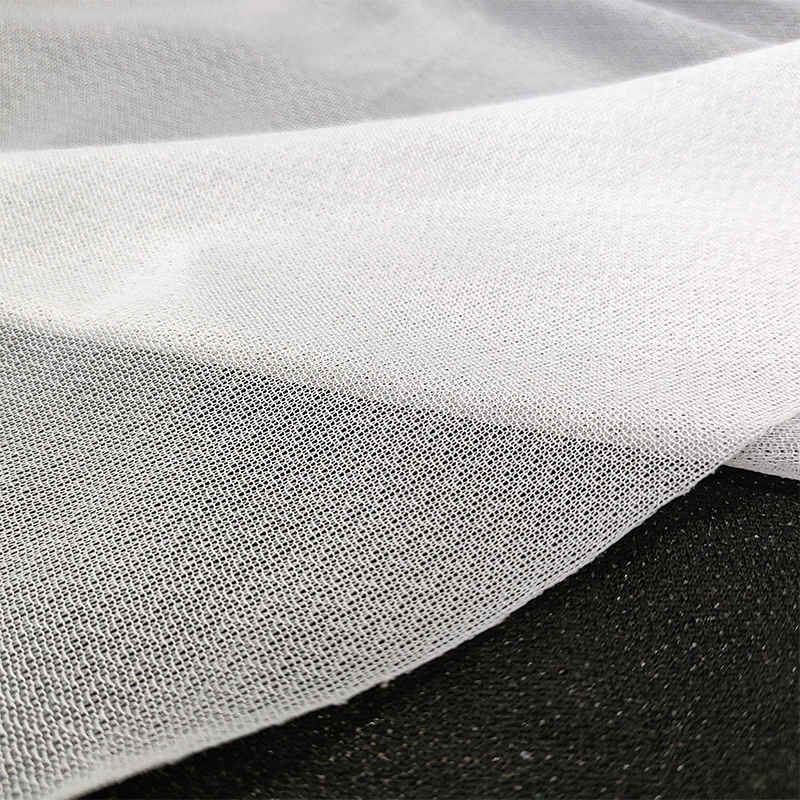
Woven fusible interlining has a grain line, just like regular fabric. This matters because if you cut it off-grain, the finished panel may pull or distort. Always cut woven interlining so its grain matches the grain of the fashion fabric. Non-woven fusible interlining has no grain, so it can be cut in any direction — useful when you're trying to minimize waste. However, non-woven types tend to feel stiffer and are more prone to bubbling at the edges over time compared to woven varieties.
Knit Fusible for Stretch Fabrics
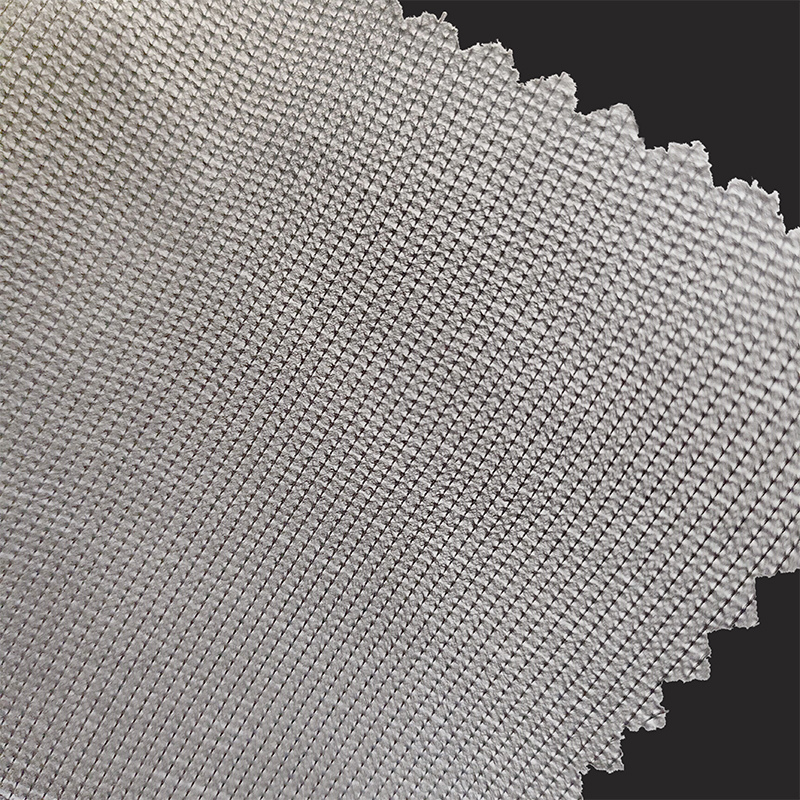
Tricot knit fusible interlining is specifically engineered for stretch fabric. It stretches in one or both directions, so it doesn't restrict the fabric's natural elasticity. If you apply a woven or non-woven fusible to a stretch fabric, the interlining will not stretch with it, causing the fabric to pucker, break the adhesive bond, or pull uncomfortably during wear. For any garment made from jersey, ponte, or similar knit fabrics, always reach for knit fusible interlining.
Step-by-Step: How to Apply Fusible Interlining Correctly
Applying fusible interlining correctly the first time saves both fabric and frustration. A failed bond — one that bubbles, peels, or leaves the interlining partially detached — usually comes from incorrect temperature, insufficient pressure, or moving the iron instead of pressing it. Follow this sequence every time.
- Cut both pieces to size. Cut the interlining to match the fabric piece you're stabilizing. For most garment applications, cut the interlining slightly smaller than the fabric piece — about 3mm inside the seam allowance — so that no interlining gets caught in the seams, which can create bulk and make pressing seams open more difficult.
- Test on a scrap first. Cut a small piece of both your fashion fabric and the interlining. Fuse them together and let the test piece cool completely before evaluating the bond. Check that the adhesive has penetrated fully, that the fabric hasn't been scorched, and that the surface texture of the fabric looks unchanged.
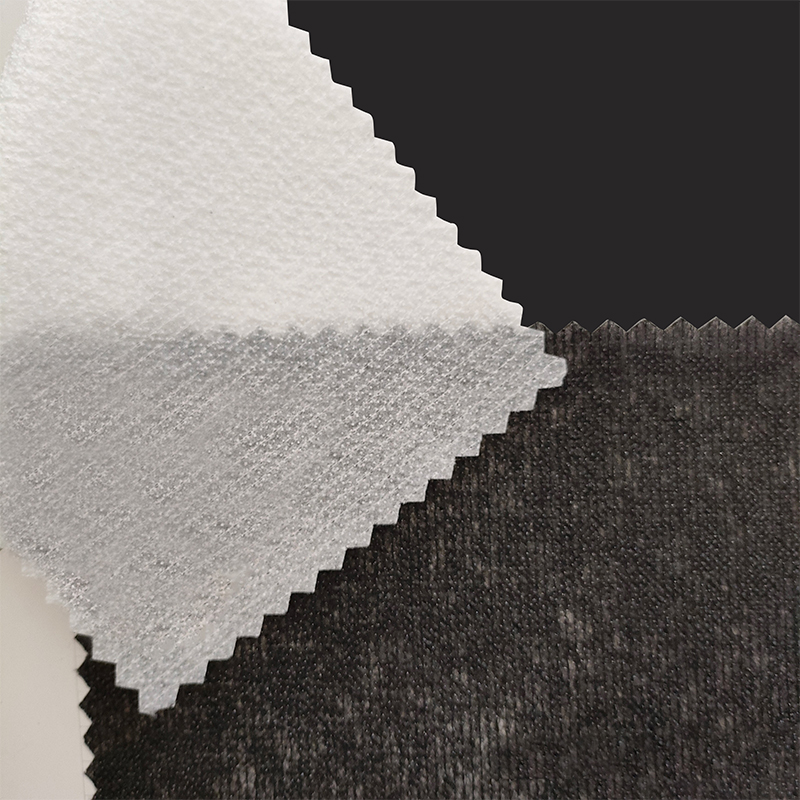
- Identify the adhesive side. The adhesive side of fusible interlining looks slightly rough or textured, and may appear dotted or webbed. It often feels slightly tacky when warm. If you're unsure, touch it lightly with a warm iron — the adhesive side will stick briefly to the iron plate. Place this side face-down against the wrong side of the fashion fabric.
- Set the iron to the correct temperature. Use the fabric manufacturer's recommended temperature as your upper limit, then adjust within the interlining manufacturer's range. For most cotton fabrics with medium fusible interlining, a temperature between 150°C and 165°C works well. Steam is usually beneficial — it helps the adhesive penetrate the fabric fibers more deeply.
- Press, don't slide. Place the iron firmly on one section of the interlining and press down with steady, even pressure for 10 to 15 seconds. Lift the iron, move it to an adjacent section, and press again. Overlapping your pressing sections slightly ensures complete coverage. Sliding the iron shifts the interlining out of position before the adhesive has set.
- Use a pressing cloth for delicate fabrics. Place a damp pressing cloth between the iron and the fabric when working with wool, silk, or any fabric that can scorch, develop shine, or flatten its texture from direct heat. The moisture from the cloth also helps activate the adhesive more effectively.
- Allow to cool completely before moving. After pressing, leave the fabric flat and undisturbed for at least 60 seconds. The thermoplastic adhesive needs to re-solidify as it cools to form a strong bond. Picking up or folding the fabric while it's still warm can cause the interlining to shift or partially de-bond.
- Check the bond. Once cool, try to peel a corner of the interlining away from the fabric. It should not lift at all without tearing the fabric fibers. If it peels easily, re-press with more heat, more pressure, or more time — or all three.
Common Mistakes When Using Fusible Interlining
Most problems with fusible interlining come from one of a handful of predictable errors. Knowing them in advance makes it easy to avoid them entirely.
Applying Too Much Heat to Synthetic Fabrics
Polyester and acetate fabrics melt or develop a shiny iron mark at temperatures above 140°C. Most standard fusible interlinings bond at 150°C or higher. This creates a conflict: the interlining needs higher heat than the fabric can tolerate. The solution is to use a low-temperature fusible interlining specifically designed for synthetics, which bonds at 120–135°C, well within the safe range for most polyester fabrics.
Skipping the Pre-Shrink Step
Both the fashion fabric and the interlining can shrink when washed if they haven't been pre-shrunk. If the interlining shrinks more than the outer fabric — or at a different rate — the fused panel will bubble, wrinkle, or warp after the first wash. Pre-shrink both layers by washing and drying them before cutting and fusing. For interlining you're reluctant to wet, hold it over a steaming iron without touching it, let the steam penetrate the fibers, and allow it to cool flat.
Using the Wrong Interlining Weight
A collar made from lightweight cotton shirting fused with heavy interfacing will feel like cardboard. The rule of thumb is that the interlining should feel lighter than the fashion fabric when held alone. The combination of both layers should produce the desired stiffness — not the interlining alone. If a single layer of interlining already feels stiffer than your target finish, it's too heavy.
Ironing Instead of Pressing
Sliding the iron back and forth across the interlining — the way you'd iron a shirt — moves the interlining out of position and creates uneven adhesion. Sections of the interlining that were dragged across may be under-bonded, while other areas where the iron paused briefly may be over-pressed. Always use a firm press-and-lift motion.
Catching Interlining in the Seam
When interlining extends all the way to the cut edge of a fabric piece and that edge gets sewn into a seam, the interlining adds bulk and prevents the seam from pressing open neatly. In tailoring, interlining is trimmed back from seam allowances entirely. In home sewing, cutting the interlining 3–6mm smaller than the fabric piece on all sides achieves the same effect with less precision required.
Where to Use Fusible Interlining in Garments
Interlining is used strategically in specific areas of a garment rather than throughout the entire piece. The goal is to add structure only where the design requires it, preserving the drape and softness of unlined areas.
Collars and Cuffs
Collars and cuffs are the most common applications for fusible interlining in shirts and blouses. The outer collar piece (the one that faces outward when the collar is folded) receives interlining on its wrong side. For a crisp, professional finish, use a woven fusible interlining cut on the same grain as the collar piece. A men's dress shirt collar typically uses a medium-weight woven fusible to achieve a firm, self-supporting shape that doesn't collapse under a tie.
Jacket and Coat Fronts
In tailored jackets and coats, the front facing and often a large portion of the jacket front receives interlining to give the garment body and help it maintain its shape over years of wear. In high-end tailoring, a combination of fusible and sew-in interlining is used — fusible for the facing and sew-in canvas for the jacket front itself, which allows the canvas to mold to the body over time in a way that fusible interlining cannot replicate.
Waistbands
Trouser and skirt waistbands need to be firm enough to hold their shape under a belt and through a full day of wear. Fusible interlining applied to the waistband fabric prevents rolling, sagging, and distortion. A pre-cut waistband interlining product — sold in strips of the exact width needed for standard waistbands — simplifies this step significantly and ensures consistent results.
Button Plackets and Button Bands
The area of a shirt or jacket front where buttons and buttonholes are placed needs extra strength. The repeated stress of buttoning and unbuttoning, combined with the structural role of buttons in holding the garment closed, means the fabric here must not stretch or distort. A strip of lightweight fusible interlining behind the placket area provides this reinforcement without adding visible bulk.
Pockets and Pocket Openings
Welt pocket openings and jetted pocket openings on jackets and trousers are reinforced with a small rectangle of fusible interlining before the pocket opening is cut. This prevents the fabric from fraying or stretching around the opening. The interlining is typically cut about 2cm wider and 2cm taller than the finished pocket opening dimensions.
Bag Making and Home Décor
Fusible interlining is used extensively in bag making to give cotton and canvas bags structure without sewing additional layers. A tote bag made from quilting cotton with heavy fusible interlining on all exterior panels will hold its shape and stand upright when set down — without interlining, the same bag collapses. For home décor, interlining behind curtain fabric prevents light from showing through thin fabrics and adds weight to help curtains hang straight.
How to Choose the Right Fusible Interlining for Your Fabric
The selection process comes down to three factors: weight, structure, and fiber compatibility. Getting all three right means the interlining becomes invisible in the finished garment — you feel the structure it adds without being aware of the interlining itself.
- Weight: Hold a sample of your fashion fabric and a sample of the interlining together. The combined weight and stiffness should match your target finish. If the combination is too stiff, try a lighter interlining. If it's too soft, go heavier.
- Structure: Woven interlining for most woven fabrics. Knit interlining for any fabric with stretch. Non-woven interlining for crafts and projects where grain alignment is not critical.
- Fiber compatibility: Match the care requirements of the interlining to your fashion fabric. If your fabric is dry-clean only, use an interlining rated for dry cleaning. If you're making a washable garment, confirm the interlining is rated for repeated machine washing — some fusible adhesives degrade after repeated wash cycles.
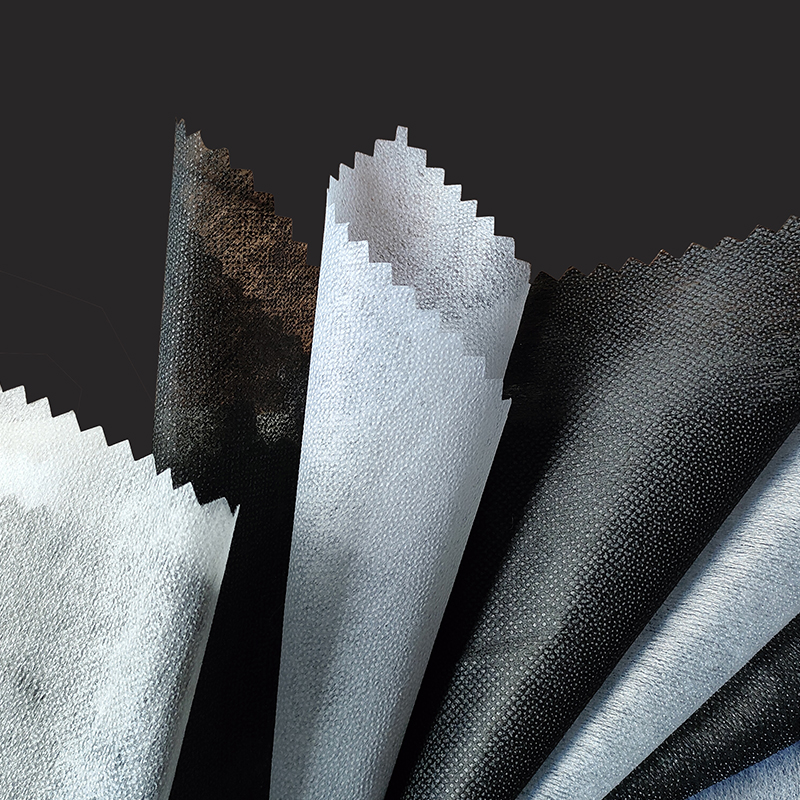
- Color: Interlining is typically white, charcoal, or black. Use white interlining under light fabrics and dark interlining under dark fabrics. Using white interlining under black fabric can create a visible shadow through the outer layer, especially in strong lighting.
- Application temperature: Confirm the interlining's recommended bonding temperature falls within the safe ironing range for your fashion fabric. If these ranges don't overlap, choose a different interlining.
Fusible Interlining vs. Sew-In Interlining: When to Use Which
Sew-in interlining (also called non-fusible interlining or canvas) is attached to the fashion fabric by hand using catch stitches that catch only a thread or two of the fashion fabric — making them invisible from the right side. It is used when the adhesive from fusible interlining would compromise the fabric, when the garment requires the interlining to move independently of the fashion fabric, or when a very high level of durability over many years is required.
| Factor | Fusible Interlining | Sew-In Interlining |
|---|---|---|
| Application time | Fast (minutes) | Slow (hours for a jacket) |
| Skill required | Low to medium | High (hand sewing skill) |
| Suitable for delicate fabrics | Sometimes (low-temp types) | Yes, always |
| Longevity | Good (may degrade over years) | Excellent (decades) |
| Body molding ability | Fixed once fused | Molds to wearer over time |
| Best application | Home sewing, production work | Bespoke tailoring, couture |
For the vast majority of garment sewing projects — shirts, blouses, casual jackets, skirts, trousers, bags, and home décor — fusible interlining is the right choice. It's faster, consistent, and performs extremely well through normal wear and washing cycles. Sew-in interlining is worth the extra time investment only for bespoke tailoring projects where the garment is expected to last 20 or more years, or when working with fabrics so delicate that no safe bonding temperature can be achieved.
Troubleshooting Fusible Interlining Problems
The Interlining Is Bubbling or Lifting at the Edges
Edge bubbling usually means the adhesive at the perimeter didn't reach full bonding temperature. Re-press the edges with a slightly higher iron temperature or more pressure. If the bubbling appears after washing, the adhesive has degraded — either from repeated washing, an incompatible detergent, or a fabric that wasn't fully pre-shrunk before fusing.
The Fabric Surface Has Changed Texture or Developed Shine
This is almost always from too much direct heat on the fabric surface. Use a pressing cloth for all future applications. For wool, a damp wool pressing cloth is particularly effective. If the shine has already developed on a finished piece, sometimes a damp pressing cloth held over the area and a brief burst of steam can reduce the sheen — but it rarely disappears entirely.
The Interlining Has Bonded to the Ironing Board Cover
This happens when the interlining is placed adhesive-side up by mistake, or when the interlining is larger than the fabric piece and the excess overhangs the fabric edge and contacts the ironing board. Always place the interlining so the adhesive faces only the fabric. If you're concerned about overhang, place a piece of silicone parchment paper or a Teflon pressing sheet between the interlining and the ironing board.
The Bond Feels Weak and the Interlining Peels Easily
A weak bond means the adhesive did not fully melt and penetrate the fabric fibers. This comes from insufficient heat, insufficient pressure, or insufficient dwell time (how long the iron sits on each section). Increase all three incrementally, testing on scraps each time. Each section should receive at least 10–15 seconds of firm, static pressure. For thick fabrics, 20 seconds per section may be necessary.
The Finished Panel Feels Stiff and Papery
The interlining is too heavy for the fabric. In some cases, this can be partially improved by re-pressing the fused panel from the fashion fabric side with a damp pressing cloth, which can slightly soften the adhesive bond and the hand of the interlining. For future projects, select a lighter weight interlining or test multiple weights on scraps before committing to the full panel.
Professional Tips for Better Results with Fusible Interlining
Experienced sewers and small garment manufacturers use a few additional techniques to consistently achieve better results with fusible interlining than the basic press-and-lift method alone.
- Fuse from both sides. After pressing the interlining onto the wrong side of the fabric, flip the fused panel over and press again from the fashion fabric side using a damp pressing cloth. This second press pushes the adhesive more deeply into the fabric fibers from the other direction, creating a stronger, more durable bond.
- Use a ham for curved pieces. Collars and other curved garment sections fused flat on an ironing board can distort when the interlining is applied, because the flat fusing doesn't account for the three-dimensional curve. Fuse curved pieces over a tailor's ham or a rolled towel to maintain the correct shape during bonding.
- Mark the interlining before fusing. Transfer all pattern markings — dart points, notches, buttonhole placement — to the interlining before fusing it to the fabric. Once the layers are bonded, markings can be difficult to transfer without damaging the fabric surface.
- Store interlining rolled, not folded. Folding fusible interlining creates permanent creases in the adhesive coating that will show up as lines in the finished garment. Store it rolled on a cardboard tube, adhesive side in, to prevent creasing and keep the adhesive from sticking to itself.
- Keep a silicone pressing sheet on hand. A Teflon or silicone pressing sheet placed over the interlining before pressing protects the iron plate from adhesive contamination if any interlining extends beyond the fabric edge. It's also useful when pressing fused panels from the right side.
- Buy from specialist fabric suppliers, not general craft stores. Interlining sold in small packets at general craft stores is often of inconsistent quality and limited in weight range. Specialist fabric suppliers offer a much wider selection and typically provide technical specifications — bonding temperature, fiber content, weight in grams per square meter — that allow you to make informed choices rather than guessing.
The difference between a collar that holds its shape after 50 washes and one that collapses after five usually comes down to interlining selection and application technique rather than the sewing itself. Investing a few minutes in testing and setup before fusing full garment pieces pays back in professional-looking results every time.