 English
 Español
 Türk
TürkContent
- 1 The Six Critical Factors That Determine Fabric Quality
- 2 How to Judge Fabric Quality by Hand and Visual Checks
- 3 Fiber Content and Fabric Composition: Why It Matters
- 4 Weave, Knit, and Density: Construction Affects Durability
- 5 Colorfastness and Shrinkage: Finishing Quality You Can Measure
- 6 Common Fabric Defects and How to Spot Them
- 7 The Hidden Role of Interlining and Nonwoven Materials in Finished Garment Quality
- 8 Practical Fabric Testing Methods for Buyers and Garment Makers
- 9 Frequently Asked Questions (FAQ)
- 9.1 Which single factor has the greatest influence on fabric quality?
- 9.2 How can I tell if a fabric will shrink after washing?
- 9.3 Is a higher thread count always better for fabric quality?
- 9.4 What should I do if the supplier sends fabric with color variation from roll to roll?
- 9.5 How does interlining affect the quality of a finished garment?
Fabric quality is determined by how the cloth behaves over time, not just by how it looks on the bolt. When you evaluate a fabric, you are actually assessing a combination of fiber source, yarn structure, weave or knit density, dyeing consistency, finishing stability, and freedom from defects. These six pillars create the final performance of the cloth in cutting, sewing, wearing, and laundering.
For garment manufacturers and fabric buyers, the quickest way to judge quality is to start with the most measurable physical properties: weight per square yard, thread count, colorfastness rating, dimensional stability after washing, and tear strength. If any of these fall outside acceptable tolerances, the garment will fail in use. The sections below give you concrete criteria, practical test methods, and the specific numbers to watch for when comparing fabrics.
In addition to the fabric itself, you must inspect the auxiliary materials that go inside the garment, such as interlinings, fusible webs, and stabilizers. A high-quality shell fabric paired with a poor interlining will collapse, wrinkle, or distort within a few wash cycles. This article covers both sides of the equation so you can make a reliable purchasing decision.
The Six Critical Factors That Determine Fabric Quality
One thing you should remember is that fabric quality is a multi-variable equation. You cannot judge it by looking at one side of the cloth. The six factors below cover the most important areas that affect how the cloth performs in a finished garment. Use the table as a quick reference, then read the detailed explanations that follow.
| Factor | What It Measures | Typical Acceptance Range |
|---|---|---|
| Fiber composition | Percentage of natural vs. synthetic fibers | Varies by end use; check buyer specification |
| Yarn count | Fineness of the yarn | Ne 40 to Ne 80 for shirt cotton; finer for lighter fabrics |
| Fabric weight | GSM or oz per square yard | 80 to 150 GSM for shirts; 200+ GSM for outerwear |
| Thread count | Number of warp and weft threads per inch | 120 to 200 for standard shirting; 300+ for premium |
| Colorfastness | Resistance to fading and bleeding | Rating 3 to 4 or higher on a 1 to 5 scale |
| Dimensional stability | Shrinkage after washing | 1 to 3% for woven fabrics; 3 to 5% for knits |
The table shows the measurable side of quality. But numbers only matter when they are consistent across the whole roll. A fabric that has a good average thread count may still have spots with low density that cause broken yarns during sewing. Therefore, always combine a specification review with a roll-by-roll visual inspection.
In practical terms, the most common failure point in fabric procurement is not the fiber or the weave, but the finishing quality. Dyeing and chemical finishing can dramatically change hand feel, color consistency, and shrinkage. For example, two fabrics with identical fiber construction can feel completely different if one has been treated with a softener and the other has not. Always finish your judgment with a wash test.
How to Judge Fabric Quality by Hand and Visual Checks
Hand feel is often the first quality signal a buyer touches. But hand feel alone can mislead you. A fabric can feel soft and luxurious while still having poor tensile strength or excessive shrinkage. Use the following five checks as a structured routine.
- Hang test: Let the fabric fall in a vertical fold. If it drapes cleanly without twisting, the balance of the weave is likely good. If the edge curls or the fold forms a stiff ridge, the cloth may have uneven tension or excessive stiffness.
- Touch test: Run your hand across the warp and weft directions. The surface should feel smooth, with no sticky residue, no hard spots, and no unexpected slickness. A typical issue is excessive silicone softener on one face, which can cause delamination later during fusing.
- Visual glare test: Hold the fabric under a light source at an angle. Uniform sheen indicates even dyeing and finishing. Patchy reflection suggests poor penetration of dye or uneven calendering.
- Fiber pull: Tug gently at a single thread from both warp and weft. The thread should come out with moderate resistance. If it slides out too easily, the fabric is loosely constructed and will be prone to seam slippage.
- Snap test: Pinching the fabric between two hands and pulling with a little force creates a distinct snapping sound if the weave is tight. A soft, dead, no-snap cloth is usually a low-density construction or has been heavily softened.
Visual inspection alone can catch gross defects like color bars or holes, but it cannot reliably detect strength issues. That is why you must pair these simple checks with a tear test and a seam slippage test before approving a bulk order.
Fiber Content and Fabric Composition: Why It Matters
Fiber content is the most fundamental factor. The fiber determines the fabric's natural strength, absorbency, wrinkle resistance, and thermal comfort. In an era of blended fabrics, you must know not only the total percentage of polyester vs. cotton, but also how the fibers are spun together.
For example, a 60/40 cotton-poly blend can be either an intimate spinner blend or a core-spun yarn. The intimate blend gives uniform characteristics. The core-spun yarn keeps cotton on the outside for hand feel while using polyester inside for strength. Both are called 60/40 blends, but they perform very differently in washing and durability.
You can check fiber composition quickly in the production line by burning a small sample of the fabric. A cotton thread burns to a soft gray ash and smells like burnt paper. Polyester melts and forms a hard bead, with a sharp chemical smell. Wool and silk burn with a charred feather odor and leave a crushable ash. This test is not a substitute for a lab analysis, but it gives you an immediate indication of whether the supplier is delivering the contracted fiber mix.
When you review a fabric specification, always ask for the exact fiber ratio and the type of blending method. A fabric that is only 2% elastane can still have poor stretch recovery if the elastic yarn is not evenly distributed. The distribution is more important than the percentage.
Weave, Knit, and Density: Construction Affects Durability
The construction of the cloth defines its strength, breathability, and how it holds shape. For woven fabrics, the key is the count and density. For knit fabrics, the key is the stitch loop length and weight.
Take a standard men's shirting cotton as an example. A 100% cotton poplin with a thread count of 120 per inch is lightweight and soft, but it may not tolerate high seam slippage. A 100% cotton oxford with a thread count of 90 per inch is heavier and more durable. The active thread count you need depends on the garment's use. For a dress shirt worn under a suit, you want a lower weight and a cleaner drape. For a work shirt, you want higher strength and abrasion resistance.
In practical terms, ask your fabric supplier for these three values: warp count, weft count, and yarn count. A simple example: a 40/40 count, 99 x 74 per inch construction is a classic light garment fabric. If the warp count is 120 but the weft density is only 50, the cloth will be weak in the weft direction, meaning the side seams could pull out under stress.
For knits, the most useful measure is weight per square meter (GSM). Lightweight single jersey used for t-shirts is typically 140 to 160 GSM. If you see a fabric that is labeled 150 GSM but feels much thinner, check the loop length, as it may have been stretched during finishing, causing the fabric to shrink or distort after the first wash.
The common mistake is to judge a fabric only by weight and ignore the balance of construction. A fabric can be heavy but unstable if the yarns are not interlaced properly.
Colorfastness and Shrinkage: Finishing Quality You Can Measure
Colorfastness and shrinkage are where the hidden costs of cheap fabric appear. When a garment changes color or becomes too small after one wash, the customer blames the brand, not the fabric supplier. Therefore, a thorough buyer must verify these two properties before committing to a purchase.
Colorfastness
Colorfastness is rated on a scale of 1 to 5, with 5 being the highest. In most apparel quality standards, such as the AATCC 16 test for light fastness, a rating of 3 to 4 is considered acceptable for general garments. For dark colors, especially deep navy or black, bleeding in the washing water is a real risk, so you must also run a crocking test to check color transfer onto adjacent fabric.
Shrinkage
Dimensional stability is typically expressed as a percentage of shrinkage in length and width. For woven fabric, the accepted shrinkage in a domestic wash is 1 to 3%. For knit fabrics, it can be 3 to 5%. If a fabric shrinks 6% or more, it will cause visible distortion in seams and hems.
You can perform a quick wash test yourself: cut a 30 cm x 30 cm swatch, mark a 20 cm x 20 cm area in the middle, wash at 40 degrees, and measure the marks after drying. Any change beyond the tolerance is a red flag.
In production, a fabric that has been properly pre-shrunk in the finishing plant will maintain its dimensions. But some suppliers apply mechanical stretching to make a fabric look bigger during inspection, only to have it shrink unexpectedly in the first wash. Always do a wash test on a sample from the actual production batch, not just the lab sample.
Common Fabric Defects and How to Spot Them
Even the best fabric specification is useless if the roll contains a high number of defects. The standard grading system for woven fabrics, often referred to as the four-point system, assigns penalty points based on defect severity. A common acceptance level for garment production is no more than 40 points per 100 square yards. For high-end apparel, the limit is much lower.
Here are the defects you should actively look for:
- Slub or thick yarn: A visible lump in the yarn that appears as an irregular line. It may be a yarn defect or a weaving problem.
- Missing end: A warp thread that is broken or completely missing, creating a visible open line in the fabric.
- Color bar: A distinct horizontal or vertical line of different shade caused by dyeing variations.
- Bow and skew: The weft threads are not straight, causing the fabric to roll or twist during sewing.
- Pilling: Small fibrous balls forming on the surface after wear. Check the pilling grade in the test report.
- Oil stains and crease marks: These indicate poor handling during production and often cannot be removed by normal washing.
When inspecting a delivery, lay the fabric on a table under good lighting and check both the face and the reverse side. Do not rely only on the top face; defects such as missing picks and twisted ends are visible on the side that will be the inside of the garment later.
The Hidden Role of Interlining and Nonwoven Materials in Finished Garment Quality
Fabric quality does not stop at the shell fabric. In the final garment, the interlining and nonwoven materials are hidden but they decide how the fabric behaves on the body. A poor interlining can cause the shell fabric to pucker if there is a mismatch in shrink rate or weight. The interlining must also match the hand feel of the shell so that the garment does not look stiff or sloppy.
When evaluating garment quality, examine the interlining in the collar, front placket, and pocket flaps. The correct interlining is the one that fuses evenly at a temperature compatible with the shell fabric. If the interlining does not fuse well, you will see bubbling or delamination after a few washes. This is the single most common complaint in casual shirts and dress shirts.
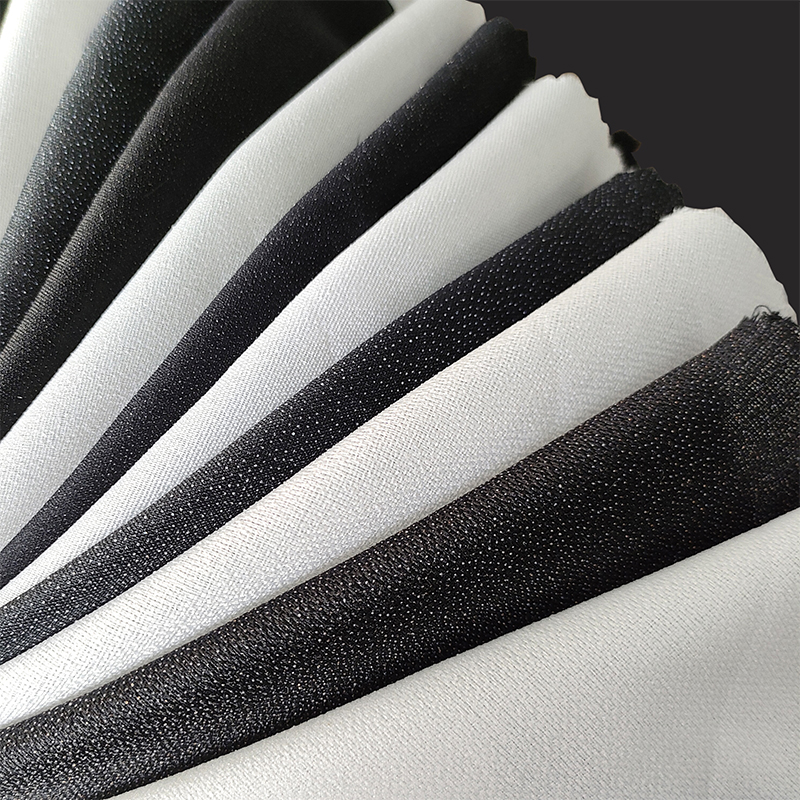
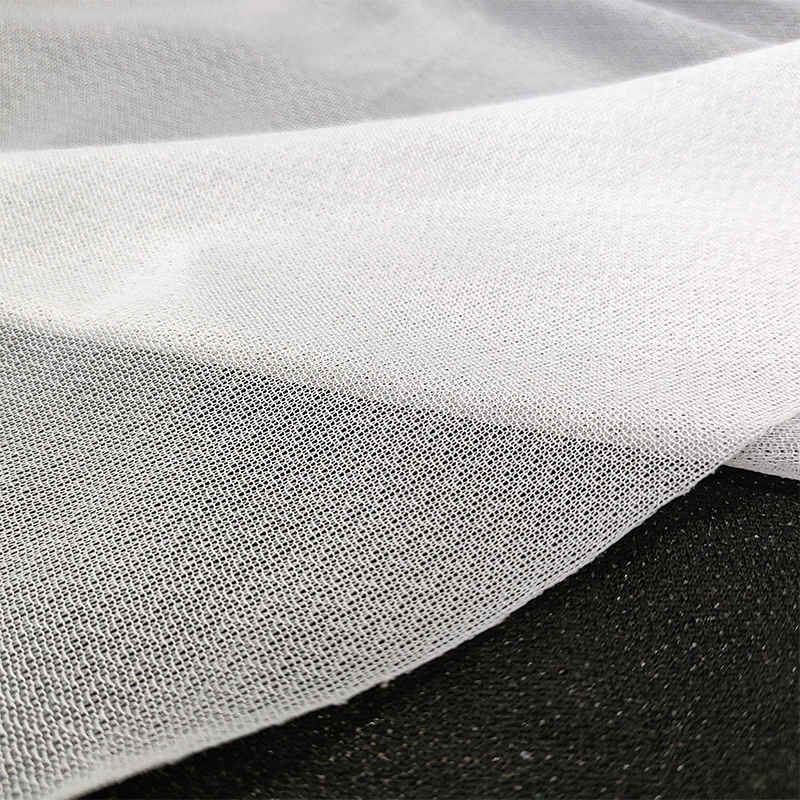
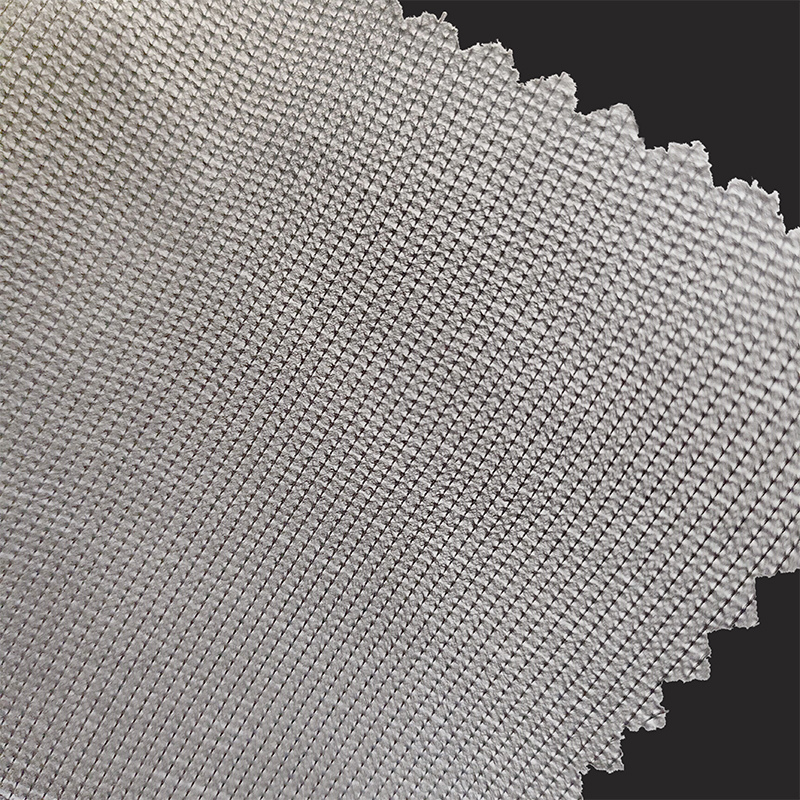
For woven shirts, the interlining must have the same or lower contraction than the shell fabric. A typical approach is to use a woven shirt interlining with a pre-shrunk construction.
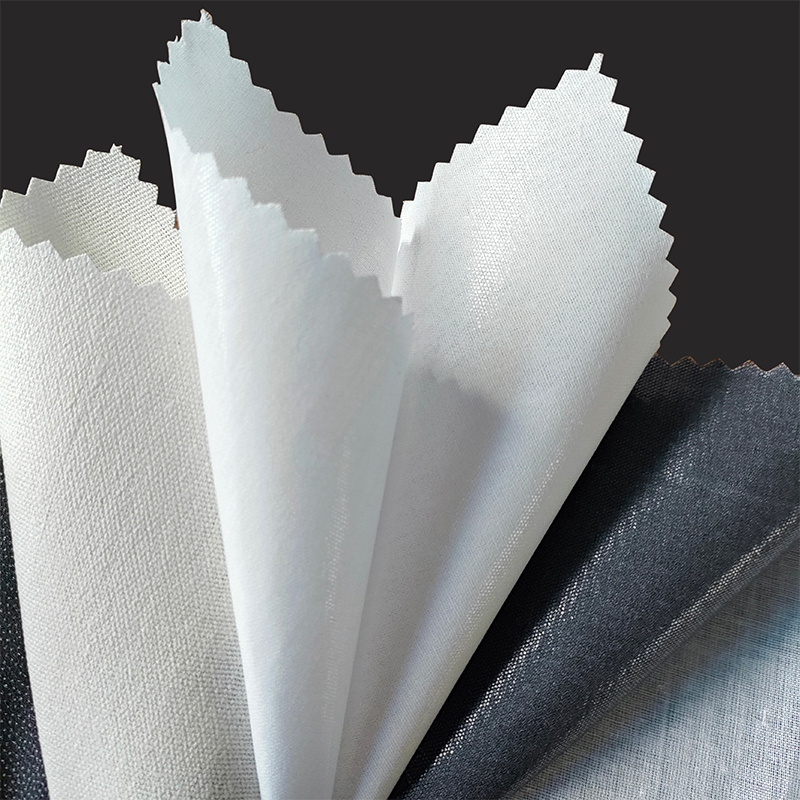 Pre-Shrunk Woven Interlining for Shirt Collars and PocketsThis woven interlining uses cotton, polyester, or blends with resin for wash and dry-clean resistance. Its pre-shrunk construction helps match shell fabric contraction, making it suitable for shirt collars and pockets.View Product →
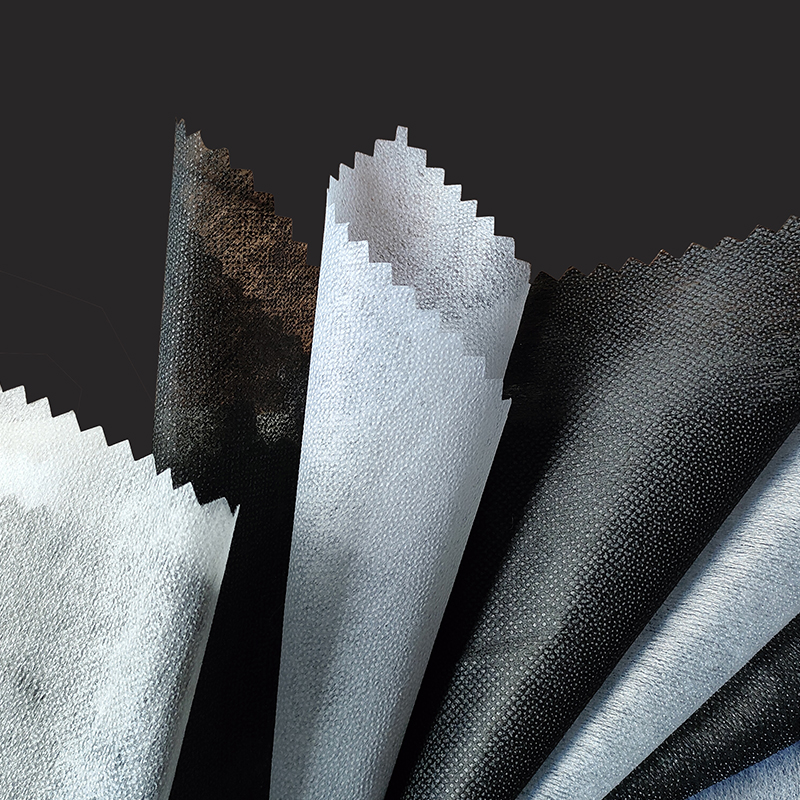
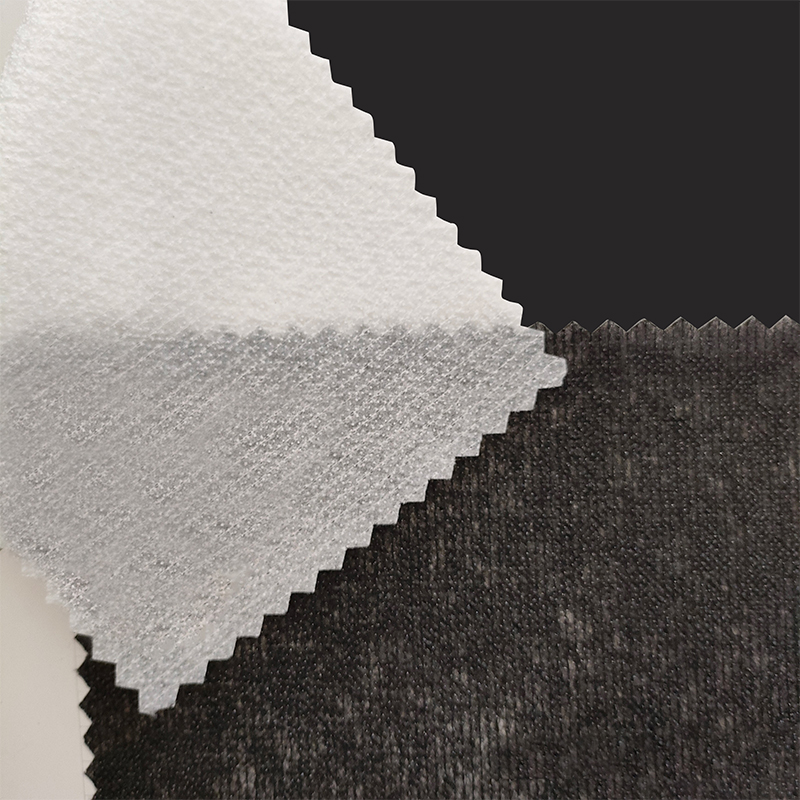
Nonwoven interlinings are widely used in waistbands, cuffs, and lightweight garments. They give stability without adding too much weight. When judging nonwoven interlining quality, look for even coating of adhesive powder, consistent tensile strength, and a defined bond after fusing. A nonwoven that is too soft will collapse; one that is too hard will create an unnatural crease.
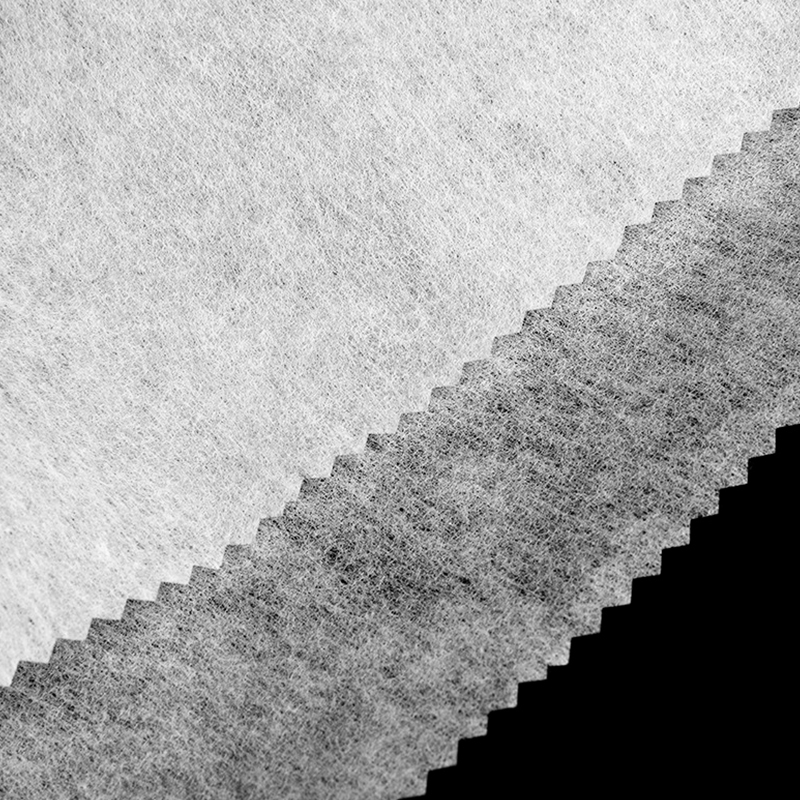 High-Temperature Resistant Chemical Bond Nonwoven InterliningMade mainly from polyester, this nonwoven interlining withstands carding up to 260°C. Available in various feels and breathability options, it provides stability for waistbands, cuffs, and lightweight garments without excess weight.View Product →
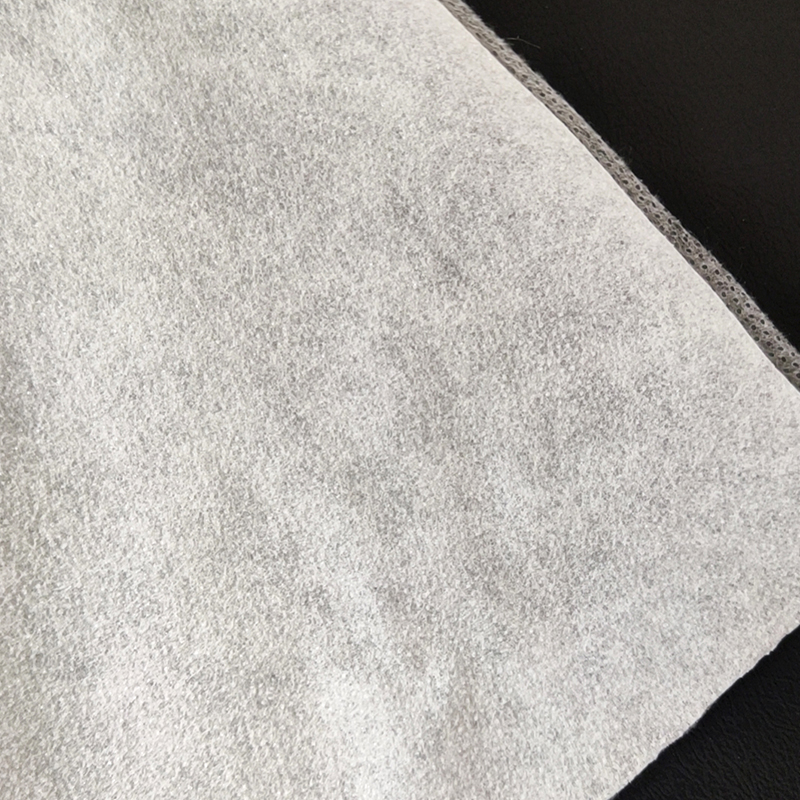
Embroidery stabilizers affect the appearance of decorated garments. A proper stabilizer holds the shell fabric flat, prevents puckering, and leaves no residue on the back. The choice of cut-away, tear-away, or water-soluble stabilizer depends on the shell fabric and the final design.
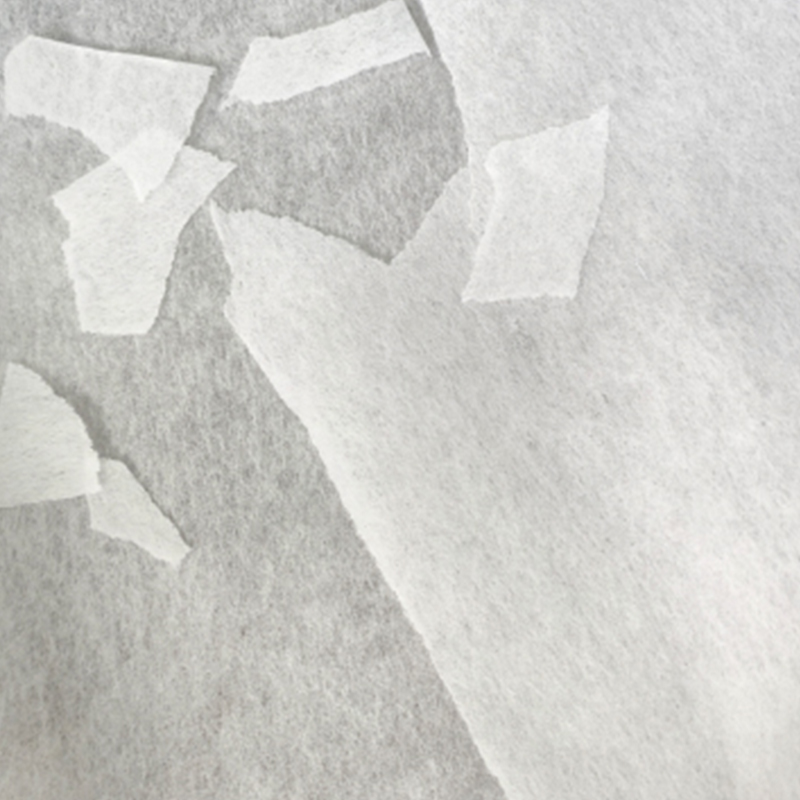 Polyester Embroidery Backing for Elastic and Deformable FabricsThis backing stabilizes stretchy or easily deformed fabrics during embroidery, preventing puckering and leaving no residue. It supports the shell fabric flat, ensuring clean decoration on delicate materials.View Product →
In this context, the quality of the hidden materials is just as important as the quality of the visible fabric. A high-end shell fabric is wasted if the interlining inside distorts the garment after a single wash. That is why we recommend carrying out a full construction test on your production garments, including the fused parts, before approving a supplier for a bulk order.
For a deeper look at how woven interlinings improve garment manufacturing, read our article on key advantages of woven interlining fabric in garment manufacturing.
Practical Fabric Testing Methods for Buyers and Garment Makers
Beyond simple hand and visual checks, you can run several low-cost tests in your own sample room that will reveal major quality problems. These tests do not require a fully equipped lab, but they give you solid early warnings.
- Seam slippage test: Sew two pieces of fabric with a 1 cm seam allowance, then pull perpendicular to the seam. A good woven shirting fabric should not slip more than 2 to 3 mm at a force of 150 N. If the seam opens visibly, the fabric is too slippery or the construction is too open.
- Pilling test: Rub a small fabric sample against a standard abradant for 20 minutes. Compare the surface with a visual rating card. A rating of 3 or better is acceptable for most apparel.
- Tear strength test: Cut a 20 mm wide strip with a 2 mm notch on one side, then stretch the two legs at a constant speed. Record the maximum force. For common garment fabrics, a tear strength above 8 N is usually acceptable.
- Laundering test: Wash the fabric sample with a textile detergent at 40 C for 45 minutes, then dry flat and measure dimensional change. A shrinkage above 3% for woven cloth is a warning sign.
These methods are practical approximations of established test methods such as AATCC 135 for dimensional stability and ASTM D2261 for tear strength. Whenever a supplier presents a quality claim that seems too good, verify it with your own two hands.
Frequently Asked Questions (FAQ)
Which single factor has the greatest influence on fabric quality?
There is no single factor. Fiber content and construction together set the baseline. If the fiber is poor, no finishing can rescue it. If the construction is loose, a high-quality fiber will still fail in seam strength. In practice, fiber content is the first thing to check because it is irreversible.
How can I tell if a fabric will shrink after washing?
The most reliable way is to perform a wash test. Cut a 30 cm x 30 cm sample, mark a 20 cm x 20 cm center area, wash at the intended temperature, dry flat, and remeasure. For woven fabrics accept 1 to 3% shrinkage; for knits accept 3 to 5%. If a supplier refuses to provide a pre-shrink certificate, treat it as a warning.
Is a higher thread count always better for fabric quality?
Not always. A higher thread count makes the fabric denser, smooth, and more luxurious, but it can also reduce strength and breathability. For summer shirting, a thread count of 120 to 160 is typical. Above 300, the fabric may become too delicate for daily wear. Choose the thread count based on the intended use, not on the number alone.
What should I do if the supplier sends fabric with color variation from roll to roll?
Color variation is a common issue with batch dyeing. You should reject rolls that obviously differ from the approved shade standard. Maintain a standard swatch set in your lab and compare every delivery against it. Never rely on the supplier's claim that the color will be the same after the first wash.
How does interlining affect the quality of a finished garment?
Interlining gives support to collar, cuffs, plackets, and waistbands. A bad interlining causes puckering, delamination, or wavy edges after fusing. It can also change the hand feel of the garment from crisp to floppy. When you judge cloth quality, evaluate the fused shell assembly, not just the shell fabric alone.
Judging fabric quality is a skill that improves with systematic testing and a clear understanding of tolerance. Rely on measurable factors: fiber composition, thread count, weight, colorfastness, shrinkage, and defect density. Do not overlook the hidden materials that hold the garment together. When you combine these checks with your own inspection code, you can build a reliable supply chain and avoid costly quality surprises in production.