 English
 Español
 Türk
TürkContent
- 1 Why Surface Sprays Fail Under Real Outdoor Conditions
- 2 Core Methods for Waterproofing Outdoor Fabric
- 3 How Nonwoven Interlinings and Support Layers Boost Waterproof Performance
- 4 How to Select the Right Waterproofing Method for Each Outdoor Use Case
- 5 Care Routine That Preserves Waterproof Performance
- 6 Common Mistakes That Ruin Waterproof Outdoor Fabric
- 7 Frequently Asked Questions
- 7.1 What is the best waterproof coating for outdoor fabric?
- 7.2 How long does a waterproof coating last?
- 7.3 Can I waterproof any fabric?
- 7.4 What hydrostatic head rating do I need for heavy rain?
- 7.5 Does nonwoven interlining help with waterproofing?
- 7.6 How should I wash a waterproof jacket?
- 7.7 How can I check whether waterproofing has worn off?
- 8 Final Recommendation
The fastest way to waterproof fabric for outdoor use is to combine a high hydrostatic head coating or membrane with a durable water repellent finish and a supporting interlining layer. A single DWR spray lasts only five to ten washes. A system that includes a nonwoven interlining stabilizes the outer fabric, prevents seam distortion, and keeps the waterproof barrier intact for hundreds of wear cycles. Below is the complete method comparison, selection guide, and maintenance routine used for rain jackets, tents, backpacks, and workwear.
Why Surface Sprays Fail Under Real Outdoor Conditions
DWR spray and wash-in repellents create a bead on the fabric surface, but the chemical bond breaks down quickly in wet and abrasive environments. Textile lab tests show the finish drops below useful repellency after five to ten machine washes, and the full effect can disappear within a season on frequently worn outdoor gear. The result is fabric that wets out in heavy rain, letting moisture push through the weave and into the inner layers.
A better measure of waterproofing is hydrostatic head, which represents the water pressure a fabric can withstand before penetration. Fabric with a 1,000 mm rating handles light drizzle. Fabric with a 10,000 mm rating can withstand moderate rain for several hours. The rating is not only about the face fabric. When an unstable interlining layer stretches under seam stress, micro-gaps open in the coating and let water through. That is why professional outdoor manufacturers select supportive nonwoven interlinings that match the outer material's performance.
Condensation is another factor. High-humidity moisture from sweat can accumulate on the inner surface of a waterproof membrane. If the interlining is too dense or traps moisture against the body, the wearer feels clammy and cold even though the outer shell has not leaked. This internal moisture is a major reason why lightweight nonwoven interlinings are preferred in breathable waterproof garments: they allow moisture vapor to move away from the body while still providing structural support.
The takeaway is straightforward: waterproofing must be treated as a material system, not a surface treatment. If the interlining fails, the waterproof barrier fails too.
Core Methods for Waterproofing Outdoor Fabric
Every waterproofing method has a specific operating window. The following comparison is based on typical garment-grade material testing conditions and shows what you can expect from each approach.
| Method | Hydrostatic Head | Breathability | Wash Durability | Best Use |
|---|---|---|---|---|
| DWR spray or wash-in | 300-1,000 mm | High | 5-10 washes | Everyday light rain |
| Polyurethane (PU) coating | 3,000-8,000 mm | Low to medium | 50+ washes | Rainwear, workwear |
| TPU membrane lamination | 10,000-20,000+ mm | Medium to high | 100+ washes | Technical outdoor jackets |
| Nonwoven interlining plus membrane | Depends on membrane | High when engineered | Depends on lamination | Insulated outerwear |
| Silicone impregnation | 2,000-5,000 mm | Medium | 30+ washes | Canvas, tent fabric |
PU coatings are popular because they are economical and provide a solid water barrier for rainwear. However, they are less breathable than TPU membranes, which makes them a better fit for low-activity rain jackets and industrial workwear. TPU membranes, on the other hand, allow water vapor to escape while blocking liquid water, which is why they dominate high-end outdoor clothing.
For most outdoor products, the winning combination is a TPU membrane for waterproofing plus a nonwoven interlining for structure. The membrane does the water blocking, while the interlining keeps the garment shape stable and prevents creases that can crack the membrane over time.
How Nonwoven Interlinings and Support Layers Boost Waterproof Performance
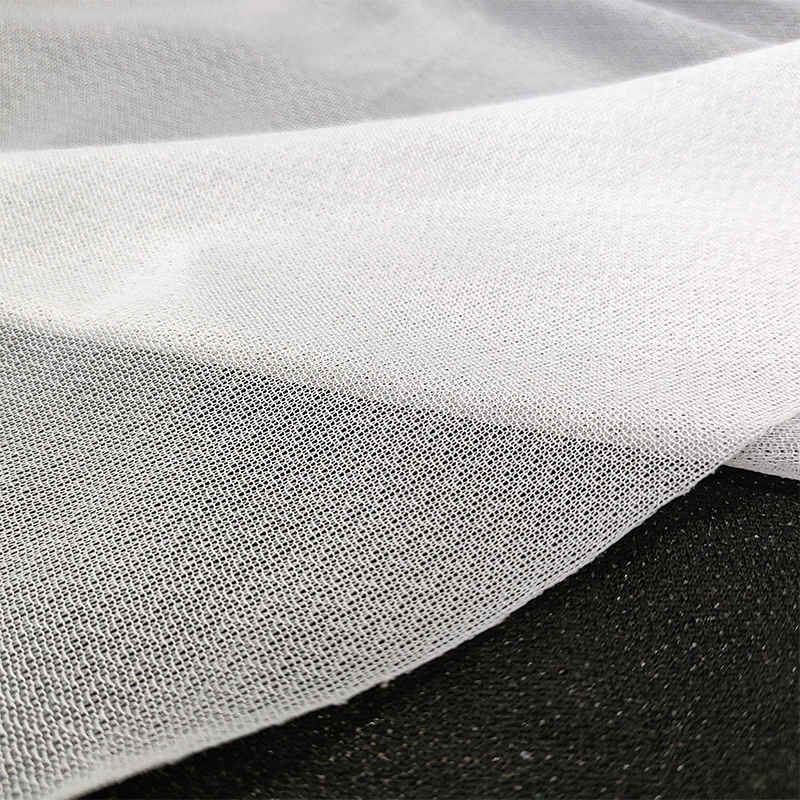
The role of interlining in waterproof clothing is often overlooked. A supportive interlining improves seam strength, reduces fabric stretching at high-stress points, and creates a stable micro-climate that helps the membrane breathe correctly. In garment manufacturing, this is measured by seam slippage and dimensional stability tests. A fabric that stretches 20 percent more at a seam becomes a weak point for water ingress.
For outdoor apparel, the choice between thermally bonded, chemical-bonded, and spunbond nonwoven interlinings changes the performance outcome. Thermally bonded interlinings offer good dimensional stability, while spunbond PP interlinings deliver high tensile strength and resistance to moisture absorption. Chemical-bonded varieties are often used in applications where a soft, drapable hand feel is more important than maximum rigidity.
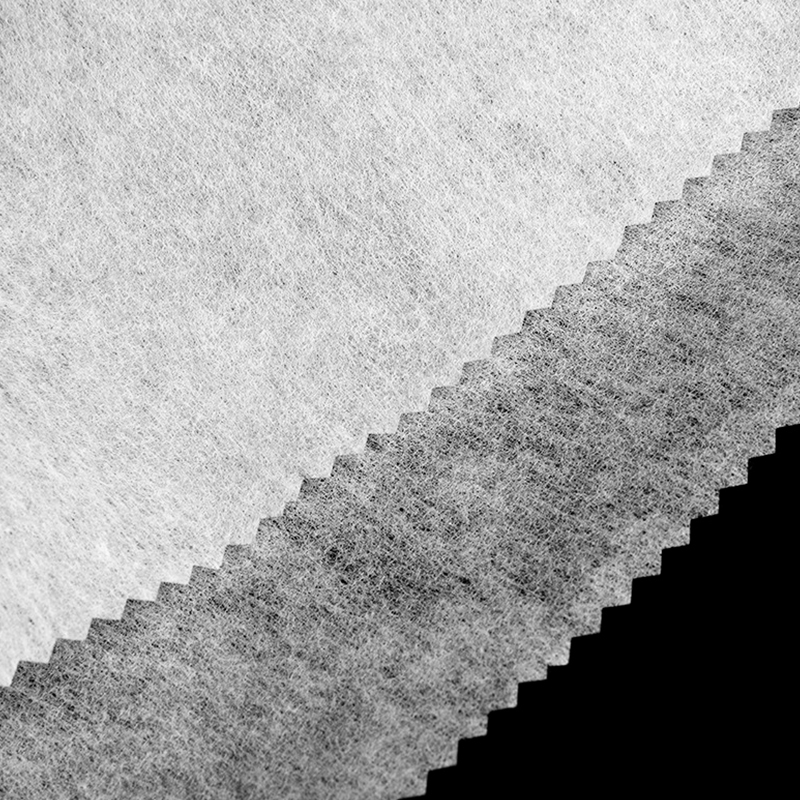
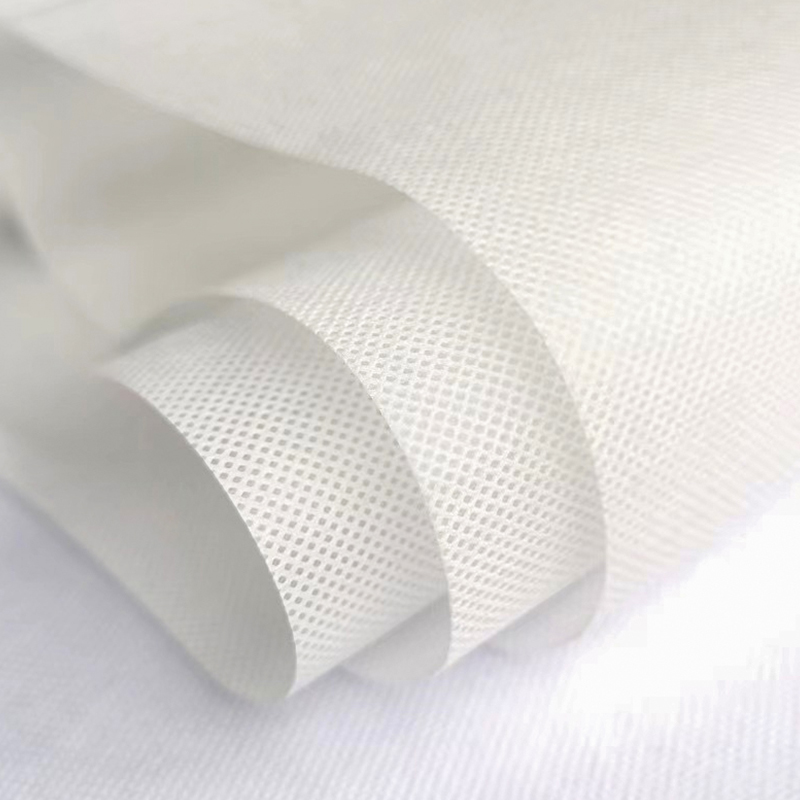 PP Spunbond Nonwoven Interlining for Durable Outdoor WearThis polypropylene spunbond interlining offers high tensile strength and moisture resistance, making it a practical support for rainwear and outerwear that withstands repeated washing and abrasion.View Product →
PP spunbond nonwoven interlining is often used when outdoor layers need a durable, abrasion-resistant support. It resists moisture absorption, which prevents that heavy, wet feel in rainwear, and it holds its shape after repeated washing. This is a practical advantage for outerwear that is regularly exposed to rain and mud.
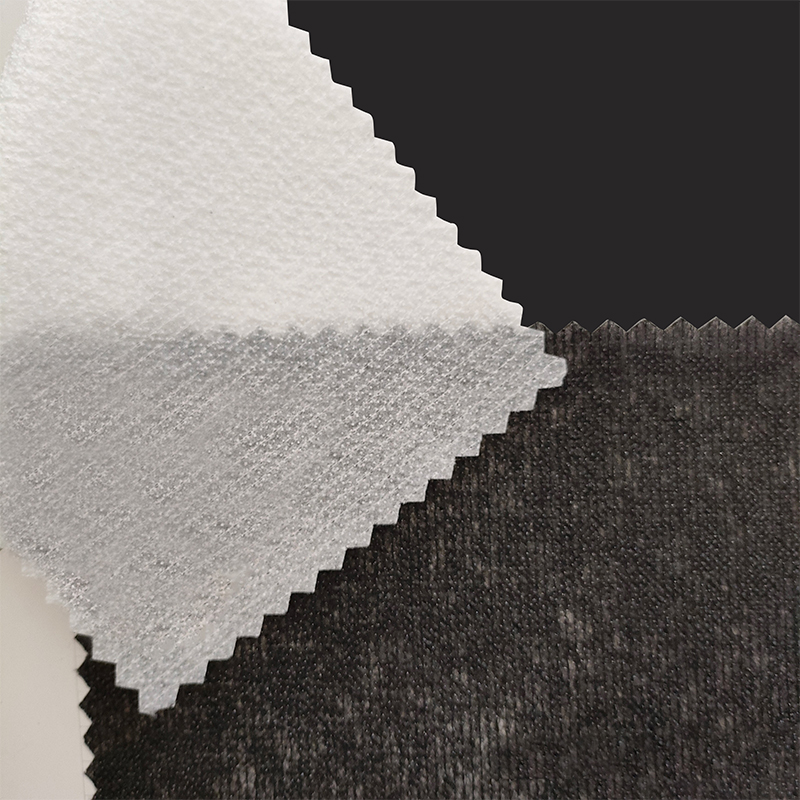
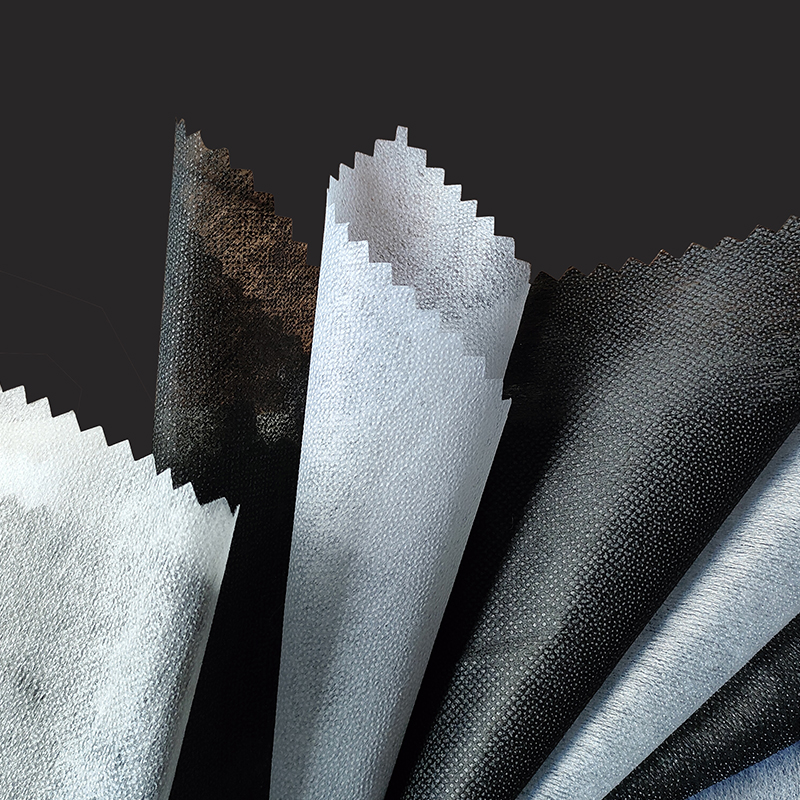 Thermobond Nonwoven Interlining for Structured OuterwearThermally bonded nonwoven interlining provides a uniform, crisp support that maintains garment shape without adding bulk, ideal for structured rain shells and lined workwear.View Product →
Thermo-bond nonwoven interlining works well in outerwear where the outer shell must remain crisp and structured. Its thermal bonding process creates a uniform structure that supports the face fabric without adding bulk, reducing the chance of crease damage to the waterproof membrane. It is a common choice for structured rain shells and lined workwear.
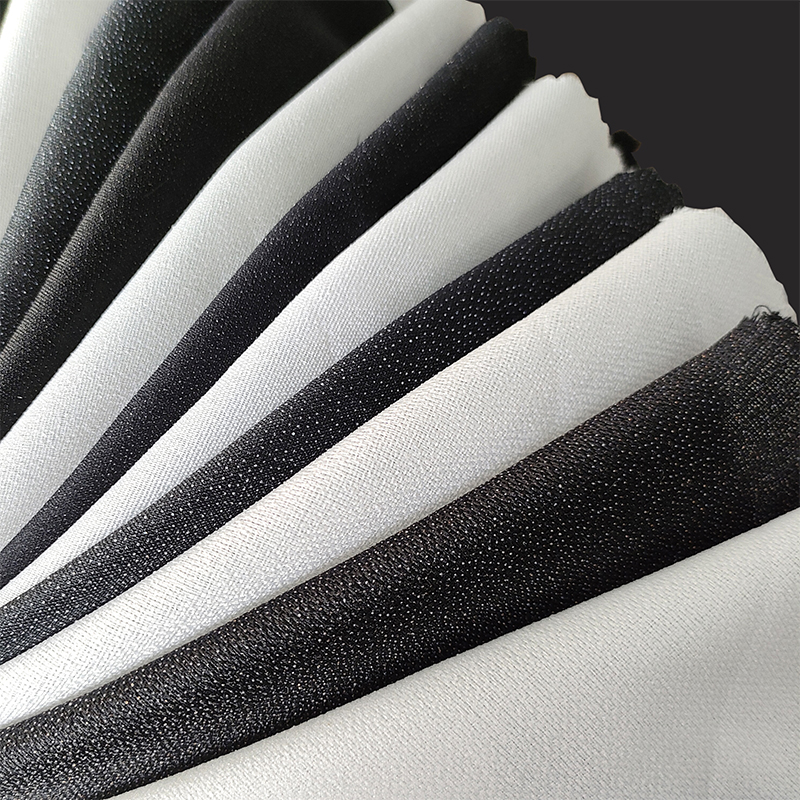
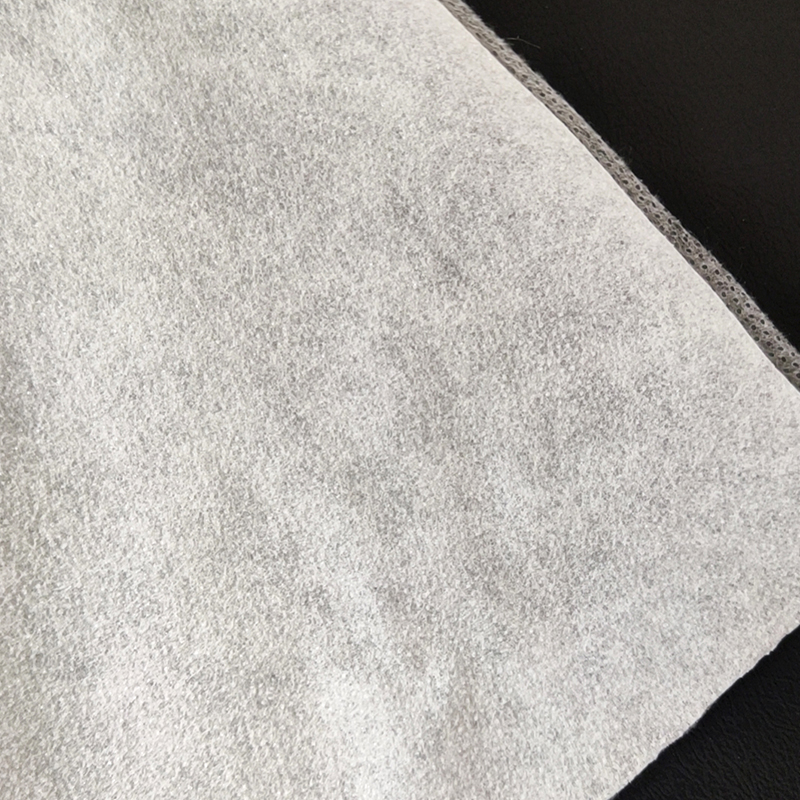 PP-TPU Elastic Interlining for Flexible ActivewearThis elastic interlining delivers stretch and recovery, allowing outer fabrics to move freely in sports jackets and ski shells while resisting permanent creases after packing.View Product →
For active outdoor use, PP-TPU elastic interlining adds recovery and flexibility. It holds its shape while allowing the outer fabric to move, which is critical for sports jackets, ski shells, and stretch outdoor trousers. The elastic component also helps the garment return to shape after packing, reducing the risk of permanent creases in the waterproof layer.
During seam taping, the interlining provides a smooth, flat surface that lets the tape bond evenly. If the interlining is too bulky or uneven, the tape can lift at the edges and create a hidden leak path. This is a practical detail that is often missed by buyers but is decisive in the final waterproof quality. If you want to learn more about the selection logic, read our dedicated article on choosing interlining materials for waterproof outdoor clothing.
How to Select the Right Waterproofing Method for Each Outdoor Use Case
Different outdoor products demand different waterproofing targets. The choice depends on activity intensity, exposure duration, and the weight of the garment or product.
- Rain jackets and shell layers: aim for at least 10,000 mm hydrostatic head with a breathable membrane. For high-output activity, pair it with a moisture-wicking nonwoven layer to prevent condensation inside and maintain dry comfort.
- Tents and tarps: PU coating in the 3,000-5,000 mm range is usually enough, but silicone-impregnated nylon offers better flexibility and lower weight for trekking use. The inner lining of a tent should also be reinforced to resist abrasion from poles and gear.
- Backpacks and duffel bags: a 1,000-3,000 mm coated nylon with a nonwoven backing prevents abrasion from puncturing the coating and adds long-term shape retention. The backing also reduces the risk of the coating flaking off after repeated folding.
- Workwear and industrial outerwear: choose a PU coating with 8,000 mm or higher, plus a tough woven or nonwoven interlining that resists friction and repeated flexing. This prevents the coating from cracking at the elbows and knees.
A common guideline from the outdoor textile industry: a 5,000 mm rating is the minimum for breathable rainwear, 10,000 mm for moderate rain with weight packing, and 20,000 mm for professional alpine use. You can read more about this in our article on improving waterproof performance through interlining selection.
Care Routine That Preserves Waterproof Performance
Proper care can extend a waterproof coating's effective life considerably. Follow this routine after every few wears.
- Wash with a mild liquid detergent that is free of fabric softeners. Softeners leave a residue that blocks the pores of the membrane and reduces breathability.
- Close all zippers and Velcro before washing to prevent snagging the face fabric and the interlining.
- Rinse thoroughly to remove all detergent residues from the inner nonwoven layer. Residue buildup inside the garment is a common cause of reduced wicking performance.
- Re-activate the DWR finish by tumble drying on low heat or ironing the outer fabric at the recommended temperature. Heat helps the DWR polymers migrate back to the surface of the fabric.
- Reapply a DWR spray whenever the outer fabric stops beading water. In moderate use, this means once or twice per season. Indoor drying is sufficient, but occasional low heat will extend the repellent life further.
Common Mistakes That Ruin Waterproof Outdoor Fabric
Avoiding these mistakes is just as important as choosing the right waterproof coating.
- Ironing laminated fabrics too hot. High heat can melt the TPU membrane and permanently reduce the hydrostatic head rating. Always check the care label and use a low-temperature setting when drying.
- Over-washing the garment. Every extra wash cycle shortens the DWR life. Spot-clean dirt between washes whenever possible to stretch the performance window.
- Ignoring the interlining. A softened or delaminated interlining lets the outer fabric stretch at seams, which creates micro-cracks in the coating. This is often the hidden cause of sudden leakage in garments that have never been damaged externally.
- Storing waterproof gear while damp. Moisture trapped inside promotes delamination and bacterial growth, both of which reduce performance and produce an unpleasant smell.
- Using bleach or harsh chemical cleaners. These can dissolve the coating film and degrade the nonwoven interlining, making the garment unusable after only a few washes.
Frequently Asked Questions
What is the best waterproof coating for outdoor fabric?
The best coating depends on the final use. For technical outdoor garments, a TPU membrane with a high hydrostatic head above 10,000 mm is the most reliable. For lighter applications, a PU coating in the 3,000-8,000 mm range offers a solid balance of weight, flexibility, and cost.
How long does a waterproof coating last?
A DWR spray lasts roughly five to ten washes. A PU coating lasts 50 or more washes if cared for properly. A laminated TPU membrane can last 100 or more washes, provided the interlining does not break down and create seam stress.
Can I waterproof any fabric?
You can apply a DWR finish to almost any woven or nonwoven fabric. However, fabrics without a closed weave or coating will only repel water on the surface. A stable interlining improves the structure and prevents the fabric from stretching so the coating stays intact.
What hydrostatic head rating do I need for heavy rain?
For sustained heavy rain, choose a material with at least 10,000 mm hydrostatic head. For alpine and expedition use, 20,000 mm is the safer target, especially when combined with a breathable membrane and supportive interlining.
Does nonwoven interlining help with waterproofing?
Yes. Nonwoven interlining stabilizes the outer shell, reduces seam slippage, creates an insulating air layer, and prevents creases that can crack a waterproof membrane. It is an essential support layer in high-performance outdoor construction.
How should I wash a waterproof jacket?
Use a mild detergent without fabric softener, close all zippers, and set the machine to a gentle cycle with low spin. Rinse thoroughly, then tumble dry on low heat or warm iron to reactivate the DWR. Avoid bleach and tumble drying at high heat.
How can I check whether waterproofing has worn off?
Sprinkle a small amount of water on the outer fabric. If it beads and rolls off, the DWR is still active. If it spreads and soaks in, the fabric has wetted out. In that case, clean the garment and reapply a DWR treatment before the next outing.
Final Recommendation
The reliable path to waterproof outdoor fabric is a layered system: a high-performance membrane for water resistance, a DWR finish for surface repellency, and a supportive nonwoven interlining for structural integrity. Pay attention to hydrostatic head ratings, seam slippage, and interlining compatibility when you buy or manufacture outdoor gear. With the right material selection and a simple care routine, your waterproof fabric can deliver years of dependable performance in real outdoor conditions.