 English
 Español
 Türk
TürkContent
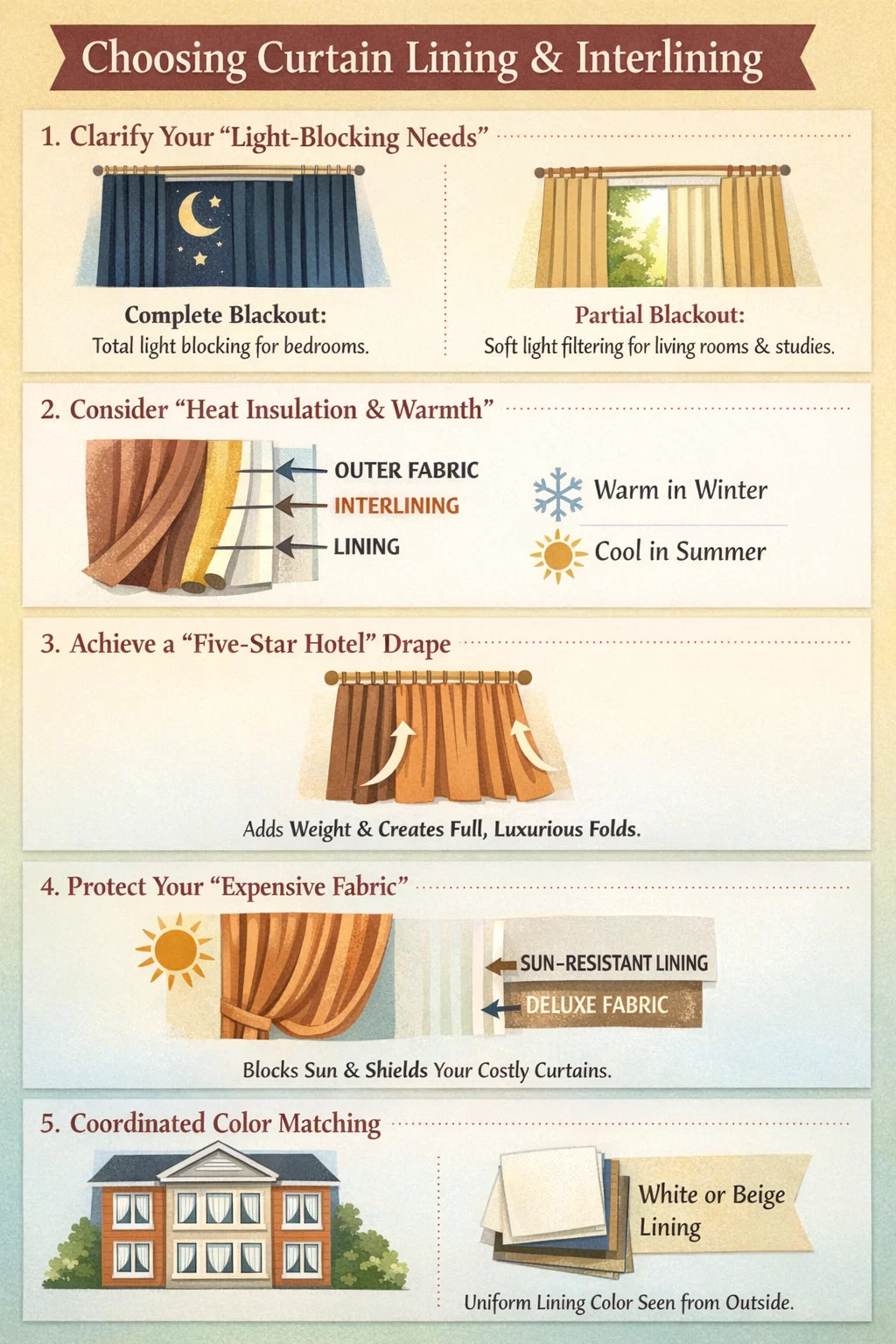
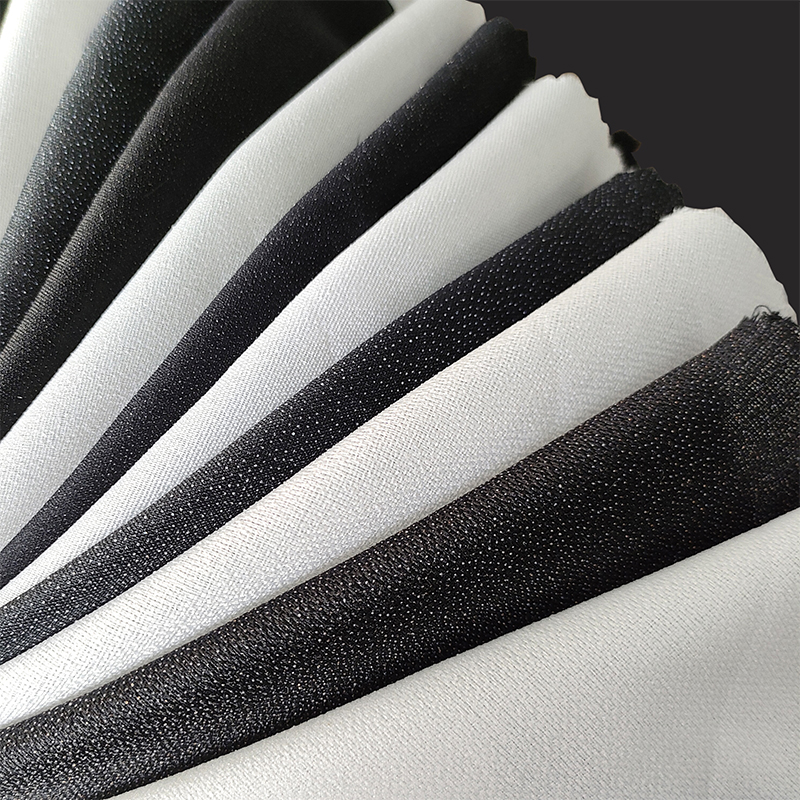
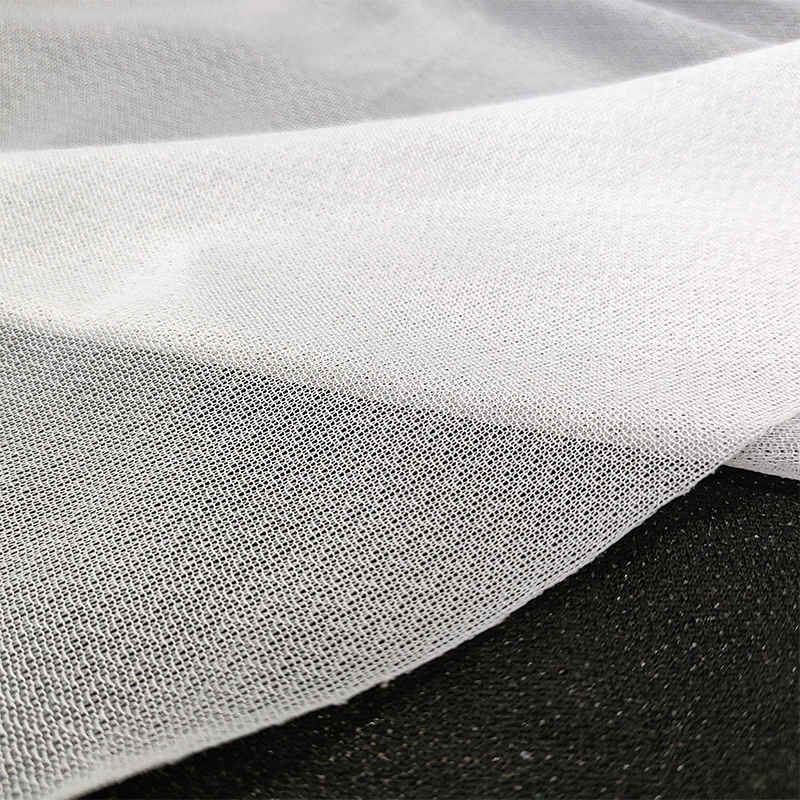
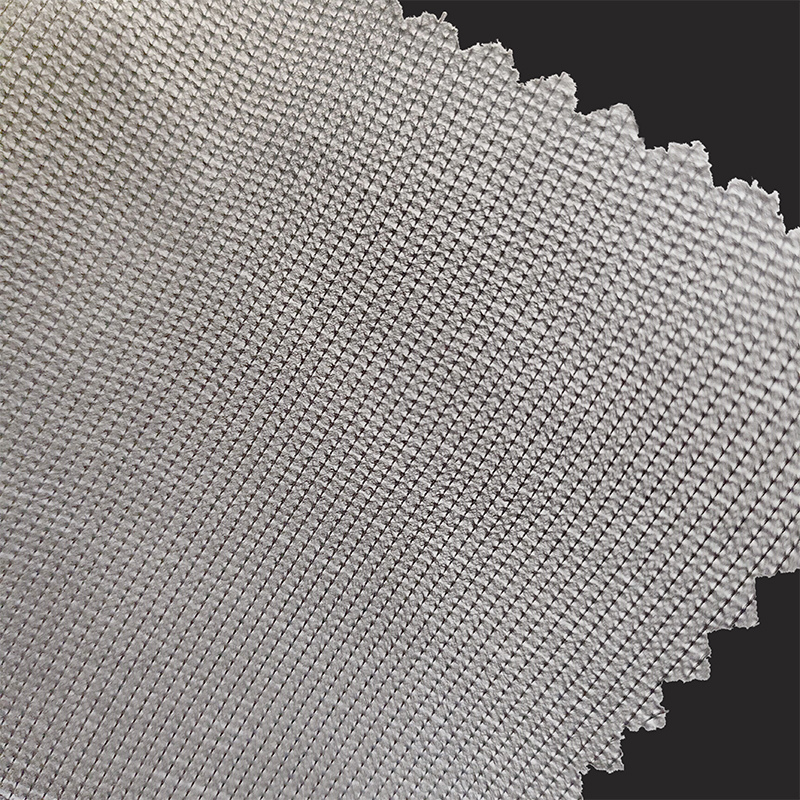
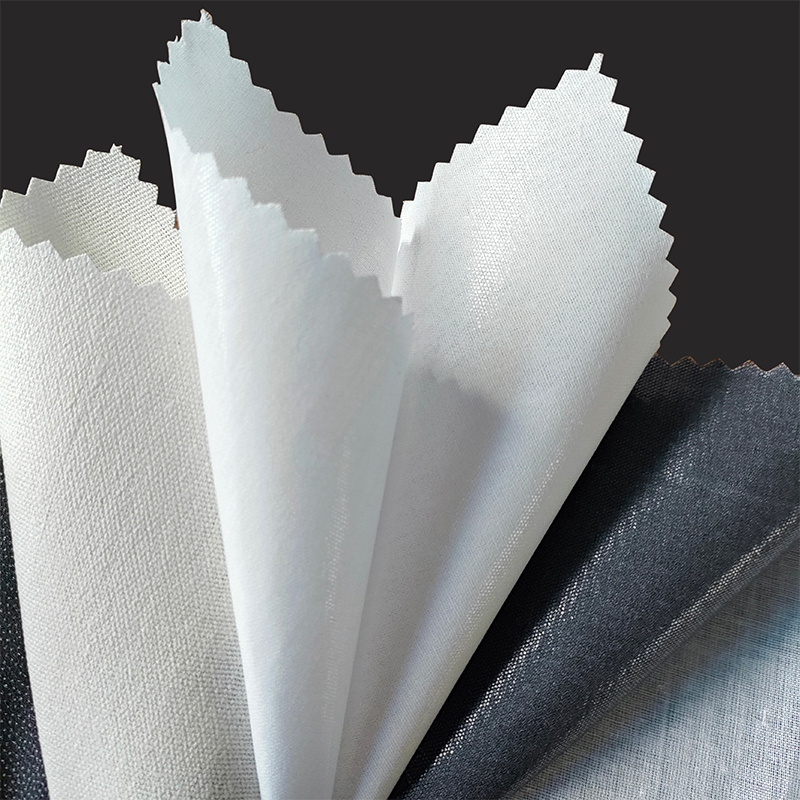
Choosing curtain lining and interlining is like dressing your curtains in "underwear" and "outerwear." The outer fabric determines how beautiful the curtains look, while these two inner layers determine how functional and well-draping they are.
Here are some practical tips for choosing:
1. Clarify your "light-blocking needs"
This is the first thing to consider when choosing the lining.
Complete blackout: For bedrooms, it's recommended to choose a blackout lining with a coating. It can completely block sunlight, allowing you to get a good night's sleep.
Partial blackout: For living rooms or studies, you can choose ordinary cotton or polycotton lining. This fabric can filter out harsh glare while still maintaining a certain level of brightness indoors.
2. Consider "heat insulation and warmth"
If your windows face west (with strong afternoon sun) or if it's particularly cold in winter, interlining is very important.
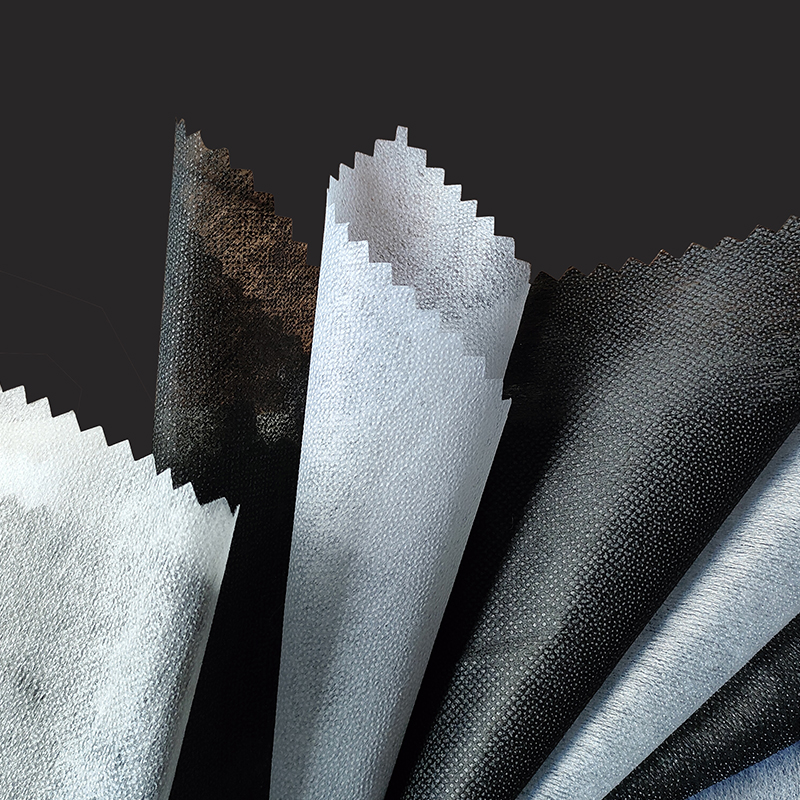
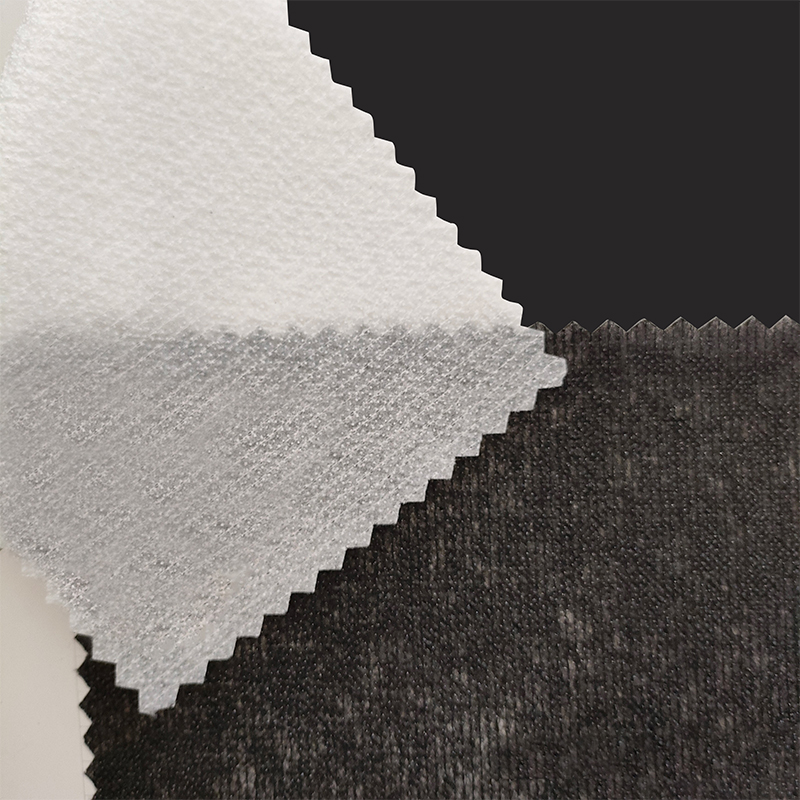
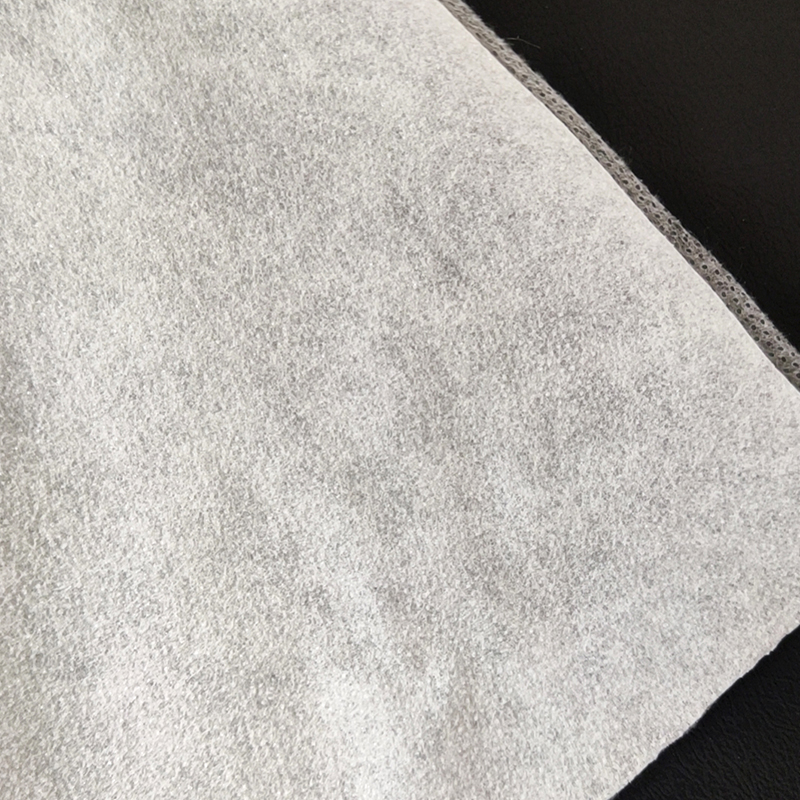
Adding interlining: Adding a thick layer of interlining (usually a soft, fluffy fabric) between the outer fabric and the lining creates an air layer in the middle of the curtain, like a thermos flask.
Warm in winter, cool in summer: This thick interlining can block out the heat from outside in the summer and prevent indoor heat from escaping through the glass in the winter.
3. Achieve a "five-star hotel" drape
Why do some curtains look so luxurious with neat folds?
Adding weight: If your curtain fabric is relatively thin (such as silk or thin cotton), it may look flimsy when hung. Adding a heavier interlining can increase the weight of the curtains.
Shaping the silhouette: The interlining makes the curtain folds look fuller and rounder, giving them a heavy, expensive feel.
4. Protect your "expensive fabric"
Sunlight is the "killer" of fabrics; prolonged exposure to sunlight can make expensive curtain fabrics brittle and fade.
Sacrifice the lining: Choosing a sun-resistant lining as a "shield" can effectively extend the lifespan of the outer main fabric. Multi-layer protection: If you're buying delicate fabrics like silk, the interlining can also act as a buffer, preventing the fabric from being damaged by direct sunlight.
5. Coordinated Color Matching
Aesthetic appeal from the outside: The lining of the curtains is usually visible from the outside of the house. For the overall aesthetics of the building, it's recommended that the lining color be consistent throughout the house, usually white or beige.
No impact on interior colors: Ensure that the color of the lining does not show through the main fabric and affect the patterns inside the room.