 English
 Español
 Türk
TürkContent
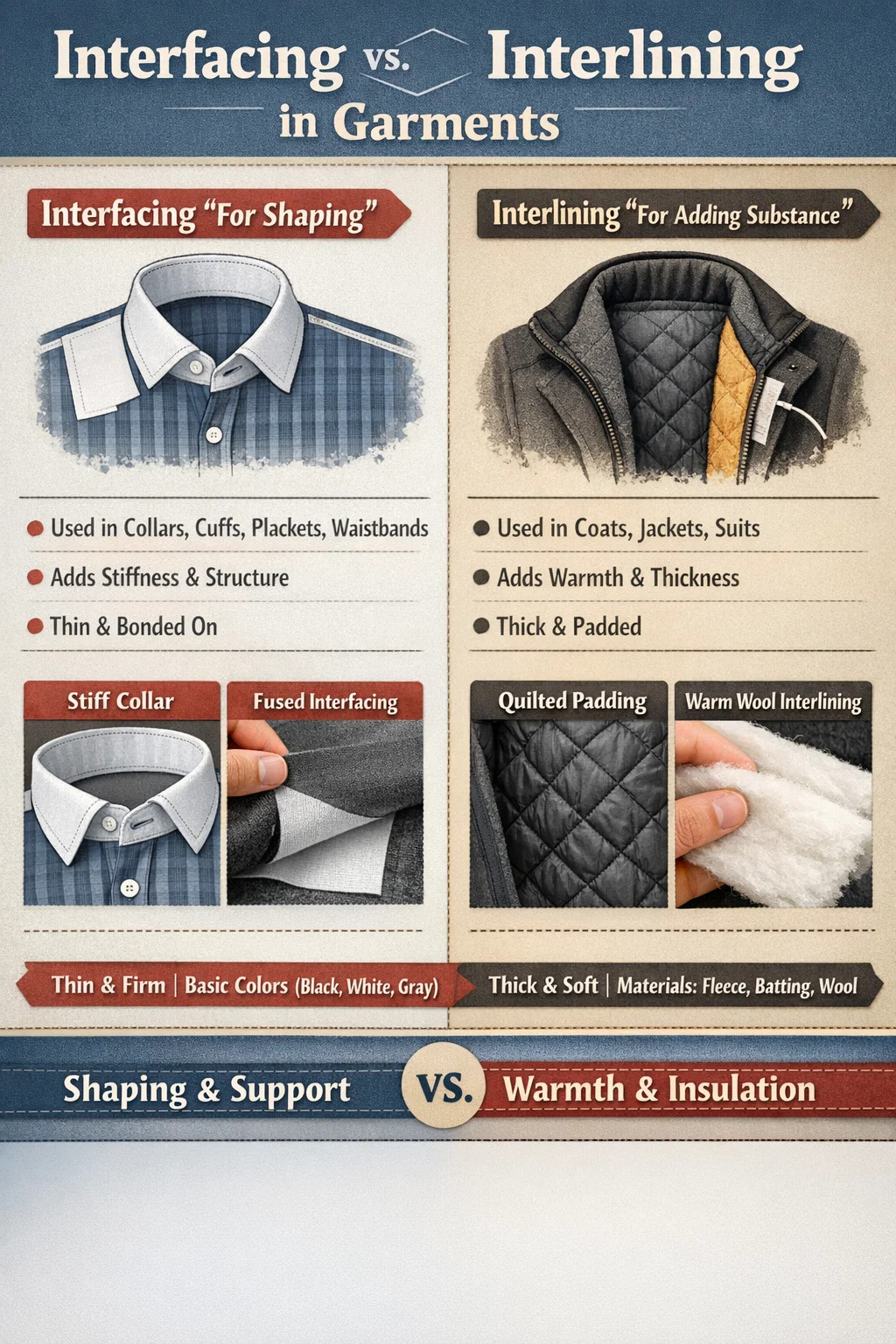
In garment making and fabric processing, interlining and interfacing are like the "invisible skeleton" and "insulating layer" of clothing. Although both are hidden inside the garment, they serve completely different purposes.
Here's a detailed explanation of the differences between them:
↣ Interfacing – Responsible for "Shaping"
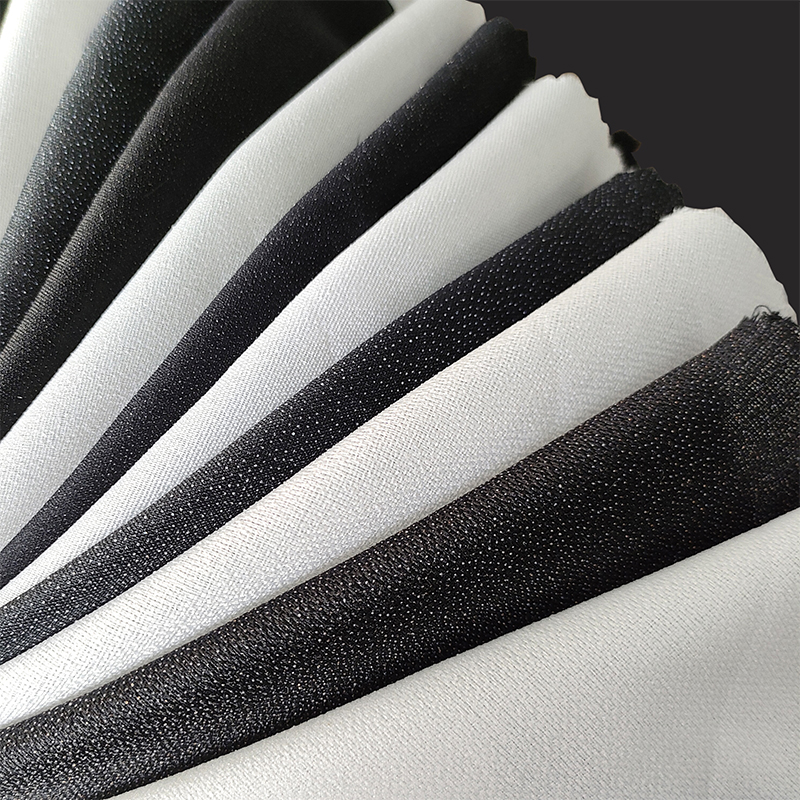
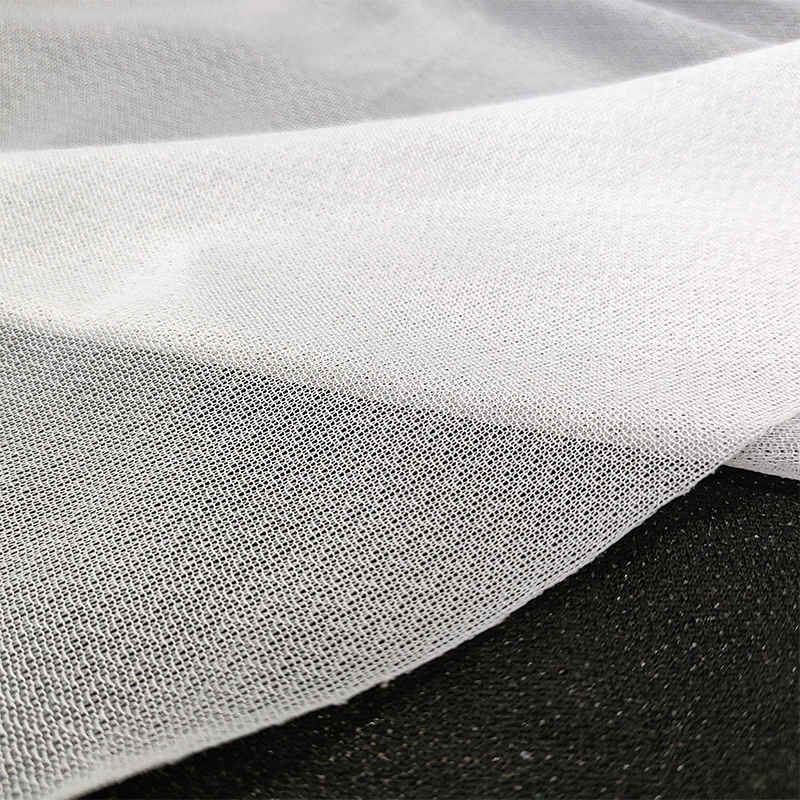
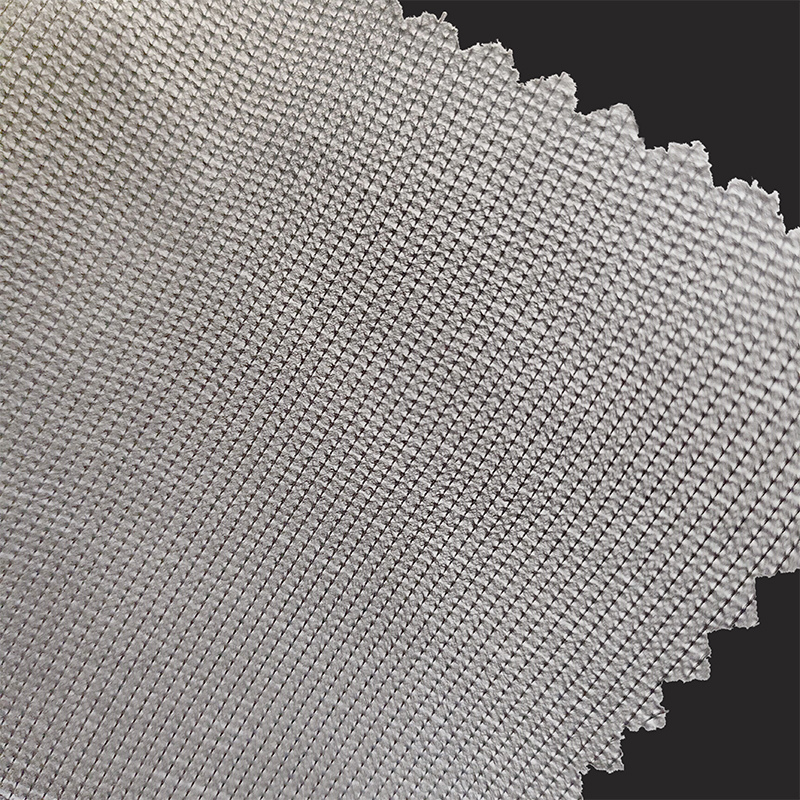
Interfacing acts like a support structure for the garment, primarily used to make certain parts of the clothing stiffer and more structured.
Where it's used: Typically used in areas that need to maintain their shape, such as collars, cuffs, plackets (where the buttons are), or waistbands.
Main function: Prevents deformation: Prevents the fabric from stretching or sagging during wear or washing.
Increases stiffness: Makes collars stand up or makes buttonholes more durable.
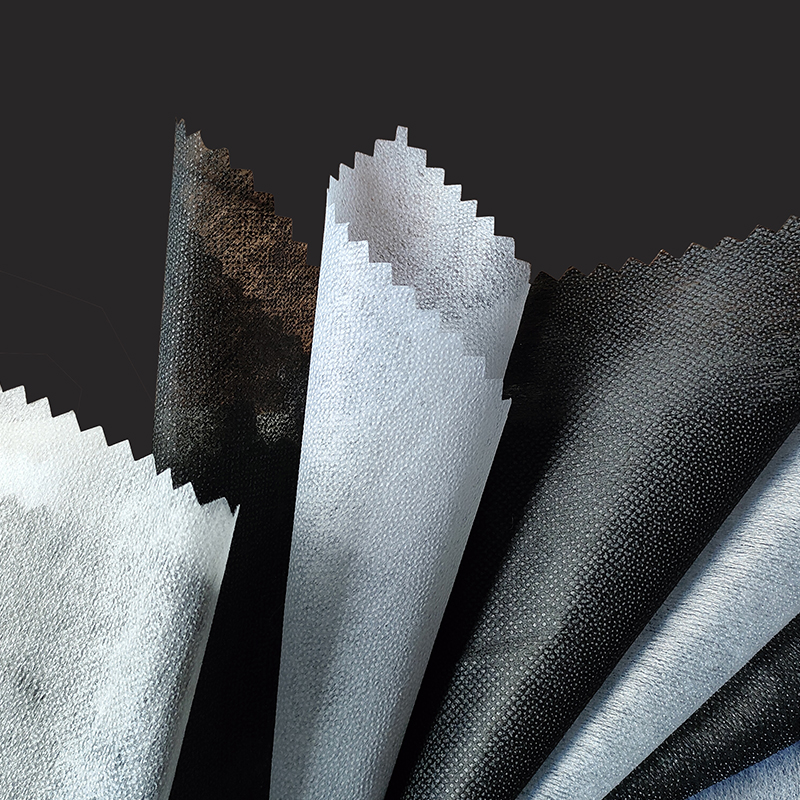
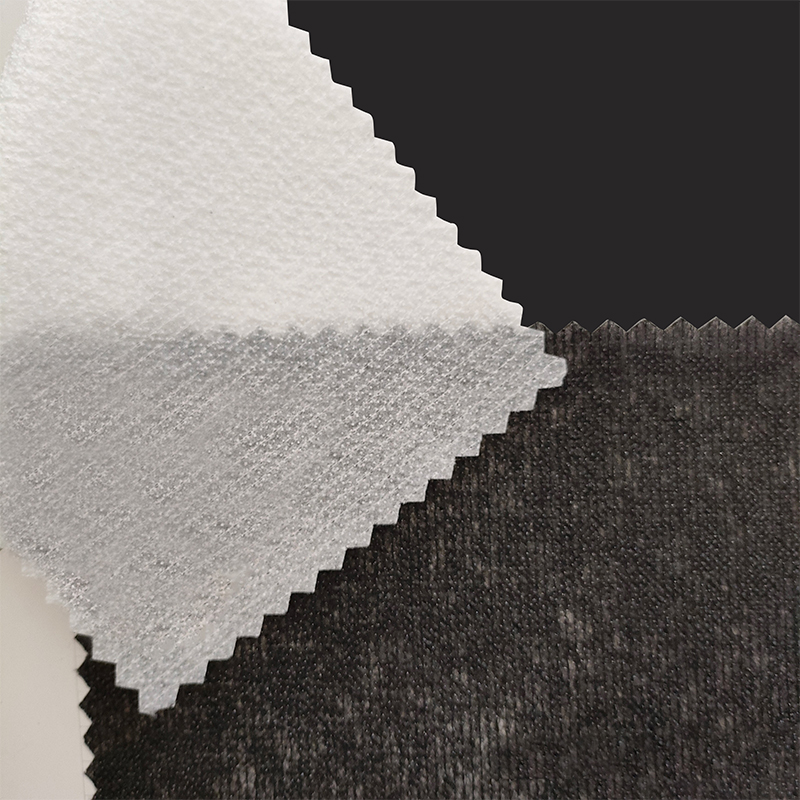
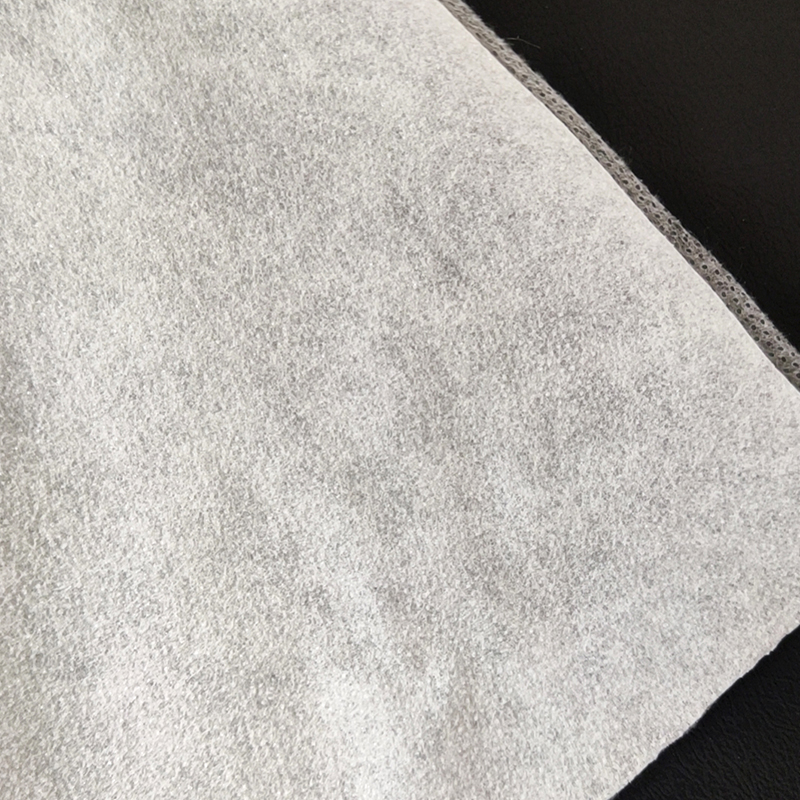
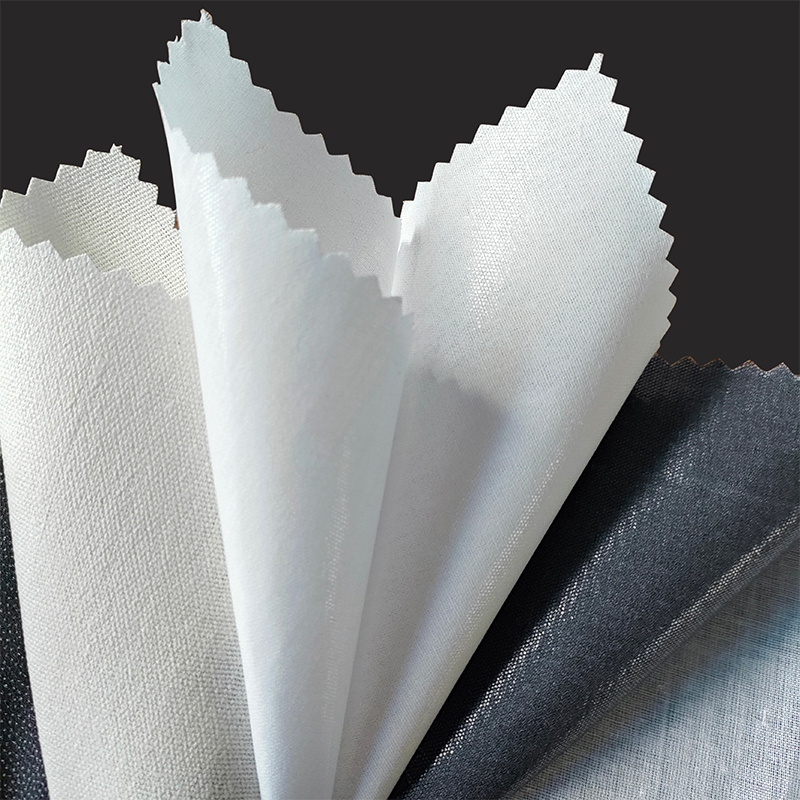
How it's installed: Most are "bonded" on. It has a layer of adhesive on the back, which sticks to the outer fabric when ironed; some are sewn on directly.
Feel: Relatively thin but strong, usually only available in basic colors like black, white, and gray.
↣ Interlining – Responsible for "Adding Substance"
Interlining (referring to the padding layer added between the outer and inner fabrics) is more like adding a "functional layer" to the garment.
Where it's used: Commonly found in coats, jackets, ski suits, or some high-end suits.
Main function:
Warmth: Its primary task is to provide wind protection and warmth. For example, adding a layer of wool or flannel to a thick coat.
Changes texture: Makes the garment look thicker and more substantial, or makes originally thin fabrics feel fuller.
How it's installed: It's the third layer of fabric sandwiched between the outermost layer (outer fabric) and the innermost layer (lining). It's usually sewn together with the outer fabric, not bonded.
Feel: Usually thicker and softer than interfacing, common materials include fleece, cotton batting, or even wool fabrics.