 English
 Español
 Türk
TürkContent
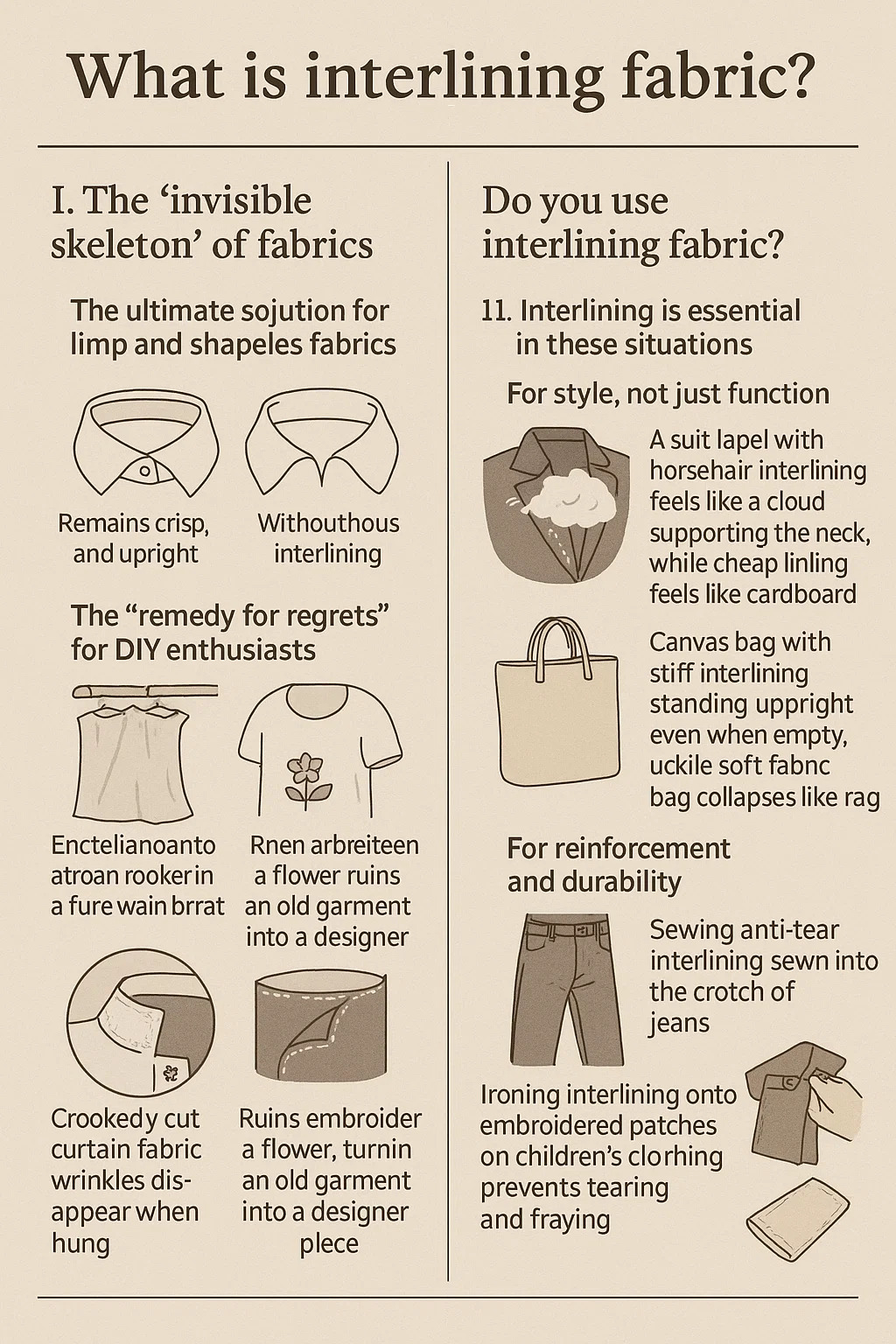
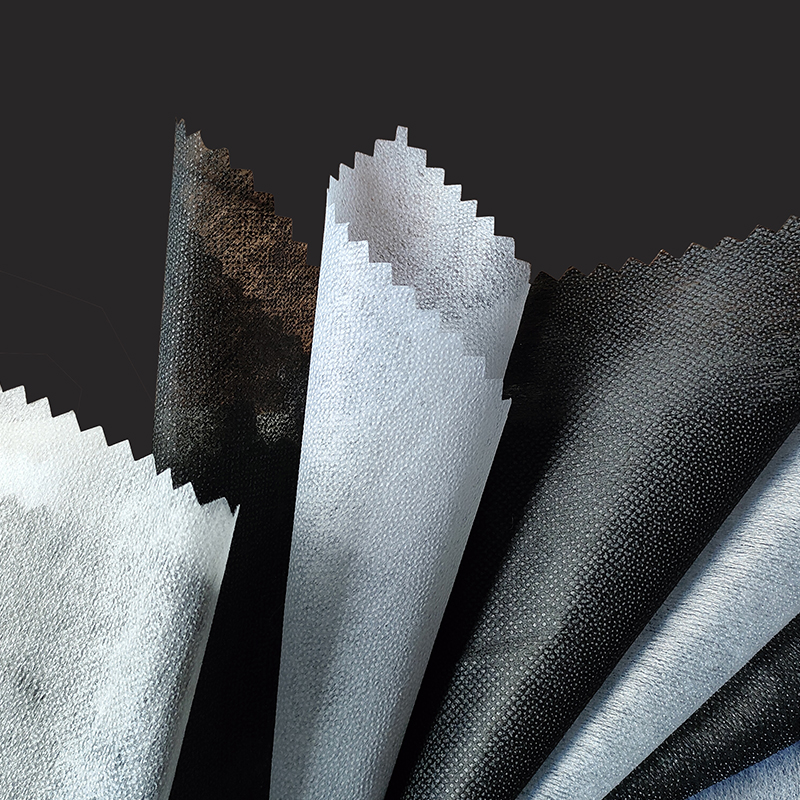
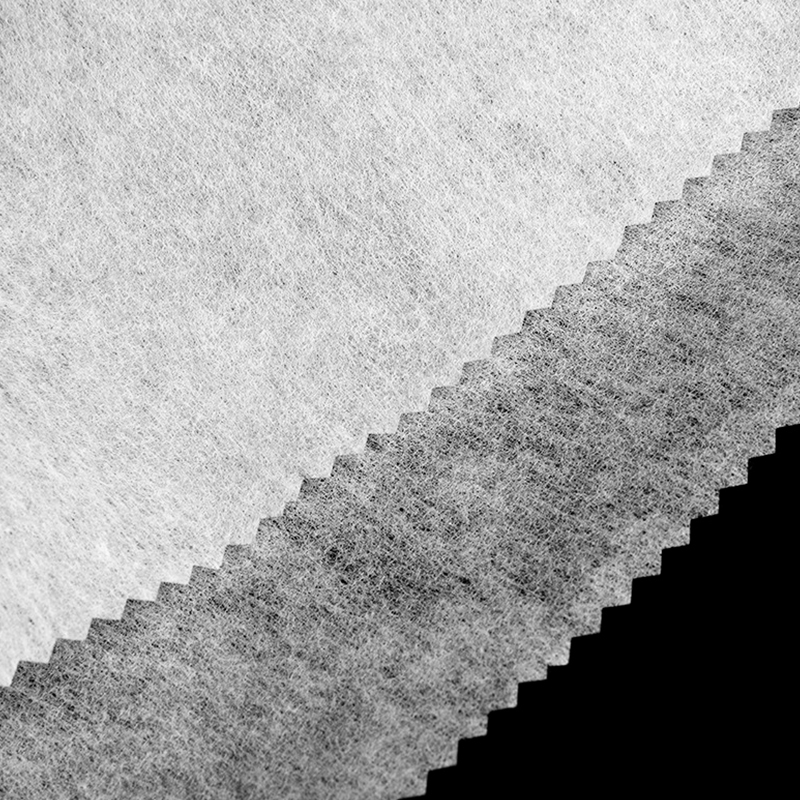
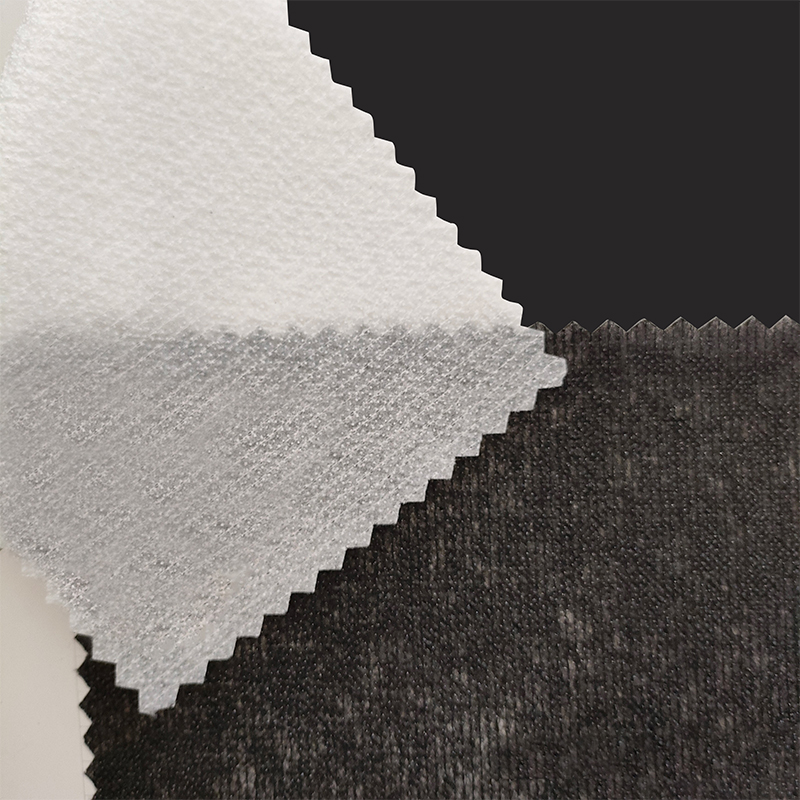
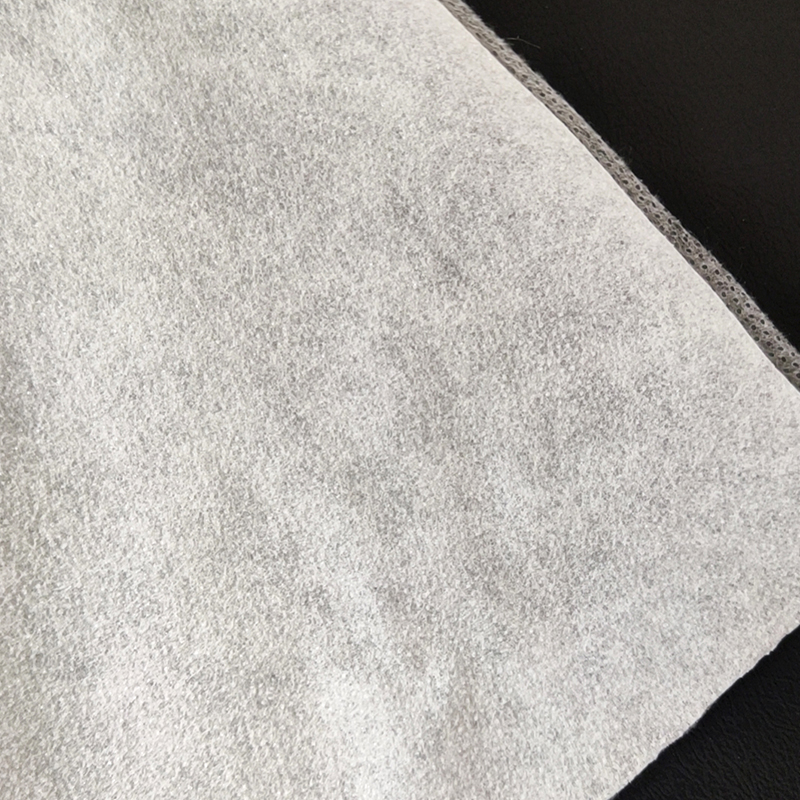
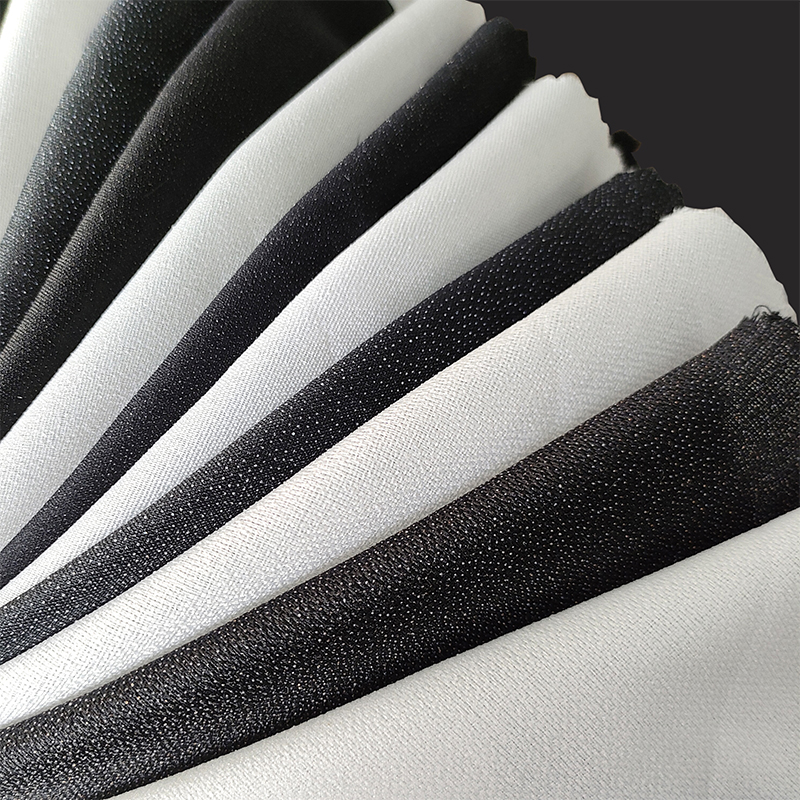
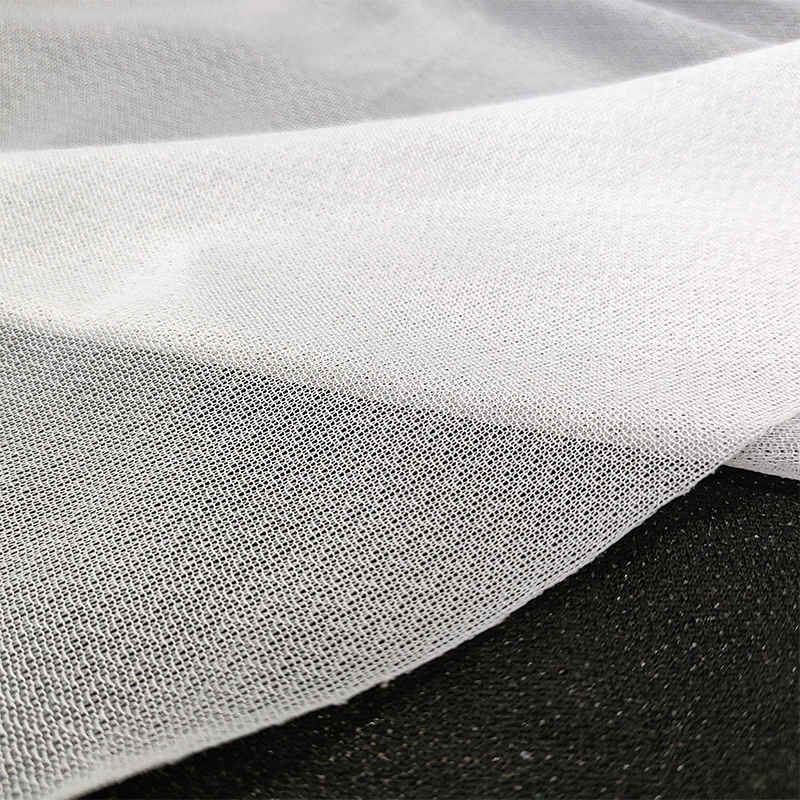
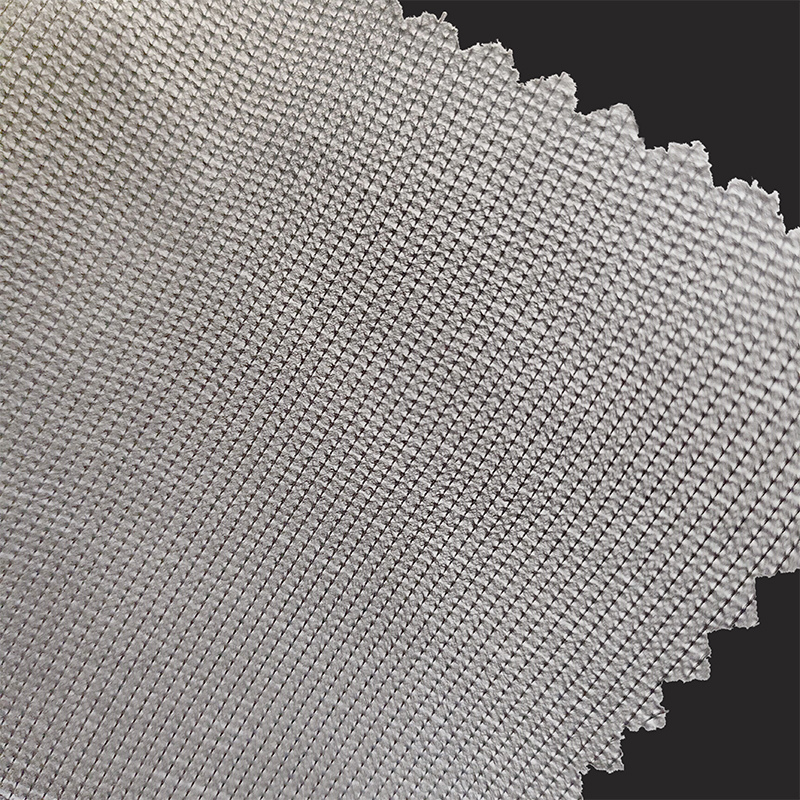
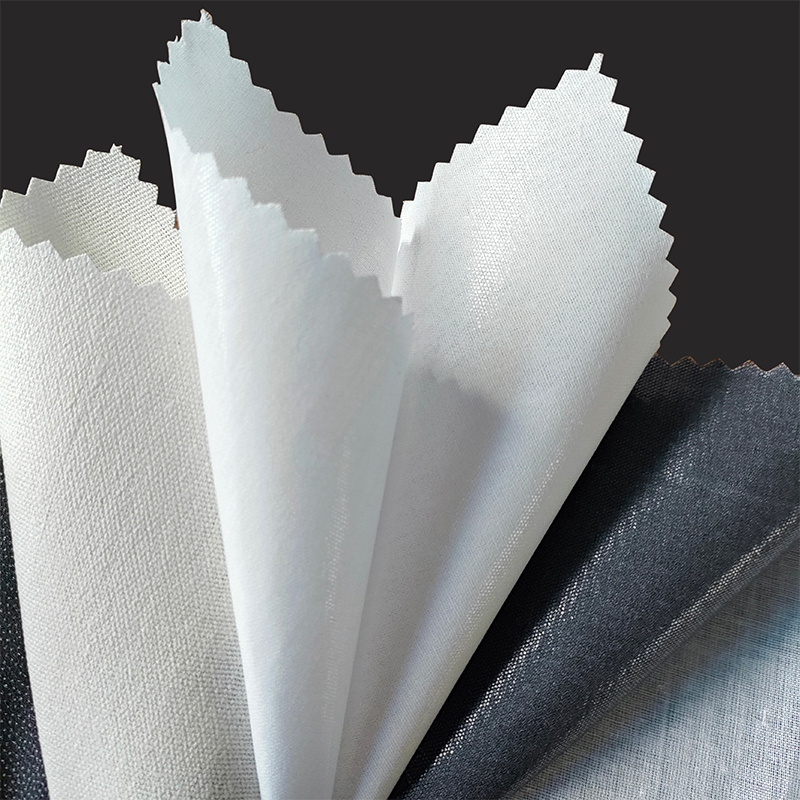
What is interlining fabric?
I. The "invisible skeleton" of fabrics
▸ The ultimate solution for limp and shapeless fabrics
Add interlining to a thin shirt collar, and it will remain crisp and upright even after twenty washes, unlike those without interlining that quickly become limp.
A silk cheongsam with interlining at the hem won't flutter when you walk, giving it an elegant and figure-flflattering look.
▸ The "remedy for regrets" for DIY enthusiasts
Interlining can hide imperfections in crookedly cut curtain fabric, making wrinkles disappear when hung.
Ironing interlining onto a hole in a sweater and then embroidering a flower transforms an old garment into a designer piece.
Do you use interlining fabric?
I. Interlining is essential in these situations
▸ For style, not just function
A suit lapel with horsehair interlining feels like a cloud supporting your neck, while cheap interlining feels like cardboard.
A canvas bag with stiff interlining on both sides stands upright even when empty, unlike soft fabric bags that collapse like rags.
▸ For reinforcement and durability
Sewing anti-tear interlining into the crotch of jeans prevents tearing during strenuous activities.
Ironing interlining onto embroidered patches on children's clothing prevents tearing and fraying.
II. Avoid interlining in these situations
▸ For a delicate look, avoid adding weight
Adding interlining to a chiffon dress makes it feel like umbrella fabric, preventing it from flowing in the wind.
Adding interlining to a lace wedding dress ruins the delicate petals, turning the romantic look into something artificial.
▸ Not for the lazy
Ironing fusible interlining requires a steady hand; too high a temperature leaves glue marks, and too low a temperature won't adhere properly.
Sewing interlining with crooked stitches can be frustrating to remove, leaving needle marks in the fabric.