 English
 Español
 Türk
Content
- 1 Lining vs. Underlining vs. Interlining: What Is the Difference?
- 2 Why Add a Lining to a Garment? Six Concrete Benefits
- 3 Common Lining Materials and How to Match Them to Your Garment
- 4 Full Lining, Half Lining, and Underlining: Where Each One Works Best
- 5 How to Choose the Right Lining for Your Clothes: A Step‑by‑Step Guide
- 6 Interlining: The Structural Partner of Lining
- 7 Modern Interlinings: Fusing Technology and Nonwoven Materials
- 8 Six Common Lining Mistakes Buyers and Sewers Make
- 9 Frequently Asked Questions About Lining in Clothing
In sewing and tailoring, a lining is an inner layer of fabric set into a garment, bag, coat, or skirt to cover the raw seams and paint a clean finish on the inside. It is cut separately from the outer shell and attached along the same main seams, hanging freely inside the garment. If you have ever turned a jacket inside out and seen a smooth, slippery fabric covering the inner seams and the back of the fabric, that is a lining.
Linings are not decorative extras or afterthoughts. They fundamentally change how a garment behaves. A proper lining reduces friction between your clothing and what you wear underneath, so a wool blazer slides easily over a cashmere sweater instead of sticking to it. It helps a skirt drape evenly and prevents a bulky fabric from stretching out of shape. For summer dresses, a cotton or cupro lining absorbs moisture and prevents the outer fabric from becoming see-through; for winter coats, it traps an extra layer of air and gives warmth without adding visible bulk.
This article is written from the perspective of a garment-accessory supplier with more than two decades of manufacturing experience, meaning we focus not just on the definition but on choosing, applying, and sourcing linings and interlinings correctly.
Lining vs. Underlining vs. Interlining: What Is the Difference?
People often use “lining” as an umbrella term, but in professional garment production, lining, underlining, and interlining are three entirely different layers. Using the wrong one can ruin the hand feel and structure of your garment.
| Feature | Lining | Underlining | Interlining |
|---|---|---|---|
| Where it is placed | Innermost layer, hides inner seams | Directly behind the outer shell, sewn to it as one unit | Between the outer shell and the lining |
| How it is attached | Independent layer, sewn into side seams | Tacked or edged together with the outer fabric before assembly | Fused with adhesive or stitched into place |
| Key purpose | Comfort, slip, opacity, interior finish | Gives body and opacity to thin fabrics | Adds warmth, shape, stiffness, or structural support |
| Fabric type examples | Cupro, viscose, silk, polyester taffeta | Cotton batiste, organza, light wool | Woven fusible, nonwoven fusible, fleece, wool |
| Visible from outside | No, but affects drape | Often invisible once sewn | Usually invisible, but critical to silhouette |
According to the Wikipedia article on lining (sewing), a lining is typically made from smooth materials so that it can be put on and removed easily. The same entry distinguishes between interlining, which is used for warmth or as a stiffener, and underlining, which is sewn to the back of the fabric to support it. The most common misuse is labelling any internal layer as a lining. In reality, interlining is a closer cousin to our own product range, which includes fusible woven and nonwoven interlinings.
Why Add a Lining to a Garment? Six Concrete Benefits
Unlined garments look fine when they are brand new, but they lose shape quickly and take on awkward stress marks after a few wears. A lining is a functional investment. Here are six specific ways a lining improves the performance of clothing:
- Shape retention: A lining gives the outer fabric a stable backing layer. Wool coats and rayon dresses keep their intended silhouette because the lining absorbs the stress of wear, preventing the outer material from stretching out at the elbows, seat, and knees.
- Comfort against the skin: Rough materials such as wool, tweed, and heavily textured bouclé feel itchy directly on the skin. A smooth lining acts as a barrier while still allowing the outer fabric to provide warmth.
- Reduced friction and improved layering: When you wear a lined blazer over a silk blouse, both garments slide past each other easily. This reduces bunching and wrinkling throughout the day.
- Opacity for sheer fabrics: Lightweight summer fabrics like chiffon, georgette, and white twill can be semi-transparent. A lining in a matching tone removes transparency without changing the visual colour of the outer fabric.
- Clean interior finish and durability: All the seam allowances, overlocked edges, and raw encasings are hidden behind a lining. This also protects those seams from friction and dramatically lengthens the garment’s useful life.
- Thermal comfort in both seasons: A DBL‑faced lining or a brushed interlining adds insulation for winter coats, while a cotton or cupro lining absorbs perspiration in summer jackets and workwear.
Common Lining Materials and How to Match Them to Your Garment
There is no universal lining. The right choice depends on the outer cloth, the garment type, the intended season, and the care method. Below is a practical table to help you match lining resources to clothing categories:
| Lining material | Characteristics | Best for |
|---|---|---|
| Cupro (Bemberg type) | Smooth, breathable, static‑free, moisture absorbing | Jackets, blazers, coats, tailored trousers |
| Viscose / rayon | Soft drape, good breathability, moderate slip | Dresses, skirts, jackets |
| Silk habotai | Luxurious, lightweight, natural protein fibre | Formal wear, dresses, lightweight jackets |
| Polyester taffeta | Firm, wrinkle‑resistant, low cost, crisp finish | Jackets, backpacks, casual coats |
| Cotton batiste | Breathable, natural, softens with washing | Casual shirts, summer dresses, children’s clothing |
| Satin acetate | Shiny face, silky hand feel, good price point | Eveningwear, blouses, skirts |
| Wool lining | Insulating, resilient, richer hand feel | Winter coats, cape coats, heavy outwear |
For manufacturers and brands, one of the most frequently overlooked points is that the lining must be pre‑shrunk before cutting. A lining that shrinks 2–3% after its first wash will pull at the seams and create bubbles next to the outer shell. Many professional pattern makers recommend cutting the lining with a slightly larger ease allowance than the shell, because smooth lining fabrics tend to hang straighter and do not give as the outer fabric may give.
Full Lining, Half Lining, and Underlining: Where Each One Works Best
Not every garment needs a full lining. The coverage of the lining affects both the cost and the performance. Professional sewers generally recognise three main coverage levels:
- Full lining: Covering the entire interior of the body of the garment, including sleeves, skirt, or trouser legs. This gives the cleanest finish and the strongest engineering support. It is the standard for jackets, blazers, coats, and most tailored skirts. Full lining adds approximately 15–25% to the total fabric consumption compared to an unlined garment, but it significantly extends the life of the garment.
- Partial lining (also called half lining): Covering only the upper part of the body or specific panels, where the largest friction points exist. For example, a half‑lined jacket shows interior seams in the lower back, but feels lighter and cooler than a full lining. It is often used for summer suits, where judgement support is still needed, but constant airflow is more important.
- Underlining: Unlike a traditional lining, underlining is sewn directly onto the back of each outer fabric pattern piece as if the two layers were one single cloth. This is the correct technique when you want to keep the exact softness of the outer material but improve its opacity, stability, and stitching hold. Underlining prevents seams from digging into the outer cloth and is often used for lace dresses, sheer silk tops, and A‑line skirts.
In addition to coverage, there are detachable lining systems such as zip‑in liners used in three‑season coats. These are not exactly the same as a garment lining; they behave more like a removable interior shell that can be washed separately. For outdoor clothing brands, detachable liners offer year‑round versatility, but they require special zip tape and temporary stitches during production, which increases both labour time and quality control skill.
How to Choose the Right Lining for Your Clothes: A Step‑by‑Step Guide
Choosing a lining goes beyond liking the colour or the touch. You need to assess the character of the outer shell and the expected wearing conditions. This is how our technical team recommends approaching the selection process for a new garment style:
- Weigh the outer fabric. For an outer fabric below 170 g/m², choose a lightweight lining such as cupro, silk habotai, or viscose. For mid‑weight fabrics between 200 and 350 g/m², use a conventional polyester taffeta or cupro. For heavy coat fabrics above 400 g/m², consider a brushed lining or an additional quilted interlining.
- Check the colour bleed. If you use a lining with a high indigo or reactive dye on a light‑coloured shell, the lining may stain the outer fabric when you sweat. Always run a wet crocking test before bulk production.
- Match the care label. If the outer garment is machine‑washed at 40 °C, the lining must tolerate at least the same temperature. Many silk linings require dry cleaning only, which changes how consumers perceive the price and convenience.
- Check static electricity. Synthetic linings are highly prone to static in dry climates. Cupro, viscose, and cotton are better options for knitted dresses or garments that will be worn directly over tights. You can also ask your interlining supplier for a stabiliser that prevents the lining from slipping inside the garment.
- Do not overpower the drape. When you hold the outer fabric and the intended lining together, drop both ends from your hand: if the bottom edge tilts heavily to one side, the lining is too heavy. A lining should never control the movement of the shell.
- Plan the seam allowance interaction. The lining should be slightly bigger in the cross‑shoulder, often by 1–1.5 cm for a jacket, to release tension when you move your arms. In straight skirts, the lining should be 1.5 cm shorter than the shell to avoid peeking below the hem.
Interlining: The Structural Partner of Lining
Now we arrive at the layer that sits between the outer shell and the lining: the interlining. Interling can provide warmth, shape support, or stiffness depending on how it is manufactured. While a lining gives comfort, the interlining gives the architecture that makes a collar stay sharp, a placket stay flat, and a waistband resist rolling. According to our own factory experience, the interlining you choose determines whether a shirt keeps its collar shape after twenty laundering cycles. Many brand buyers only focus on the outer shell while neglecting the interlining; later, the garment collapses with “memory wrinkles” that regular ironing cannot remove.
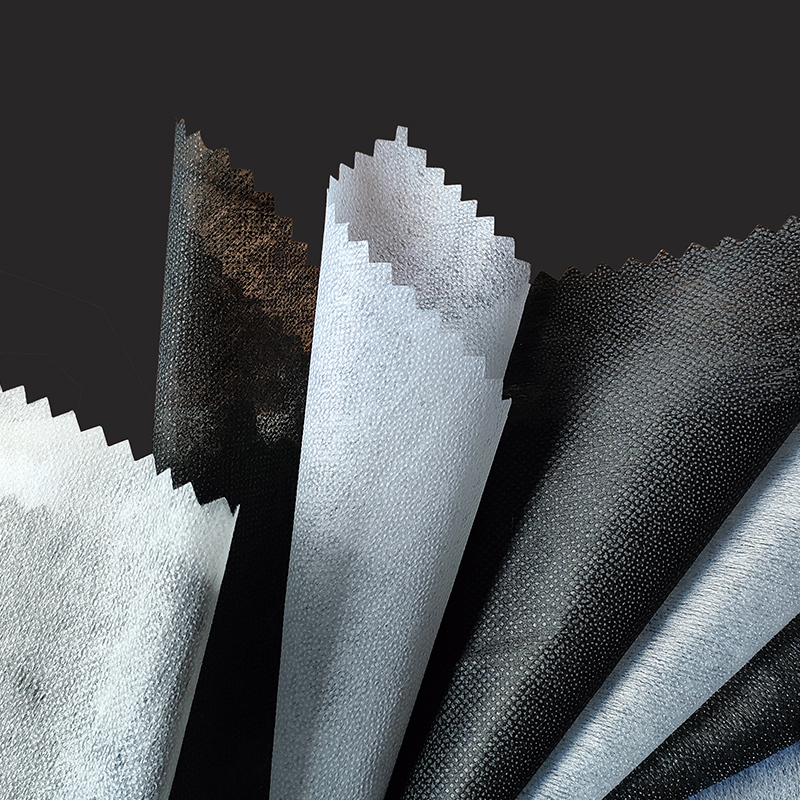
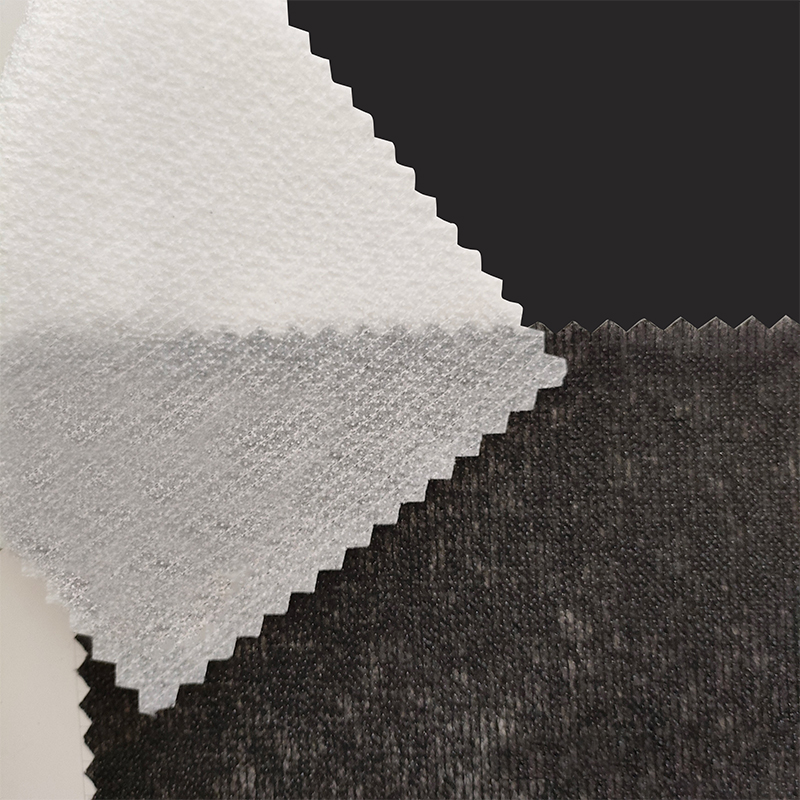
Nonwoven interlinings are made by bonding fibres together using chemical, thermal, or stitch‑bonding processes rather than weaving. They are typically used in areas that do not require high elasticity, such as front panels of jackets, and they provide excellent stiffness and resistance to washing. In comparison, woven interlinings are used on front plackets, collars, and cuffs, where the fabric needs to bend in one direction without folding permanently. A high‑quality shirt collar, for example, uses a woven interlining that fuses perfectly to the outer face fabric and stays separated from the lining inside.
If you are sourcing interlinings for a production line, be aware that most fusible interlinings come with an adhesive coating on one side. The coating grain, dot density, and activation temperature must match the outer fabric’s heat tolerance. For this reason, interlining manufacturers usually classify their products into a series of melting temperatures, ranging from around 100 °C to 160 °C.
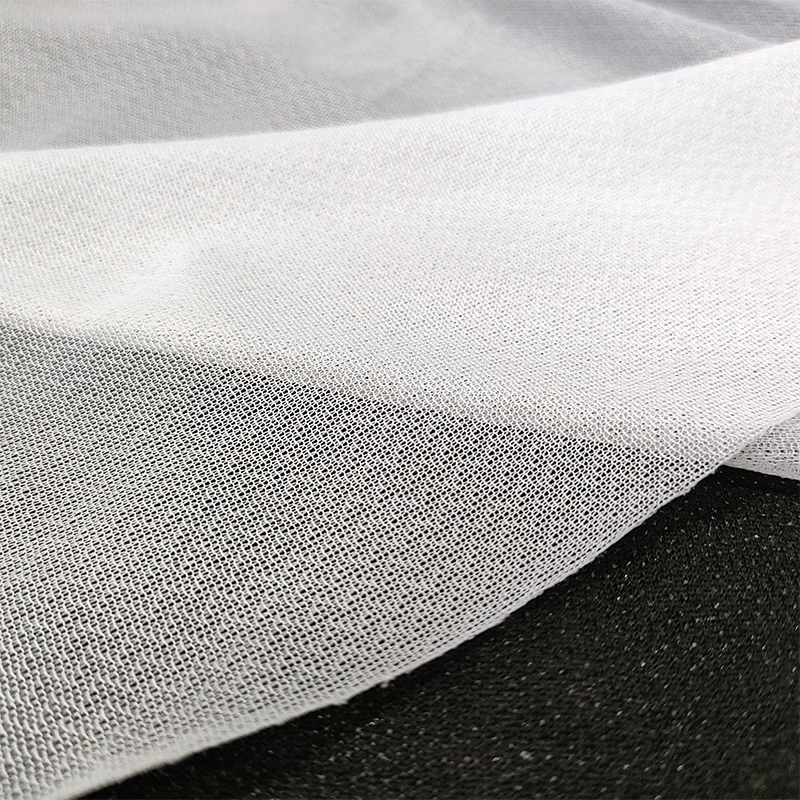
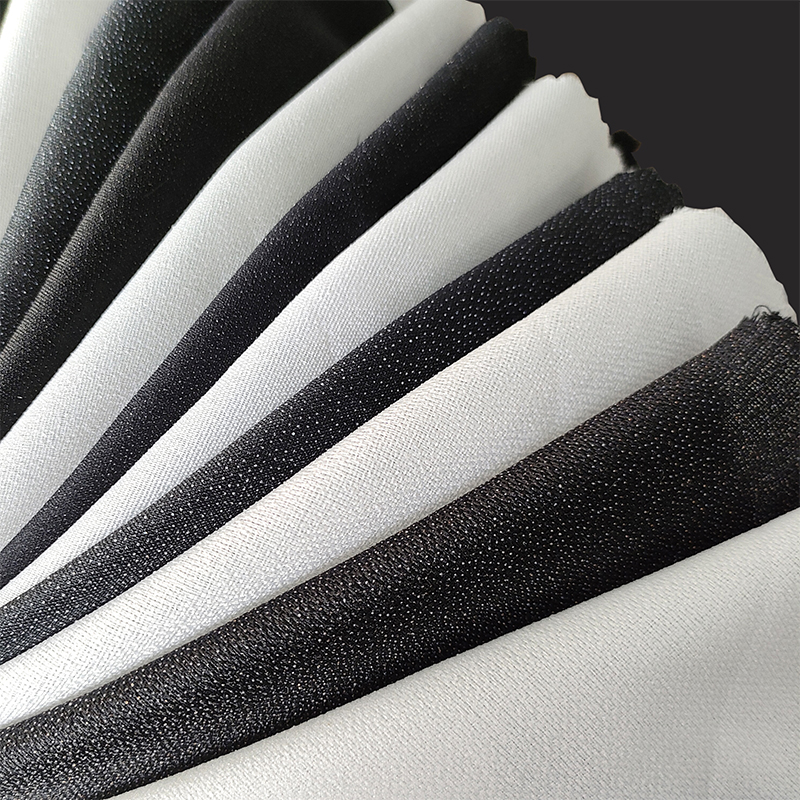 Woven Plain and Twill Fusible InterliningThis woven interlining offers good abrasion and wrinkle resistance with a flat, stable finish. Its warp-and-weft construction follows the shell fabric, making it suitable for shirt collars, jacket fronts, and formal trousers.View Product →
In our own production, woven plain and twill interlinings are selected for shirt collars, jacket fronts, and formal trousers. The woven construction lets the interlining stretch in the same way as the shell, which avoids the stiff, board‑like effect of a nonwoven interlining on a smooth garment panel. For more technical applications, you can combine several interlinings in one garment: a nonwoven interlining to front panels for support, and a knitted interlining to the inner placket for rebound.
Modern Interlinings: Fusing Technology and Nonwoven Materials
The interlining market has moved a long way from the woven horsehair canvasses that tailors still use for bespoke suits. In modern garment factories, most interlinings are heat‑activated, which allows a pressing machine to fuse an entire front panel in about twelve seconds. Heat‑activated interlinings affect not just the shape of clothing but also the way a garment behaves when you move. A well‑fused interlining should not delaminate, bubble, or stiffen excessively after dry cleaning.
The most commonly used modern subdivision is the group of chemically bonded nonwoven interlinings, which use an acrylic or synthetic binder to lock the fibres together. They are the first choice for mass‑produced jackets because they can be cut into complex shapes without fraying and are more affordable than woven interlinings. Our own chemical‑bond nonwoven interlinings are manufactured using a double‑dot coating line, a process that produces fine adhesive dots on the linings so that the adhesive melts evenly and stays flexible after fusing.
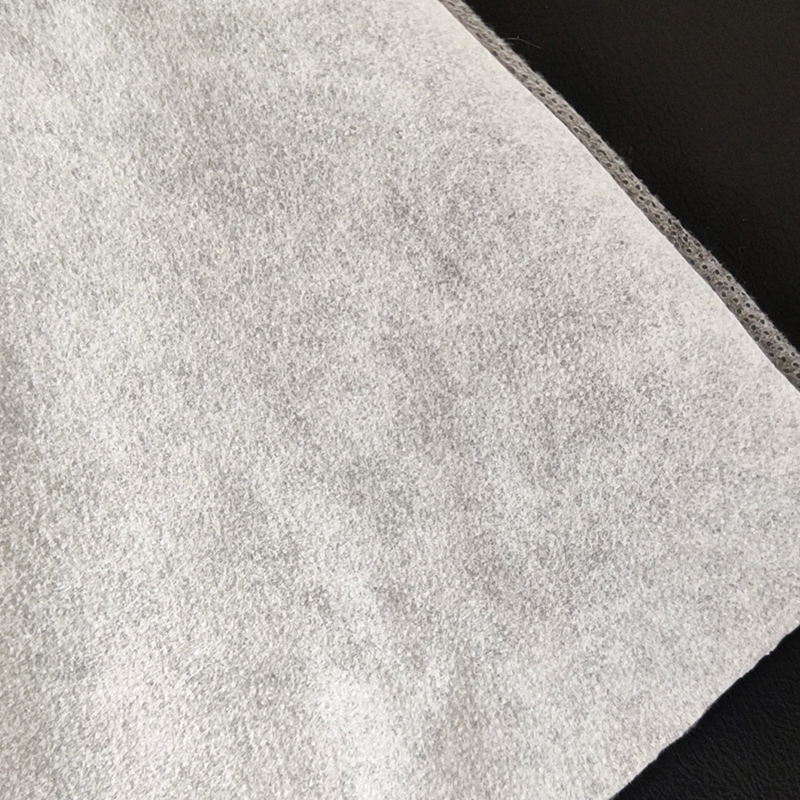
Another relevant category is the stitch‑bond nonwoven interlining, which is assembled by stitching a fibre web together with fine needles. This intermediate structure gives some of the softness and drape of a woven cloth while retaining the dimensional stability of a nonwoven product. Stitch‑bonded interlinings are often used in women’s coats with a boil‑wool shell, where a regular fusible would be too heavy and a woven interlining may be too rigid.
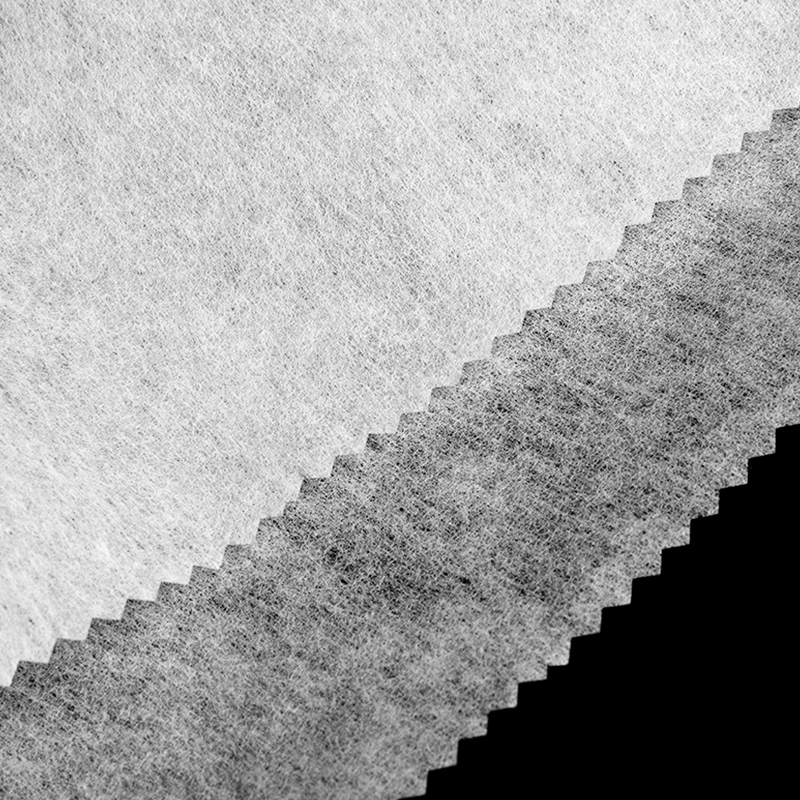 Chemical Bond Nonwoven InterliningMade mainly from polyester, this nonwoven interlining withstands high-temperature processing up to 260°C and comes in various feels and breathability levels. It is commonly used in clothing linings and filter materials, offering a lightweight alternative to woven types.View Product →
In addition to interlinings, there is a specific technical family called embroidery stabilisers. Although these are not garment linings, they serve a similar visual purpose during embroidery: they support the ground fabric so that embroidery stitches remain crisp without puckering. If you produce embroidered apparel, a stabilising backing that tears away, washes away, or is cut away will significantly reduce the rejection rate you face in the factory.
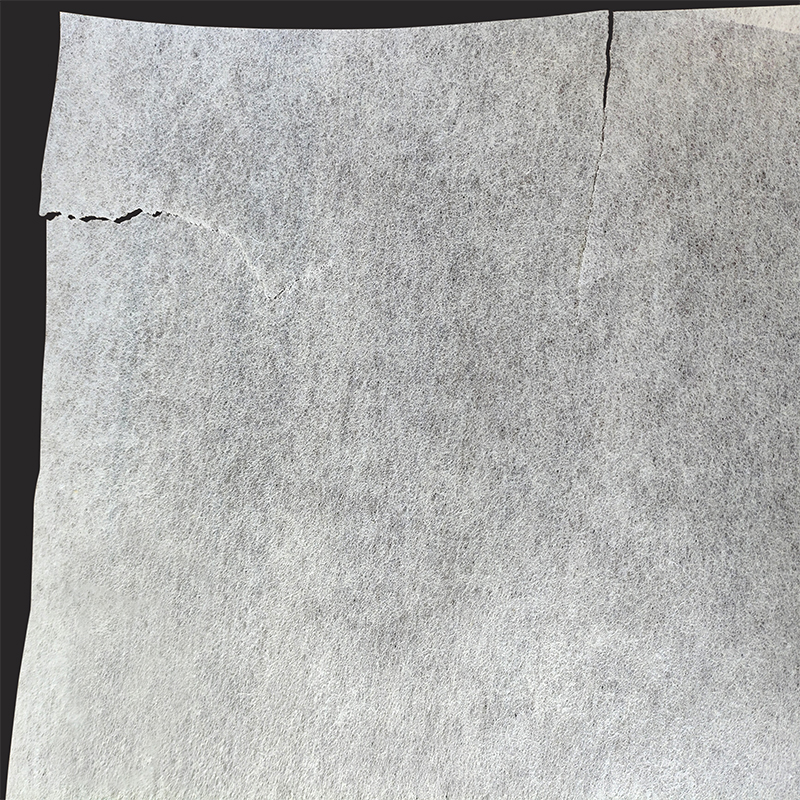 Two-Side Tearaway Crisp Polyester Embroidery BackingThis tear-away backing supports embroidered fabric to keep stitches crisp and prevent puckering. Designed for use under garments, it tears away cleanly after embroidery, helping reduce production rejection rates.View Product →
Many embroidery projects use a tear‑away backing placed directly underneath the garment. After the embroidery is complete, the excess backing is torn away from the stitching, leaving a clean backside. Using a high‑quality duplicate‑bonded polyester backing prevents the backing from tearing at the wrong moments and blocking the needle.
Six Common Lining Mistakes Buyers and Sewers Make
Choosing or applying a lining involves more careful thought than many people expect. These are the most common mistakes we see in garment factories and in the atelier:
- Mistaking lining for interlining. If you insert a woven, fusible interlining into the entire body of a garment, you will build a coat that feels like armour and moves awkwardly. The interlining is meant for targeted stiffening of collars, lapels, plackets, cuffs and waistbands, not for full‑body conforming.
- Choosing a lining that is too heavy. When the lining weighs more than the outer shell, the garment eventually turns to the front and folds badly at the hem. The ratio should always remain lower than 70% of the shell weight for most tailored garments.
- Using a shiny polyester lining for summer clothing. Shiny polyester does not absorb moisture and will feel sticky when the temperature reaches 28 °C or more. A better alternative for summer garments is a viscose lining treated with a static‑control finish, or a cupro lining if budget allows.
- Setting the lining with too high tension. During sewing, the lining moves smoothly on top of the machine bed, while the outer fabric resists and stretches. If the operator pulls the lining flat, it becomes 1–2 cm shorter than the shell after sewing, which creates unbalanced seams across the shoulder blades. The solution is to ease the lining, not stretch it.
- Ignoring seam allowance handling at vents. In a vented skirt or jacket, the lining should not be glued directly to the vent edges. A box‑pleat in the lining gives the necessary ease so that the vent can open freely. Many pattern drafting courses advise adding a 2.5 cm pleat at the centre‑back vent.
- Neglecting the storage effect on fusible linings. Some fusible linings absorb humidity during storage, which distorts the adhesive particles on the coating. When the lining is later pressed using a temperature that is suitable for the dry board, the excess humidity causes blistering. Keeping fusible interlinings in sealed polybags reduces this by about 85%.
Frequently Asked Questions About Lining in Clothing
Can you use any type of fabric as lining?
Technically, yes, you can, but functionally not every fabric is suitable. If the lining fabric is too heavy, it pulls down the garment. If it is too stretchy, it creates wrinkles. If it is not pre‑shrunk, it will pucker after washing. We recommend adhering to specific lining fabrics such as cupro, viscose, silk, and polyester batiste.
Is interlining the same as lining?
No. A lining is a complete interior layer that covers seam allowances and improves slip between layers. An interlining is a structural layer placed between the outer fabric and the lining, improving sturdiness, thermal insulation, or a certain shape. Interlining is frequently fused or sewn only onto specific parts of a garment like the collar, cuffs, and placket, while the lining covers the whole body.
What is the difference between underlining and interlining?
Underlining is attached directly to the back of the outer fabric and becomes part of that same piece. It gives body, opacity, or reinforcement without adding an independent interior layer. Interlining, in contrast, sits between the outer and lining and is almost always selected for thermal insulation or shape accuracy, not merely to support the outer fabric from below.
How much extra fabric is needed for a lining?
On average, you need between 1.5 and 2.5 metres of lining fabric to line a basic jacket or dress, depending on size, silhouette, and whether the lining includes sleeves. For a straight skirt, the lining usually consumes about 0.6 times the length of the shell fabric, but this can change if the skirt has a full pleat or side panels.
Does a lining change the care instructions of a garment?
Yes. If the outer fabric is machine washable but the lining is dry‑clean only, the garment must be dry cleaned or hand washed. Always test both the shell and the lining with the same cleaning method before confirming a production order. Many factories offer to pre‑treat the lining to make it machine washable, but that process adds cost.
What is the best lining for a wool coat?
Cupro, viscose, and silk habotai are all excellent linings for a wool coat. Cupro offers the best combination of gliding ability, breathability, and moisture absorption. If you are producing budget‑conscious outerwear, a soft micro‑polyester taffeta is also acceptable, though a quarter of the lining remains exposed depending on pattern.