 English
 Español
 Türk
Content
- 1 What a Wedding Dress Waist Stay Actually Does
- 2 Why Waist Stay Failures Start in the Interlining, Not the Ribbon
- 3 Choosing the Right Interlining for Bridal Bodices and Waist Stays
- 4 How to Build a Waist Stay That Holds Through the Ceremony
- 5 Fit and Comfort: Tolerances, Ease, and Movement
- 6 Fabric and Lining Interactions You Should Test First
- 7 Common Waist Stay Problems and Fixes
- 8 Waist Stay for Different Silhouettes
- 9 Pre-Production Checks for Bridal Manufacturers
- 10 Sourcing Interlining and Stabilizers for Bridal Programs
- 11 FAQ
- 11.1 What is a waist stay in a wedding dress?
- 11.2 Do all wedding dresses need a waist stay?
- 11.3 Should a waist stay be elastic or grosgrain?
- 11.4 How tight should a waist stay be?
- 11.5 Will a waist stay stop a strapless dress from falling?
- 11.6 What interlining works best for a waist stay?
- 11.7 Can a waist stay be added to an existing dress?
- 11.8 How do you test a waist stay before the wedding?
- 12 Final Takeaway
A bride lifts her arms for a photograph, turns to hug a guest, or steps into a car, and the bodice of her strapless gown shifts downward. The zipper is closed, the boning is in place, and the dress still moves in a way it should not. In most cases, the missing part is not more boning or a tighter zipper. It is a wedding dress waist stay, a hidden inner band that anchors the gown at the natural waist and carries the weight of the bodice instead of letting it hang from the neckline or zipper.
The direct conclusion is simple: a waist stay is one of the highest-value construction details in a bridal gown, especially for strapless, off-shoulder, and heavily beaded silhouettes. It is also only as good as the materials around it. The ribbon, elastic, fusible interlining, lining, and stitching all work together. If the interlining is too soft, too stiff, or wrongly fused, the stay can pull through the fashion fabric, create ridges, or lose its grip after a few hours of wear. If the stay is sized correctly and supported by the right interlining, the gown stays in place with far less pressure on the body.
This guide explains what a waist stay does, how to choose interlining for it, how to build and test it, and which problems show up most often in bridal production. The focus is practical: measurements, tolerances, material behavior, and the checks that prevent a beautiful gown from becoming a fitting problem on the wedding day.
What a Wedding Dress Waist Stay Actually Does
A waist stay is an internal band sewn into the inside of a gown at the natural waist. It is usually made from grosgrain ribbon, petersham, or wide elastic, and it fastens at the center back or center front with hooks and eyes, hook-and-bar closures, or a small buckle. The band is anchored at the side seams and sometimes at the center back seam. It does not show when the dress is worn, but it changes how the dress feels immediately.
The stay works by transferring the weight of the bodice to the waist, which is one of the strongest and most stable parts of the torso. Without it, a strapless gown depends on the fit of the neckline, the grip of silicone tape, or the tension of the zipper. With it, the gown has a fixed point that stops upward and downward movement. The bride can breathe, sit, and raise her arms without constantly pulling the dress back into position.
The stay also protects the gown itself. When a heavy bodice pulls downward, the stress lands on the zipper, the bodice seams, and the boning channels. Over a long event, that stress can cause seam distortion, broken stitches, or a zipper that starts to gap. A waist stay spreads that load across a wider area. For gowns with beading, lace appliqué, or delicate tulle, that reduction in stress is not a small detail. It is what keeps the dress looking the same at the end of the night as it did at the first fitting.
Why Waist Stay Failures Start in the Interlining, Not the Ribbon
A common mistake in bridal construction is to focus on the ribbon and ignore the interlining. A strong grosgrain ribbon can still fail if the fashion fabric stretches, the fusible interlining delaminates, or the waist seam has no body. The stay pulls against the fabric every time the bride moves. If the fabric around it is soft and unstable, the stay will eventually create a ridge, a pucker, or a hole at the anchor point.
Interlining gives the waist area structure and memory. It prevents the fashion fabric from stretching out of shape, and it helps the stay distribute pressure instead of concentrating it at a few stitches. In a strapless gown, the interlining also supports the upper bodice so the waist stay is not fighting against a collapsing neckline. The right interlining makes the stay more effective with less tightness, which is better for comfort and better for the gown.
| Interlining type | Hand and body | Best bridal use | Watch-outs |
|---|---|---|---|
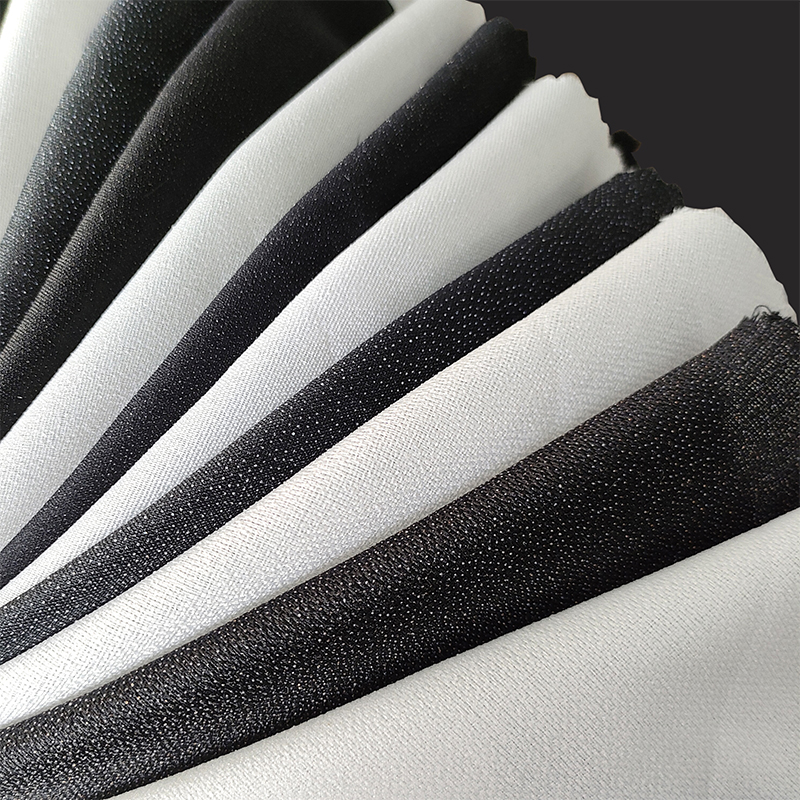
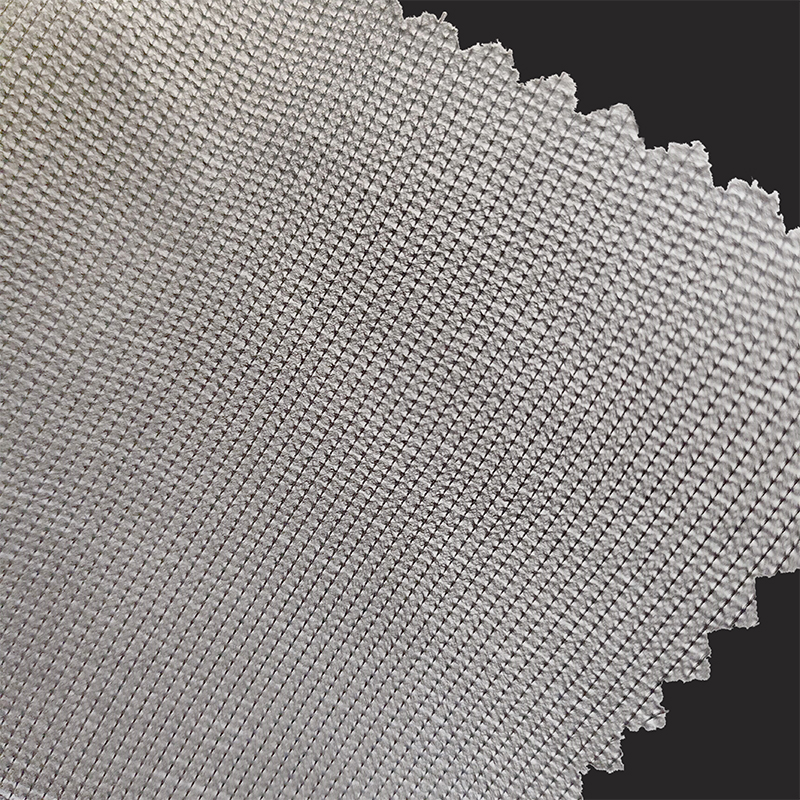
| Woven canvas or hair interlining | Firm, structured, molds over time | Corseted bodices, strapless waist stays, heavy gowns | Can add bulk at the waist seam; needs steam and shaping |
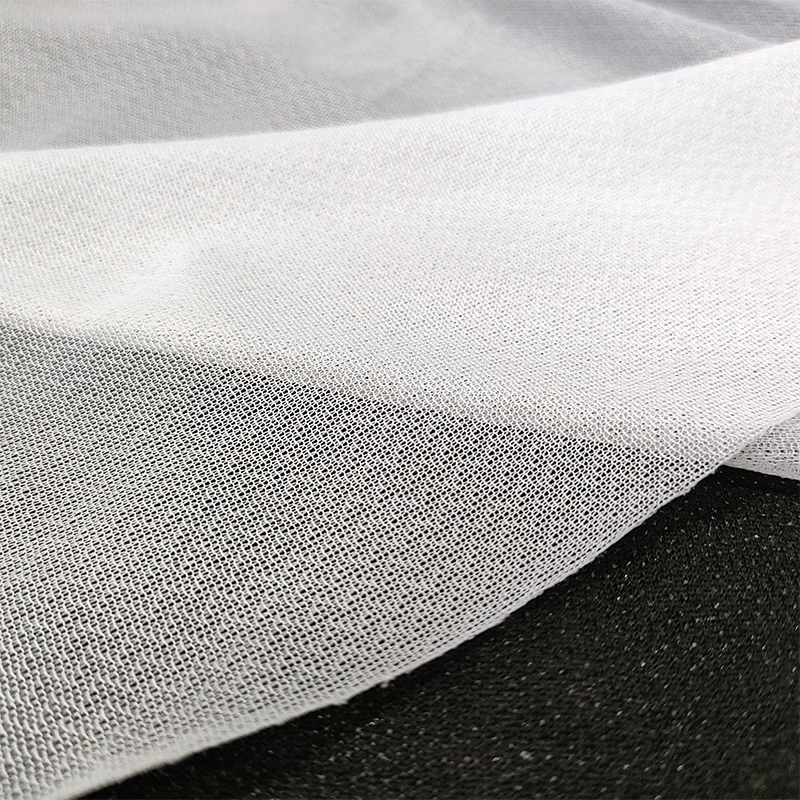
| Warp knit interlining | Soft stretch and recovery | Stretch lining, mermaid gowns, fitted bodices | Too much stretch can let the stay migrate upward |
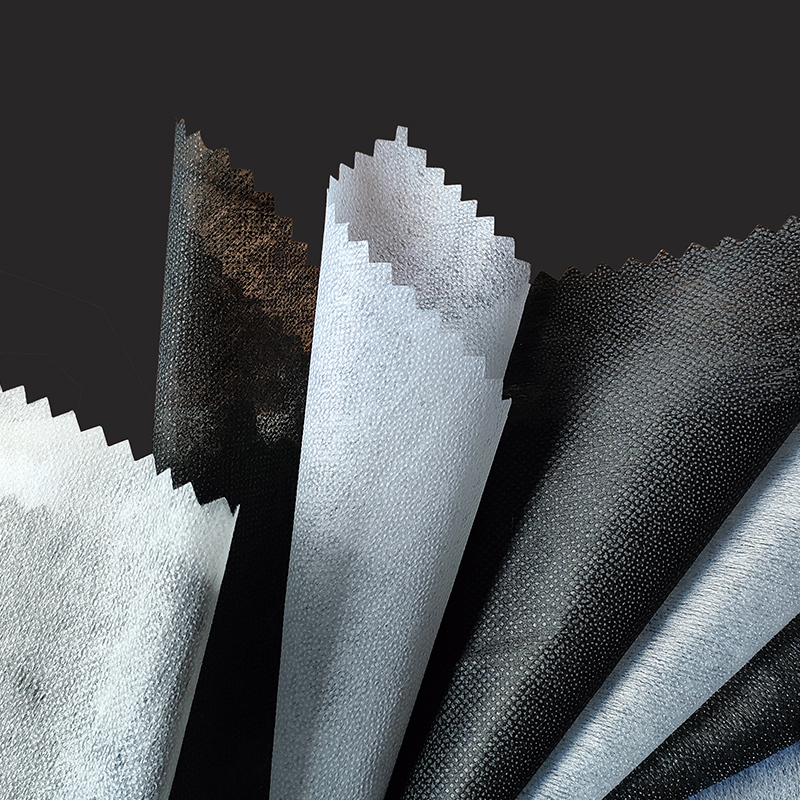
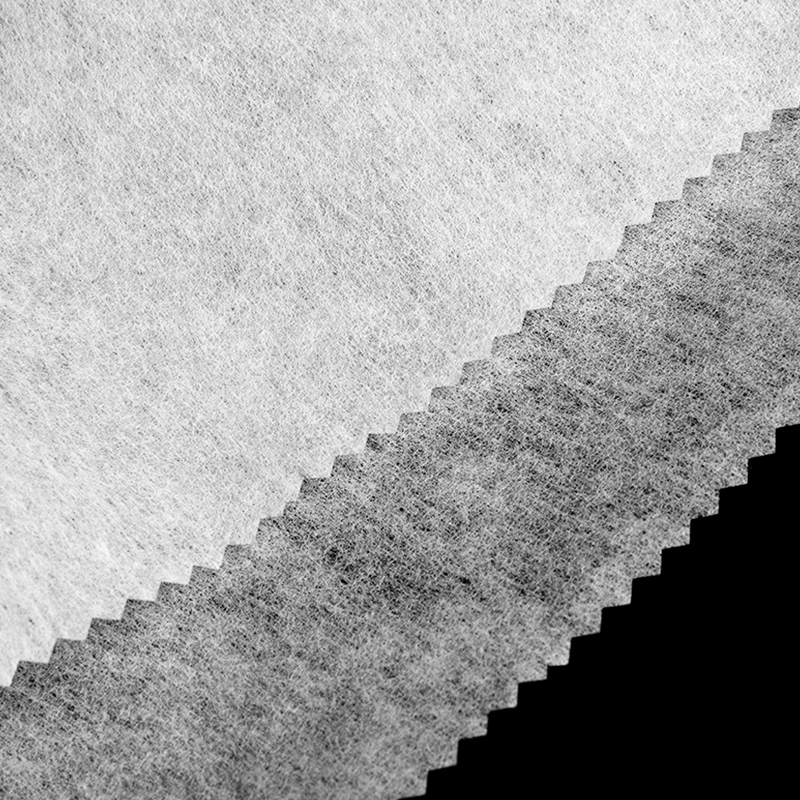
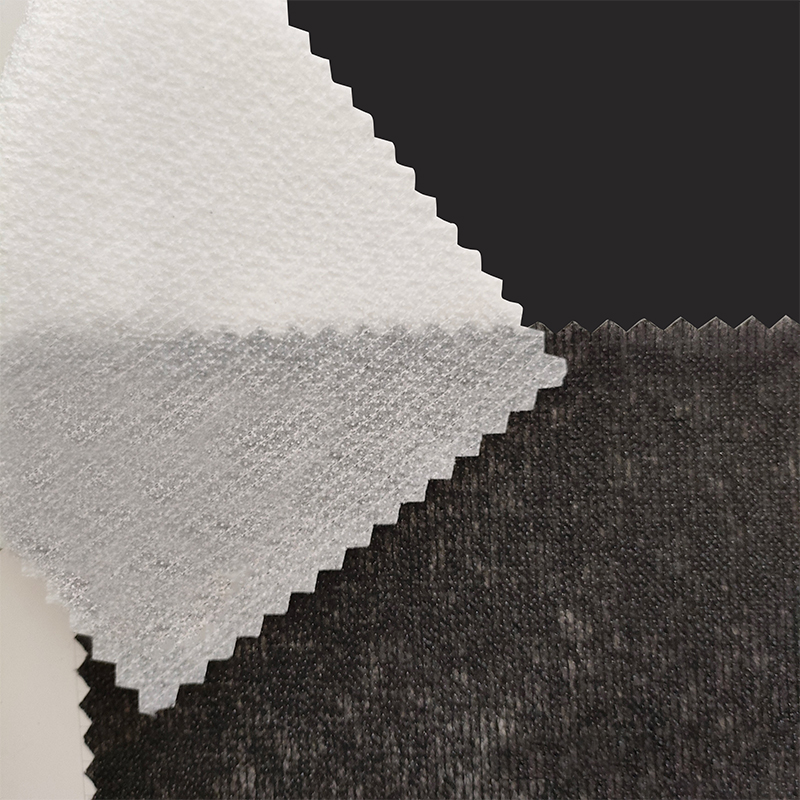
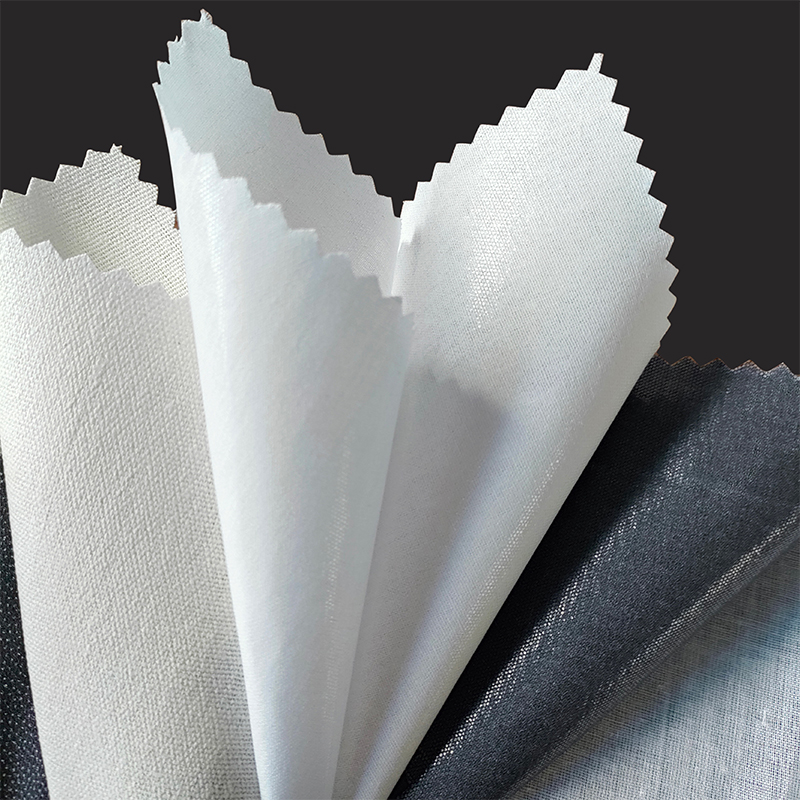
| Thermo-bond nonwoven interlining | Light, crisp, economical | Lightly structured A-line and sheath waistbands | Heat and pressure must match fabric; can bubble if over-fused |
| PP TPU elastic interlining | Elastic, soft, returns to shape | Hidden elastic waist stays and comfort bands | Not a substitute for a stable waist seam |
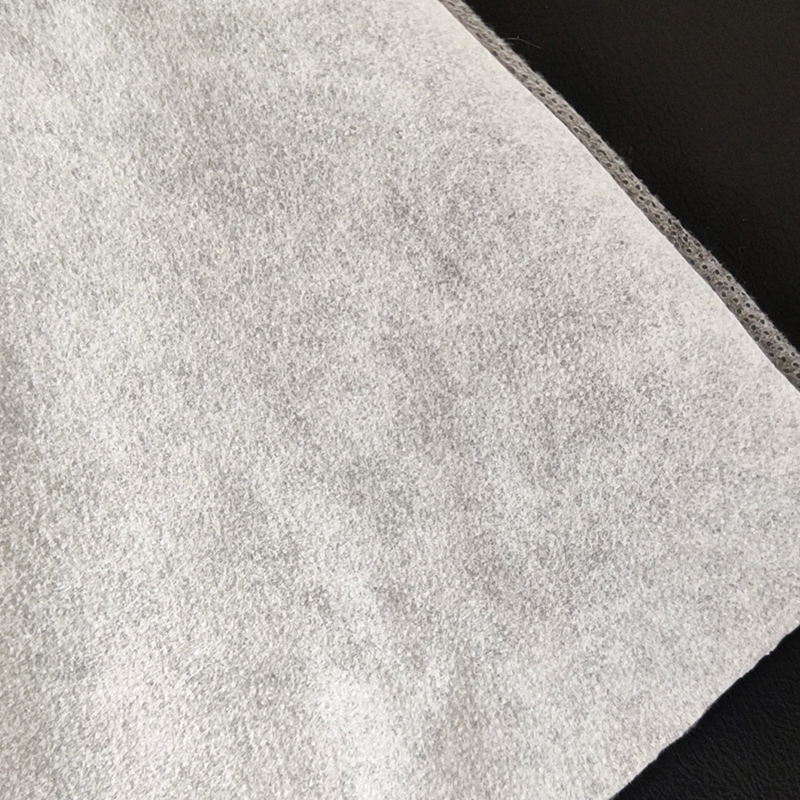
| Chemical bond nonwoven interlining | Soft, low cost, stable in one direction | Test garments and non-stress panels | Usually not enough for a load-bearing waist stay |
Choosing the Right Interlining for Bridal Bodices and Waist Stays
Woven canvas and hair interlining for structure
When the gown needs a defined waist and a firm bodice, woven canvas or hair interlining is often the best base. It holds its shape, supports a heavy skirt, and gives the stay a stable surface to anchor into. The trade-off is bulk. The waist seam must be trimmed carefully, and the interlining should be shaped with steam before assembly so it curves with the body instead of forming a hard ridge. In tailored bridal work, this is the material that lets a strapless gown feel secure without relying on tightness alone.
Warp knit and circular knit interlining for stretch
Stretch lining and close-fitting silhouettes need an interlining that moves. Warp knit and circular knit interlinings offer recovery, so the waist stay does not fight the fabric. They are useful in mermaid gowns, stretch crepe dresses, and bodices that must follow the body. The key is to match the stretch direction to the gown. If the interlining stretches in the same direction as the lining but recovers better, the stay remains stable without making the dress feel rigid. If it stretches too much, the stay can slide upward during the event.
Thermo-bond nonwoven interlining for light control
Lightweight A-line and sheath gowns often do not need a heavy canvas. A thermo-bond nonwoven interlining can add just enough crispness to the waistband, keep the stay from rolling, and preserve a soft drape. The important variable is fusing. Too much heat or pressure can flatten the loft of the fabric or create bubbles that show through satin. Always test on a scrap of the actual fashion fabric, lining, and interlining stack. The goal is a clean bond with no strike-through and no shine.
PP TPU elastic interlining for comfort
Some brides want the security of a waist stay without the feel of a firm band. Elastic interlining and wide elastic stays can provide gentle support with more give. This approach works well in soft gowns, destination dresses, and silhouettes that are not heavily boned. It is not a replacement for structure in a strapless ball gown, but it can improve comfort in a lighter dress. The elastic should be anchored at the side seams and checked for recovery after repeated stretching.
For a deeper look at how woven interlining behaves in garment manufacturing, this article on woven interlining in garment manufacturing explains why structure, grain, and fusing control matter long before the first fitting.
How to Build a Waist Stay That Holds Through the Ceremony
The construction sequence matters because the stay must sit inside the lining and attach to the waist seam without twisting. A practical bridal method is to build the stay as a separate band, fit it on the body or dress form, and then anchor it at the side seams. The following sequence works for both grosgrain and elastic stays, with small adjustments for stretch.
- Measure the bride at her natural waist, not at the waistline of the gown. The stay should sit at the narrowest point, which is usually above the navel and below the rib cage.
- Cut the stay 1 to 2 cm smaller than the gown waist seam for a firm hold. If the stay is the same size as the waist seam, it will not control movement. If it is more than 3 cm smaller, it can pinch, restrict breathing, or create a visible indentation through the dress.
- Choose width according to weight. A 2.5 cm grosgrain ribbon suits light gowns. A 4 cm petersham or elastic band distributes pressure better for heavy beaded bodices.
- Mark center front, center back, and both side seams on the stay and on the gown lining. These marks prevent the band from rotating inside the dress.
- Attach the stay at the side seams first with two rows of stitching, about 2 mm apart. Then secure center back or center front with a hook and eye or hook-and-bar closure. Add bar tacks at the anchor points for reinforcement.
- For elastic stays, use a narrow zigzag stitch so the elastic can stretch without breaking the thread. For grosgrain stays, use a straight stitch and keep the ribbon flat against the seam allowance.
- Cover the raw ends with lining fabric or a small fold, then tack the stay to the lining at the side seams only. Do not stitch the entire band to the lining, or the stay cannot move independently and will pull the dress out of shape.
A well-built stay should feel snug but not painful. The bride should be able to take a full breath, sit down, and raise her arms without the band digging into her ribs. If any of those movements cause sharp pressure, the stay is too tight or the interlining is too stiff for the silhouette.
Fit and Comfort: Tolerances, Ease, and Movement
Waist stay sizing is a balance between control and comfort. A stay that is too loose does nothing. A stay that is too tight causes red marks, back pain, and a dress that feels like a constraint rather than a gown. In bridal fittings, a useful working tolerance is a stay circumference 1 to 2 cm smaller than the gown waist seam. This gives enough negative ease to hold the dress in place without compressing the rib cage. For very heavy gowns, the stay can be 2 to 3 cm smaller, but the interlining and boning must support that tension.
- Too loose: the gown rides up at the waist, the zipper gaps, and the bride pulls at the bodice.
- Too tight: the stay leaves marks, restricts breathing, and can cause the bodice to wrinkle above the waist.
- Correct fit: the stay sits flat against the body, the gown stays in place during arm movement, and the bride forgets it is there.
Test the stay with movement, not just standing still. Have the bride sit, reach forward, lift both arms, and take a deep breath. If the stay shifts, rolls, or creates a hard line under the dress, adjust the size or the interlining. A 5 mm change in circumference can make a noticeable difference in comfort, so do not treat the first measurement as final.
Fabric and Lining Interactions You Should Test First
Bridal fabrics react differently to fusible interlining, and the waist stay sits in one of the most stressed areas of the gown. Satin can show shine or bubbles if the fusing temperature is too high. Crepe can stretch and create a wavy waist seam. Chiffon and tulle need a very light hand or no fusible at all. Beaded and embroidered fabrics may need a separate backing to protect the beads from the iron. Stretch lining can recover after fusing but still lose shape after hours of wear.
Before production, fuse a sample of the exact fabric, interlining, and lining stack. Let it cool completely, then hang it for 24 hours with a small weight attached to the bottom. Check for separation, bubbling, and edge curl. Then flex the sample repeatedly to simulate sitting and standing. If the interlining lifts at the edge, the bond is not strong enough for a waist stay. If the fabric becomes stiff or shiny, the heat or pressure is too high.
Lace appliqué and embroidered motifs around the waist need special attention. A cold-water-soluble film can stabilize the embroidery or lace while it is stitched, then disappear after washing without leaving a stiff residue. This helps keep the waist area smooth while the stay does its job underneath. The same logic applies to any decorative layer that sits close to the waist seam: stabilize it during construction, remove the stabilizer cleanly, and make sure the final hand stays soft.
Common Waist Stay Problems and Fixes
- The stay rolls or folds over: the ribbon is too narrow or was not anchored at the side seams. Use a wider grosgrain or petersham, and tack the band at both side seams so it cannot twist.
- The gown still slides down: the stay is too loose, or the lining stretches. Reduce the stay circumference by 1 cm, or add a silicone-backed elastic inside the band for grip.
- The waist seam wrinkles: the interlining is too stiff or the stay is pulling at a single point. Soften the interlining, distribute the stitching across the side seams, and check that the stay sits at the natural waist.
- The hook digs into the back: the closure is too large or positioned on a bone. Use a smaller covered hook, or move the closure slightly to the side of the center back.
- The stay shows through the dress: the band is too wide, too thick, or too tight. Switch to a softer edge, trim the seam allowance, and smooth the interlining with steam before final assembly.
Waist Stay for Different Silhouettes
- Strapless ball gown: a firm woven interlining and a 4 cm grosgrain stay are usually necessary. The skirt weight is high, so the stay must transfer load to the waist.
- Mermaid gown: use a stretch-compatible interlining and a stay with slight give. The dress follows the hips and knees, so a rigid band can fight the silhouette.
- Sheath dress: a light thermo-bond interlining and a narrow stay are often enough. The goal is to stop waist migration without adding bulk.
- A-line gown: a medium-weight interlining and a 2.5 to 4 cm stay balance structure and comfort. This silhouette tolerates a firmer waist better than a bias-cut sheath.
- Off-shoulder gown: the stay keeps the neckline from being pulled downward by sleeve weight. Anchor it well at the side seams and test arm movement.
- Corset-back gown: the stay and the corset lacing must work together. A stay that is too tight can make the lacing gap uneven, so fit both systems at the same time.
Pre-Production Checks for Bridal Manufacturers
- Run a 24-hour hang test on a fused waist sample with a weight that represents the bodice load. Check for delamination, bubbling, and edge lift.
- Flex the sample repeatedly to simulate sitting, standing, and dancing. Look for cracking in the fusible coating or separation at the seam.
- Pull the stay anchor with a controlled force and inspect the side seam. The fabric should recover without a permanent ridge.
- Check the closure after 50 open-and-close cycles. Hooks should still align, and the bar tack should not loosen.
- Confirm that all skin-contact materials meet OEKO-TEX 100 or the brand's required safety standard. Bridal gowns sit against the body for hours, so material safety is part of comfort.
- Record the exact fusing temperature, pressure, and time for each fabric lot. Small changes in coating weight or fabric finish can change how the interlining bonds.
These checks are not only for quality control. They reduce returns and alterations. A waist stay problem discovered in production costs a few minutes. The same problem discovered after the final fitting can cost days, and it can damage the bride's confidence in the gown.
Sourcing Interlining and Stabilizers for Bridal Programs
Bridal production benefits from a supplier who understands the full material stack: woven interlining for structure, nonwoven interlining for light control, elastic interlining for comfort, and embroidery stabilizer for lace and appliqué. A one-stop supply chain reduces the risk of mismatched coating weights, inconsistent hand, and late substitutions that change the fit of the waist stay. For manufacturers, the practical question is not only price per meter. It is whether the interlining behaves the same way on the first roll and the tenth roll.
When evaluating an interlining supplier, ask for fabric-specific fusing recommendations, sample yardage for fit trials, and test reports for skin-contact materials. A supplier that can support woven, nonwoven, elastic, and stabilizer needs in one program saves time in sampling and reduces the chance of a last-minute material change. That consistency matters most in bridal, where a gown is fitted once and worn once, and there is no second chance to correct a waist stay that fails.
FAQ
What is a waist stay in a wedding dress?
A waist stay is an internal band sewn into the lining at the natural waist. It fastens with hooks, eyes, or a buckle and prevents the gown from sliding up or down. It also transfers the weight of the bodice to the waist, which is stronger and more stable than the neckline or zipper.
Do all wedding dresses need a waist stay?
No. A simple sheath with a secure shoulder line may not need one. But strapless, off-shoulder, heavy beaded, and ball gown silhouettes almost always benefit. If the dress has ever slipped during a fitting, a waist stay is the first detail to add.
Should a waist stay be elastic or grosgrain?
Grosgrain or petersham gives firm control and is common in structured gowns. Elastic gives more comfort and works well in soft or stretch silhouettes. The choice depends on the weight of the bodice and how much movement the bride wants. Some gowns use a grosgrain stay with a soft elastic cover for comfort.
How tight should a waist stay be?
A useful starting point is 1 to 2 cm smaller than the gown waist seam. It should feel snug but allow a full breath and comfortable sitting. If it leaves deep marks or restricts breathing, it is too tight. If the dress still moves, it is too loose.
Will a waist stay stop a strapless dress from falling?
It will help significantly when the bodice also has the right interlining and boning. A waist stay anchors the gown at the waist, so the neckline is not carrying the full weight. If the bodice is too loose or the fabric is very stretchy, the stay must be combined with a stable interlining and a proper fit.
What interlining works best for a waist stay?
Woven canvas or hair interlining works well for firm structure. Warp knit interlining suits stretch gowns. Thermo-bond nonwoven interlining is useful for light control. PP TPU elastic interlining adds comfort in softer silhouettes. The best choice depends on the fashion fabric, lining, and gown weight.
Can a waist stay be added to an existing dress?
Yes, if the lining can be opened at the side seams. The stay is fitted to the bride, anchored at the side seams, and closed at the center back. It is a common alteration for strapless gowns that fit well but still move during wear.
How do you test a waist stay before the wedding?
Wear the gown with the stay fastened and do a movement test: sit, stand, reach forward, lift both arms, and take a deep breath. Then leave the gown hanging for 24 hours and check for ridges, shifting, or stress marks at the anchor points. If anything feels sharp or looks distorted, adjust the stay before the final fitting.
Final Takeaway
A wedding dress waist stay is a small hidden band with a large job. It keeps the gown in place, protects the bodice seams, and gives the bride freedom to move without thinking about her dress. The ribbon alone is not enough. The interlining around the waist determines whether the stay holds, whether the fabric stays smooth, and whether the gown feels comfortable after several hours of wear.
For bridal manufacturers and sewists, the practical priorities are clear: choose the interlining for the silhouette, test the fuse on the exact fabric stack, fit the stay 1 to 2 cm smaller than the waist seam, anchor it at the side seams, and test it with real movement. When those details are right, the waist stay disappears into the construction, and the bride only notices that the gown stays exactly where it should.