 English
 Español
 Türk
TürkContent
- 1 1. How Natural Fabric Waterproofing Actually Works
- 2 2. The Best Natural Waterproofing Agents Compared
- 3 3. Step by Step: How to Waterproof Fabric at Home with Natural Waxes
- 4 4. Which Fabrics Respond Well to Natural Waterproofing
- 5 5. How Long Does a Natural Waterproofing Job Last?
- 6 6. Why Construction Matters More Than the Coating
- 7 7. Seven Mistakes That Sabotage a Natural Waterproofing Job
- 8 8. Frequently Asked Questions About Natural Fabric Waterproofing
- 8.1 Does beeswax make fabric completely waterproof?
- 8.2 Can I apply natural wax to a breathable waterproof jacket?
- 8.3 How do I remove a natural wax coating?
- 8.4 Does natural waterproofing work on shoes?
- 8.5 How often should I reapply natural waterproofing?
- 8.6 Which is better: natural wax or synthetic DWR?
If you need to make fabric water-repellent without synthetic chemicals, the most reliable natural method is a beeswax-based coating, applied by hand and heat-set into the fibers. A blend of about 70% beeswax and 30% pine resin, rubbed onto clean, dry cotton, canvas, denim, or wool, then melted in with an iron or hair dryer, delivers the strongest water repellency of any natural home treatment we have tested in our textile workshop.
Here is the honest limit: natural waterproofing produces strong water repellency, not absolute waterproofness. Wax coats the individual fibers and fills the gaps between yarns, so water beads and rolls off in light to moderate rain. In a prolonged downpour or under sustained water pressure, moisture can still work its way through seams and heavily flexed areas. For everyday jackets, workwear, tote bags, tents, and canvas footwear, that level of performance is usually more than enough, and it avoids the fluorocarbon chemistry found in most commercial DWR sprays.
1. How Natural Fabric Waterproofing Actually Works
Water molecules are strongly attracted to high-energy surfaces like raw cotton and linen. That is why a drop of water on untreated canvas spreads and soaks in within seconds. Wax changes the surface energy of the fabric and physically plugs the tiny spaces between yarns. Both effects are needed: one stops the water from adhering, the other stops it from seeping through.
The standard way to measure repellency is the contact angle. When a water drop sits on a surface at an angle above 90 degrees, the surface is considered repellent. Above about 140 degrees, drops roll off on their own and collect dust as they travel. A well-waxed cotton canvas can reach a contact angle of roughly 120 to 130 degrees, which is close to a factory-applied hydrocarbon DWR finish, though not as even across the whole surface. For reference, pure water has a surface tension of about 72 mN/m at room temperature, and waxes lower the fabric surface energy far below that threshold.
The physical barrier matters just as much as the chemistry. Beeswax and pine resin penetrate the yarn structure and harden into a flexible film. That film is why waxed fabric feels slightly stiffer after treatment, and why it needs reapplication after heavy abrasion or repeated flexing. Three factors decide how long a natural treatment survives:
- Wax hardness: a beeswax and resin blend forms a harder film than soy wax alone, so it resists abrasion longer.
- Weave density: tight canvas and duck hold wax better than loose linen or gauze.
- Movement: elbows, knees, and shoulder straps flex and crack the wax film first.
2. The Best Natural Waterproofing Agents Compared
Not every natural waterproofing ingredient performs the same. Some form hard, durable films; others stay soft and flex easily. Some last for months after a single application; others disappear after two gentle rains. The table below summarizes the options that actually show up in real workshop use.
| Agent | Source | Best used on | Rain protection | Durability before re-treatment |
|---|---|---|---|---|
| Beeswax | Beehives | Canvas, denim, cotton twill, leather trim | Strong | 6 to 12 weeks of regular use |
| Soy wax | Soybean oil | Light cotton, cotton-poly blends, cushion covers | Moderate | 4 to 6 weeks |
| Boiled linseed oil | Flaxseed | Heavy canvas, tarps, work pants | Strong once cured | Months to years, but very hard to renew |
| Lanolin | Sheep wool grease | Wool knitwear, felt, wool blankets | Light | 2 to 4 weeks |
| Pine resin | Pine sap | Additive to beeswax for a harder film | Improves adhesion and durability | 6 to 12 weeks |
| Aluminum acetate (traditional alum soak) | Alum and chalk dissolved in water | Sails, tents, heavy canvas | Moderate | One season; re-soak required |
For most home projects, beeswax with 20 to 30% pine resin is the best all-round mix. Beeswax alone works, but it can feel greasy and wears off faster under friction. The resin hardens the film and helps it stick to the fibers longer. Soy wax is a softer, cheaper option for light indoor-outdoor items like cushion covers. Boiled linseed oil is historically proven and extremely durable, but it must be handled carefully: it dries by oxidation and generates heat as it cures, which means soaked rags can ignite if they are left crumpled in a pile.
3. Step by Step: How to Waterproof Fabric at Home with Natural Waxes
The recipes below use materials you can find at a hardware store, craft supplier, or beekeeping shop. Work in a ventilated area, and always test on a small hidden spot first to check color change and stiffness.
Method 1: The Wax Bar Rub-On Method for Jackets, Bags, and Jeans
- Wash the garment with a mild detergent, dry it completely, and remove any lint. Do not use fabric softener, because softener residue blocks wax from bonding to the fibers.
- Warm a natural wax bar with a hair dryer for about 30 seconds until the surface is slightly soft.
- Rub the bar over the fabric in overlapping small circles, covering the full surface. Pay extra attention to seams, cuffs, collars, and the top of the shoulders.
- Place a piece of baking parchment or craft paper over the fabric and move a warm iron across it slowly, with no steam and a low to medium setting. You will see the wax melt and soak into the yarns.
- Hang the item for 3 to 4 hours, then test by sprinkling a few drops of water on the surface. If the drops soak through after 30 seconds, add another light layer and heat-set it again.
Method 2: The Melt-and-Brush Technique for Canvas Tents and Tarps
- Melt three parts beeswax with one part pine resin in a double boiler over low heat. Keep the temperature well below boiling; you only need the wax to become liquid.
- Lay the canvas flat on a non-flammable surface and brush the hot wax on with a wide, natural-bristle brush, working from the top down so the wax spreads evenly.
- Reheat the coated area with a heat gun, or a hair dryer set to hot, to pull the wax deeper into the weave.
- Allow the fabric to cure for 24 hours before folding or packing.
Safety note: never melt wax over an open flame, and never leave melting wax unattended on a stove. Beeswax is flammable if overheated.
Method 3: The Linseed Oil Soak for Heavy Workwear and Tarps
- Mix equal parts boiled linseed oil and natural turpentine in a shallow tray.
- Lay the fabric flat in the tray and spread the mixture with a brush so every area is saturated but not dripping.
- Hang the fabric in a single layer, with space between folds, in a well-ventilated area.
- Wait 3 to 5 days until the tacky feel disappears. The fabric is ready only after the oil has fully cured.
Safety note: boiled linseed oil generates heat as it cures. Rags soaked in linseed oil can spontaneously combust if left in a pile. Lay rags flat to dry, or soak them in water before disposal.
Method 4: The Lanolin Rub for Wool and Knitwear
- Melt one part pure lanolin with one part jojoba oil over gentle heat, then let it cool until it is warm but not hot.
- Work the mixture into the wool with your hands, using gloves, concentrating on the parts that face the weather.
- Wipe off the excess with a clean towel, then steam the garment lightly to let the lanolin penetrate.
- Air dry flat. Wool does not need much treatment; the goal is light drizzle protection and wind resistance, not heavy rain protection.
4. Which Fabrics Respond Well to Natural Waterproofing
Natural wax is picky about which fibers it will bond to. The best results come from natural, absorbent fibers like cotton, linen, and wool, because the wax can penetrate the yarn structure. Synthetic fibers are smooth and non-porous, so wax only sits on the surface and flakes off under flexing.
| Fabric type | Natural wax result | What to expect | Better route if you need more |
|---|---|---|---|
| Cotton canvas and duck | Excellent | Strong droplet roll-off, stiffer hand feel, slightly darker color | Wax plus resin blend |
| Denim | Very good | Treatment darkens the denim; machine washing slowly removes it | Reapply after washing |
| Linen | Good | Can become stiff and more wrinkled; use a lighter soy wax coat | Soy wax |
| Wool | Moderate | Lanolin is gentler than beeswax; heavy waxing destroys the drape | Lanolin rub |
| Nylon and polyester | Poor | Wax sits on the surface, feels tacky, and flakes off under movement | Use a PFC-free synthetic DWR or a seam-sealed laminated shell |
| Breathable membrane jackets | Do not apply | Wax blocks the microscopic membrane pores and ruins breathability | Refresh only the face fabric DWR with a spray product |
The pattern is simple: the more absorbent the fiber, the better natural wax works. If your gear is mostly synthetic, or if it has a breathable membrane, natural wax is the wrong tool. You are better off with a modern PFC-free DWR spray that is designed for smooth synthetic surfaces.
5. How Long Does a Natural Waterproofing Job Last?
We ran a six-week field test on a 12-ounce cotton canvas tool tote treated with a 70/30 beeswax-resin blend. In the standard ISO 4920 spray rating test, which goes from 0 to 5 with 5 meaning perfect droplet roll-off, the freshly waxed surface scored 4 to 5. After six weeks of daily use in mist, light rain, and constant handling, it scored 3 overall, and the most abraded areas near the straps scored 2. A second light layer of wax restored the whole surface to 4 within ten minutes.
The main factors that shorten the life of a natural treatment are:
- Abrasion is the biggest killer. Shoulder straps, seat areas, and bag corners lose wax first because the wax film is worn away by friction.
- Flexing cracks the film. Elbows, knees, and armpits develop tiny fissures where water can enter.
- Washing removes most of the wax. A gentle hand wash in lukewarm water strips a noticeable share; a machine wash removes most of it.
- UV and heat aging make wax brittle over time, which speeds up cracking.
Plan on re-treating every 4 to 8 weeks for items used daily, and every 2 to 3 months for seasonal gear. Reapplication is fast: clean the surface, rub on a fresh wax layer, and heat-set it again with parchment paper and a warm iron.
6. Why Construction Matters More Than the Coating
A waxed face fabric alone will not keep you dry in a sustained downpour if the rest of the garment leaks. Seams are the classic weak point: needle holes create tiny capillary paths for water, and untreated collars, plackets, and cuffs wick moisture into the interior. That is why garment-level waterproofing is really a system: a coated or laminated face fabric, sealed seams, water-resistant zippers, and a carefully selected lining and interlining that do not draw moisture inward.
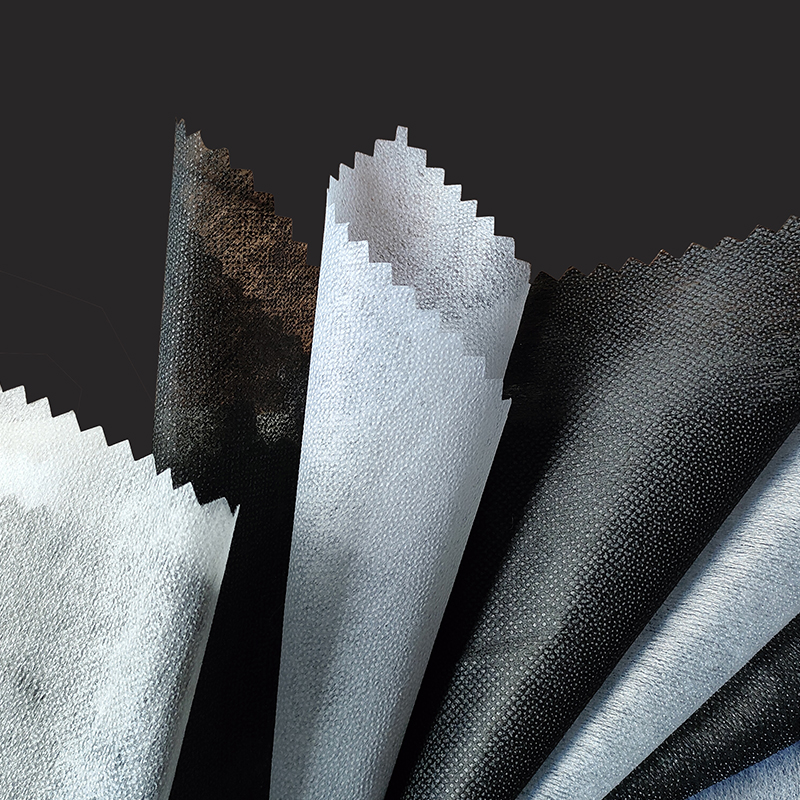
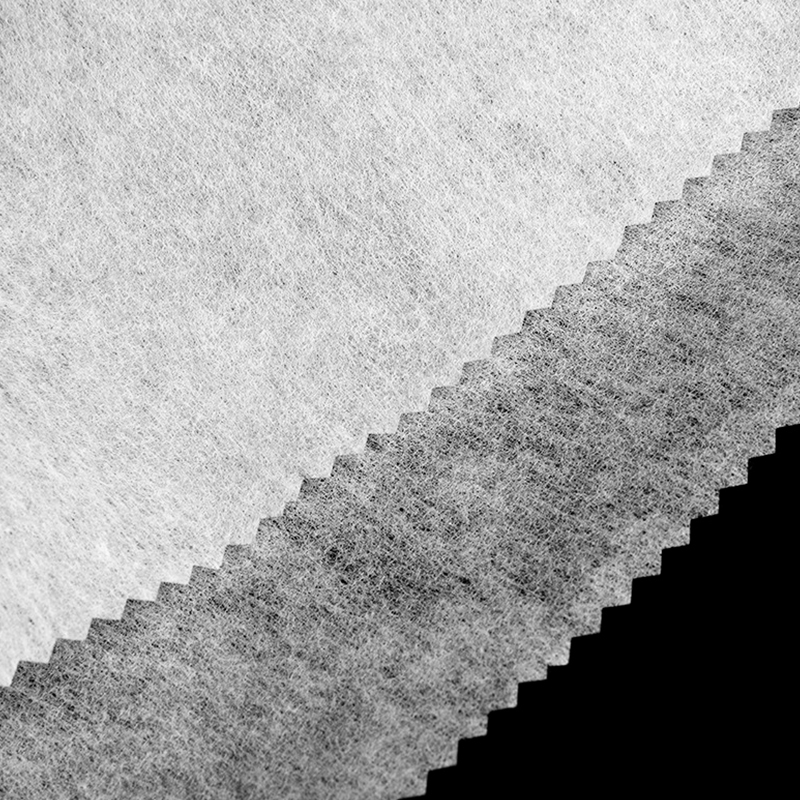
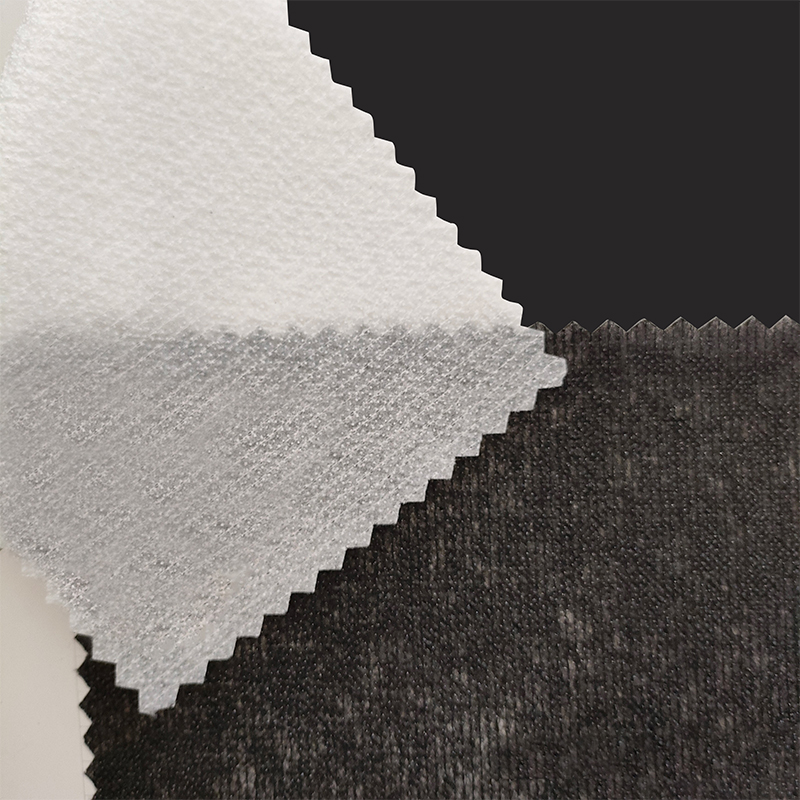
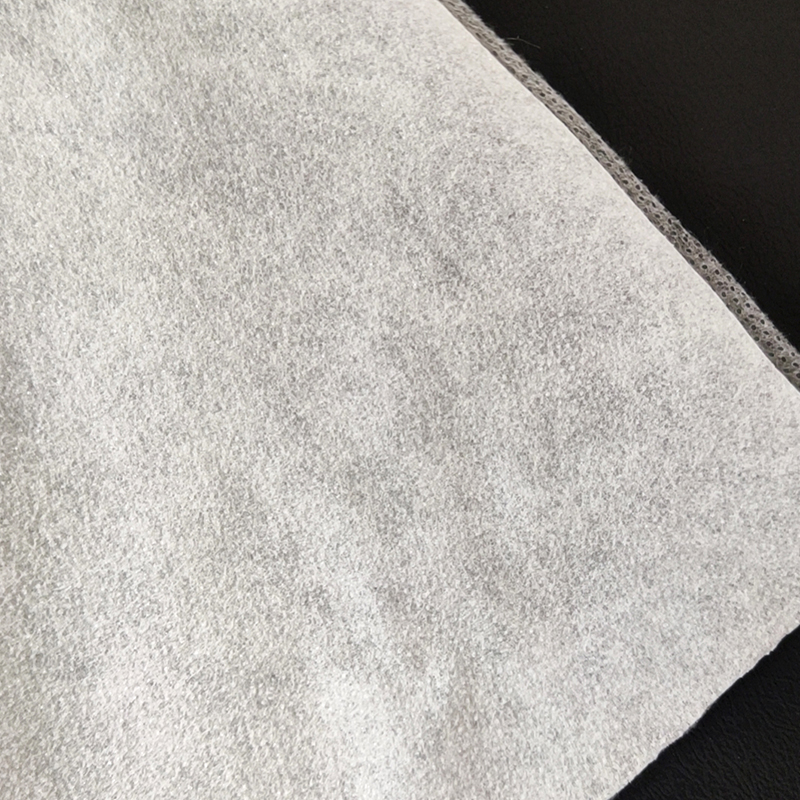
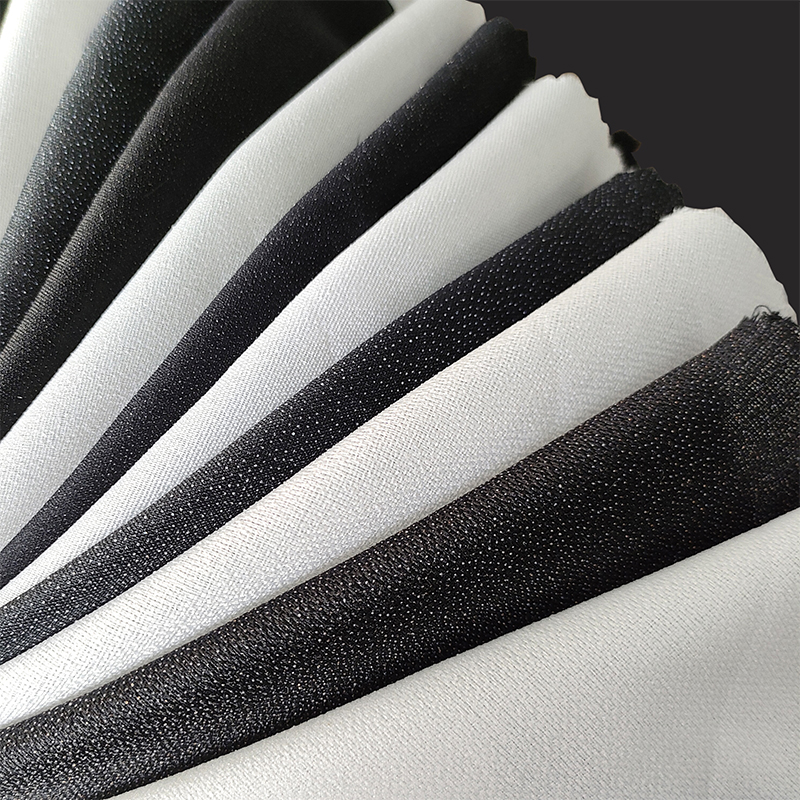
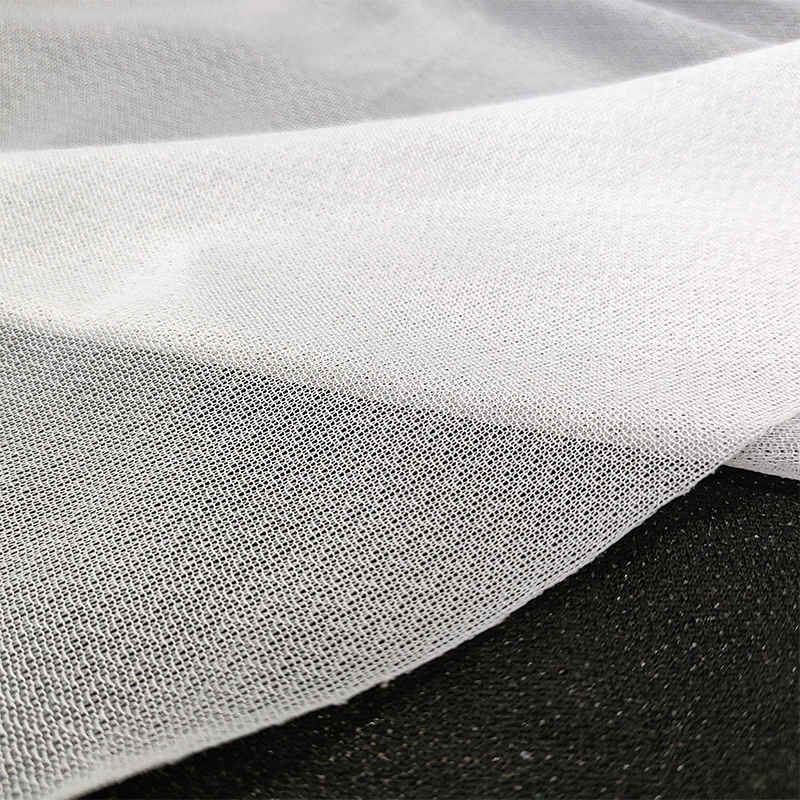
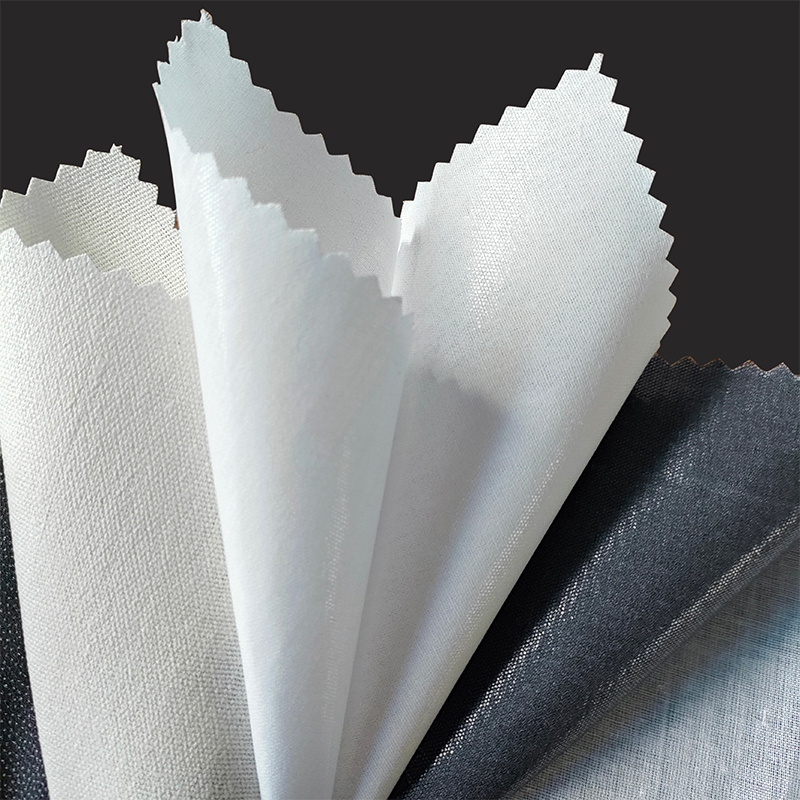
If you sew your own gear or order custom outdoor clothing, the way you choose the under-layer structure is as important as the outer rubbing. Our guide to choosing interlining materials for outdoor clothing to improve waterproof performance explains how the layer under the shell controls wicking, stiffness, and moisture management in collars, cuffs, and plackets. The same principle applies to bags and tents: a selection of suitable interlining materials can improve the waterproof performance of outdoor products by keeping water from creeping past the taped seams.
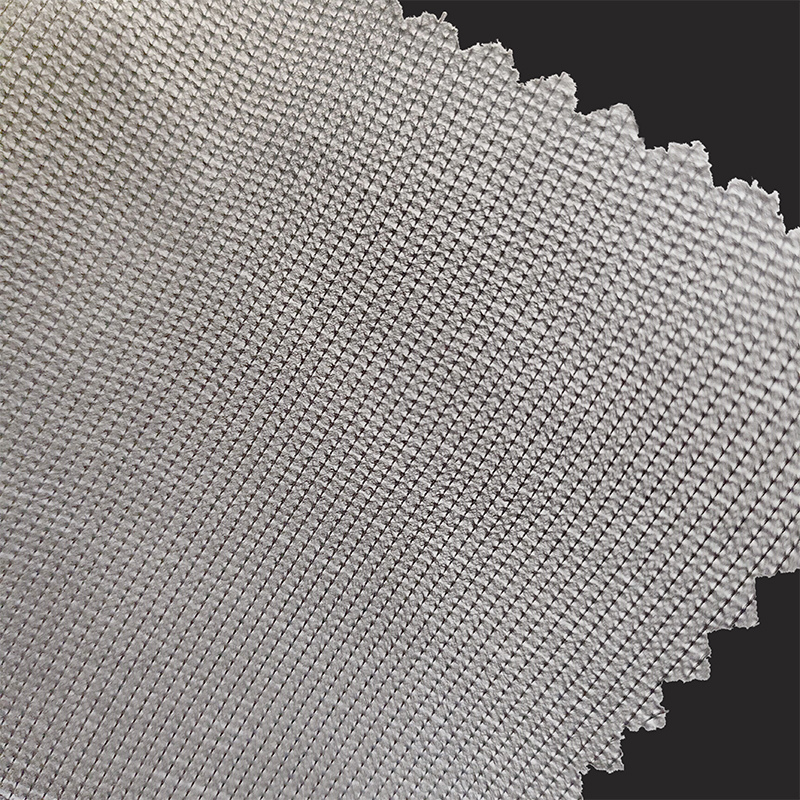
For manufacturers making their own waterproof garments, three material choices close the gaps that wax cannot reach. A fusible adhesive film for seam sealing and lamination bonds seam allowances and hem tapes without stitching, removing one more route for water. A PP spunbond nonwoven interlining for collars and plackets keeps those areas crisp and erect even after the shell has wetted out. In workwear, an SMS nonwoven fabric inner barrier adds a splash-resistant layer without the stiffness of a coated fabric.
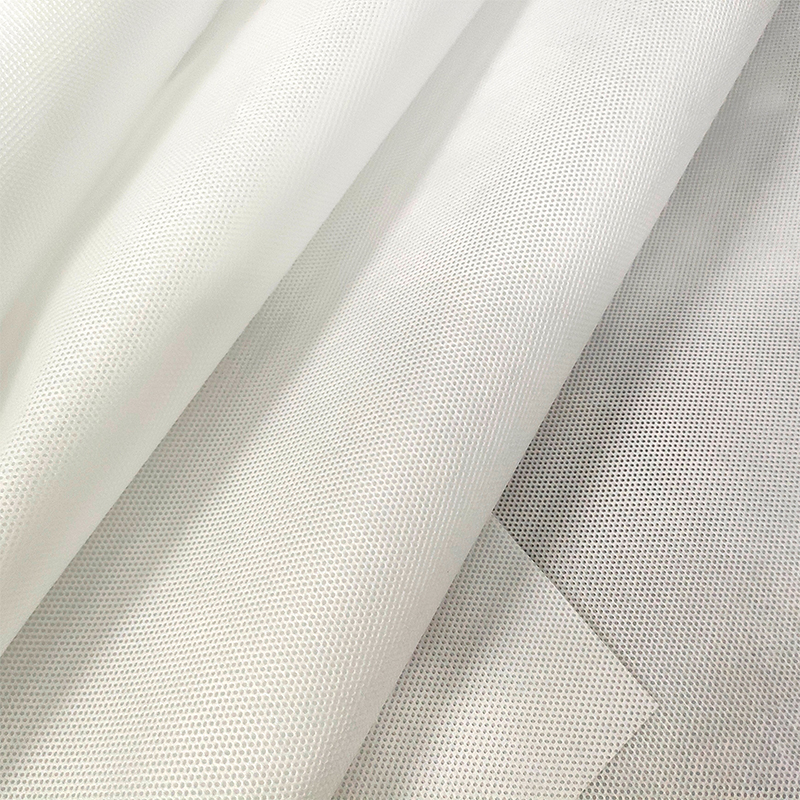 Wholesale SMS/SMMS Nonwoven Fabric Manufacturers, Suppliers - Rugao Jilin GarmenRugao Jilin Garment Accessories Co., Ltd is China Wholesale SMS/SMMS Nonwoven Fabric manufacturers and SMS/SMMS Nonwoven Fabric suppliers...View Product →
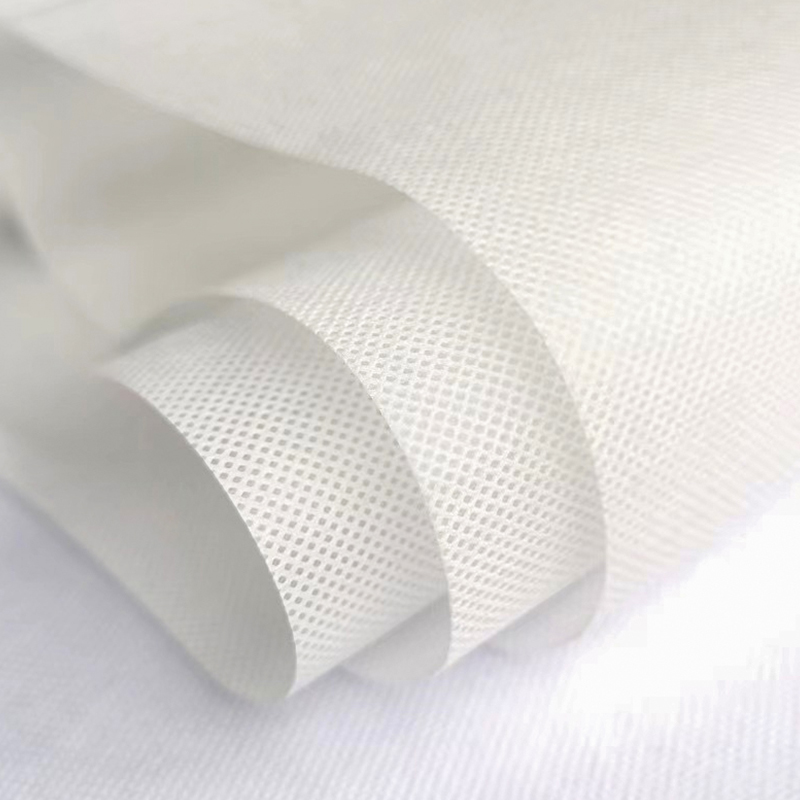 Wholesale PP Spunbond Nonwoven Interlining Manufacturers, Suppliers - Rugao JiliRugao Jilin Garment Accessories Co., Ltd is China Wholesale PP Spunbond Nonwoven Interlining manufacturers and PP Spunbond Nonwoven Inter...View Product →
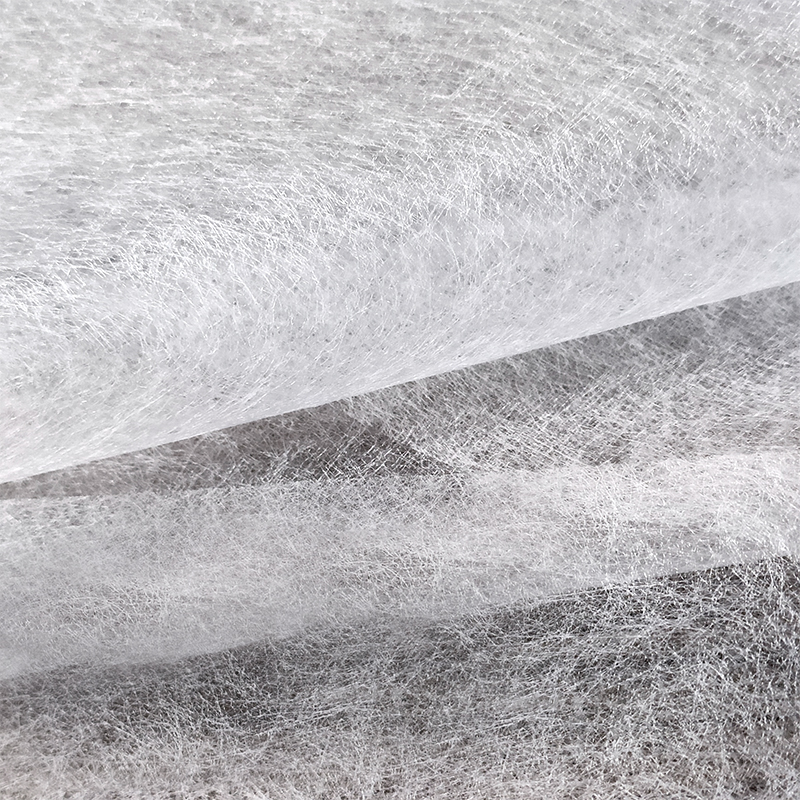 Wholesale Both Adhesive Film Manufacturers, Suppliers - Rugao Jilin Garment AcceRugao Jilin Garment Accessories Co., Ltd is China Wholesale Both Adhesive Film manufacturers and Both Adhesive Film suppliers,A mesh-shap...View Product →
From a sustainability angle, the calculation also changes when you include the manufacturing stage. The environmental benefits of non-woven interlining in textile manufacturing come mostly from lighter material loads, less waste at cutting, and reduced need for heavy coating layers. Natural wax handles the surface; smart construction handles the rest.
7. Seven Mistakes That Sabotage a Natural Waterproofing Job
Most failed natural waterproofing results come from the same repeated errors. Avoid these seven and your treatment will look and perform like a professional waxed garment.
- Waxing dirty fabric. Dirt and body oils block wax from bonding and lock stains into the fibers permanently.
- Applying on damp fabric. Trapped moisture turns to steam under the iron and pushes the wax away from the fibers, causing peeling.
- Using raw linseed oil for garments. Raw oil takes weeks to cure and stays tacky; boiled linseed oil dries faster and is the practical choice for canvas.
- Overheating the wax. Scorched beeswax turns darker, becomes brittle, and loses its grip. Keep the iron on low heat and move slowly.
- Washing too soon after treatment. The wax needs at least 24 hours to set; a quick warm-water wash will strip most of it.
- Treating stretchy technical knitwear. Wax reduces stretch and breathability, and flexing cracks the film quickly. Save it for woven fabrics.
- Ignoring the seams. Stitching lines and crease folds are the first places where moisture appears. Coat them twice or reinforce them with a tape or film.
8. Frequently Asked Questions About Natural Fabric Waterproofing
Does beeswax make fabric completely waterproof?
No. Beeswax creates strong water repellency, not a sealed waterproof barrier. In moderate rain, water beads and rolls off. Under sustained rainfall, or when the fabric sits on a wet surface, moisture eventually wicks through seams, creases, and heavily flexed areas.
Can I apply natural wax to a breathable waterproof jacket?
Do not do it. Wax will clog the microscopic pores of the breathable membrane and permanently destroy its ability to vent moisture. For membrane jackets, refresh the face fabric only with a PFC-free DWR spray and keep the seams and zippers in good repair.
How do I remove a natural wax coating?
Place brown kraft paper over the fabric and iron on low heat; the paper will absorb the melted wax. Repeat with fresh paper until the pickup is minimal, then wash in warm water with a grease-cutting dish soap. Test on a hidden spot before treating the whole item.
Does natural waterproofing work on shoes?
Yes, especially on leather and canvas uppers. Use a wax bar with heat, rub it well into the seams where the upper meets the sole, and avoid the sole edges to keep traction. Reapply every 3 to 4 weeks for daily-wear shoes.
How often should I reapply natural waterproofing?
For items used daily, reapply every 4 to 8 weeks. For seasonal gear such as tents and rain coats, check the surface before each season and reapply every 2 to 3 months. Frequent folding and abrasion shorten the interval.
Which is better: natural wax or synthetic DWR?
It depends on the fabric and the use. Natural wax is more durable than DWR on dense natural fabrics like canvas and denim, and it is free of fluorocarbons. Synthetic PFC-free DWR is better on nylon and polyester shells because it preserves breathability and does not flake off smooth fibers. Many makers use wax for heritage-style cotton pieces and PFC-free DWR for technical synthetic gear.