 English
 Español
 Türk
TürkContent
- 1 The Short Answer: How to Use Interfacing on Fabric
- 2 Types of Interfacing and What Each One Does
- 3 How to Prepare Your Fabric Before Applying Interfacing
- 4 Step-by-Step: How to Apply Fusible Interfacing
- 5 Step-by-Step: How to Apply Sew-In Interfacing
- 6 Interfacing vs. Interlining: Understanding the Difference in Practice
- 7 Which Areas of a Garment Need Interfacing
- 8 Matching Interfacing Weight to Fabric Weight
- 9 Common Interfacing Mistakes and How to Avoid Them
- 10 Interfacing for Home Sewing Projects: Bags, Quilts, and Decor
- 11 Tips from Professional Sewers and Tailors
- 12 Reading Interfacing Labels and Packaging
The Short Answer: How to Use Interfacing on Fabric
To use interfacing on fabric, cut the interfacing to match the fabric piece, align it to the wrong side of the fabric, and either fuse it with a hot iron (for fusible types) or sew it in place (for sew-in types). The result is a reinforced, structured fabric layer that holds its shape through wear and washing. That is the core process — but getting it right every time depends heavily on choosing the correct type, preparing your fabric properly, and applying the right amount of heat or stitching. The sections below break down every part of this process in practical, actionable detail.
Interfacing and interlining are not interchangeable terms, though they are often confused. Interfacing is bonded or stitched to a specific fabric piece to add stiffness or support in targeted areas — collars, cuffs, waistbands, button plackets. Interlining, on the other hand, is a separate layer inserted between the outer fabric and the lining to add warmth, body, or opacity to an entire garment. Both serve structural roles, but they work differently and are chosen for different reasons. Understanding that distinction will save you from common and frustrating sewing mistakes.
Types of Interfacing and What Each One Does
Walk into any fabric store and you will find an overwhelming wall of interfacing options. The differences between them matter enormously. Using the wrong type on a delicate silk blouse or a heavy wool coat can ruin the drape, distort the fabric, or cause bubbling and peeling after the first wash. Here is a breakdown of the main categories:
Fusible Interfacing
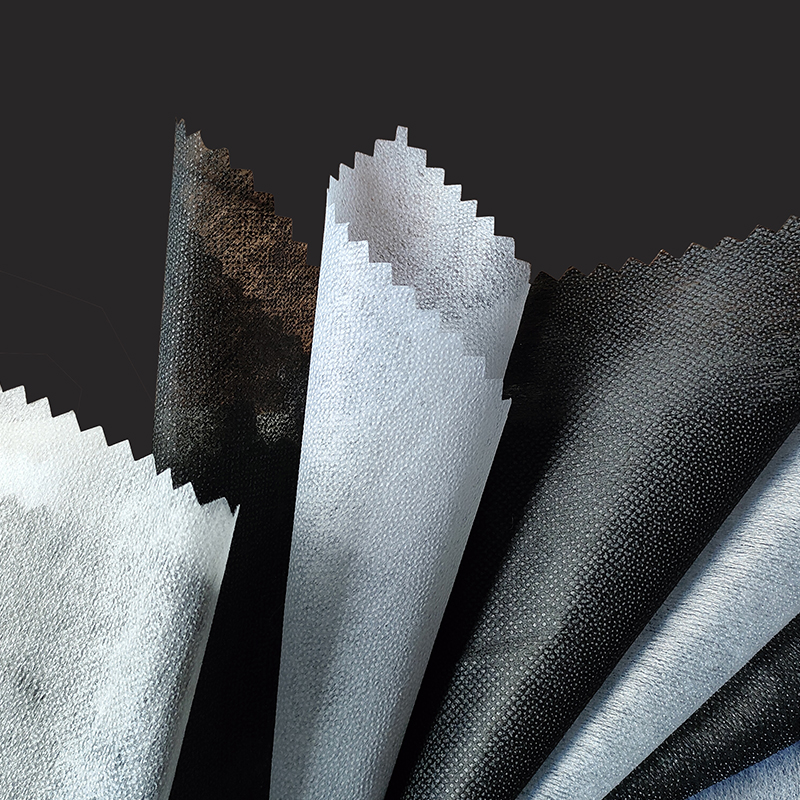
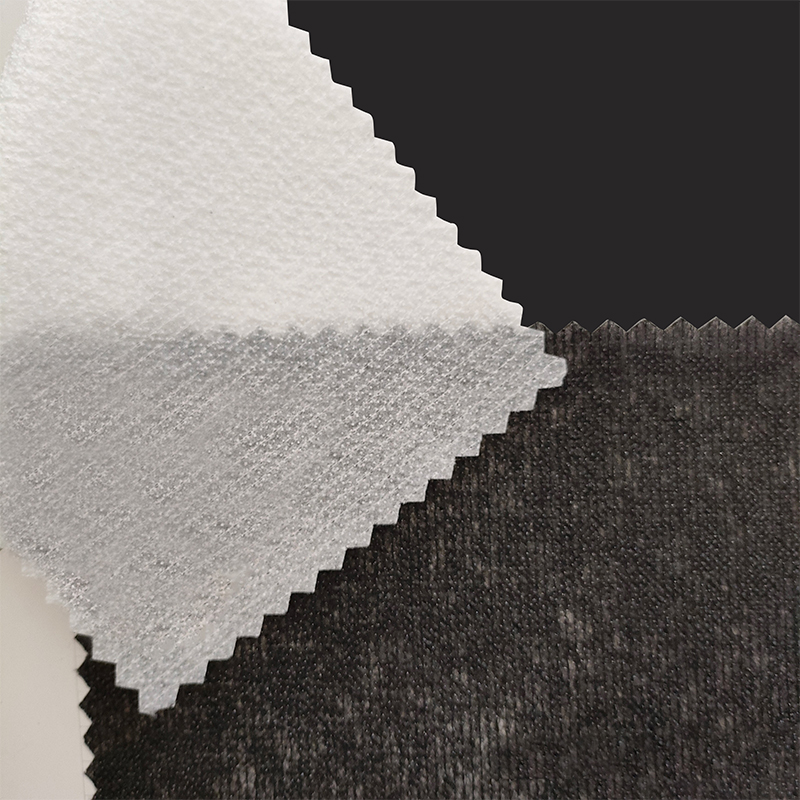
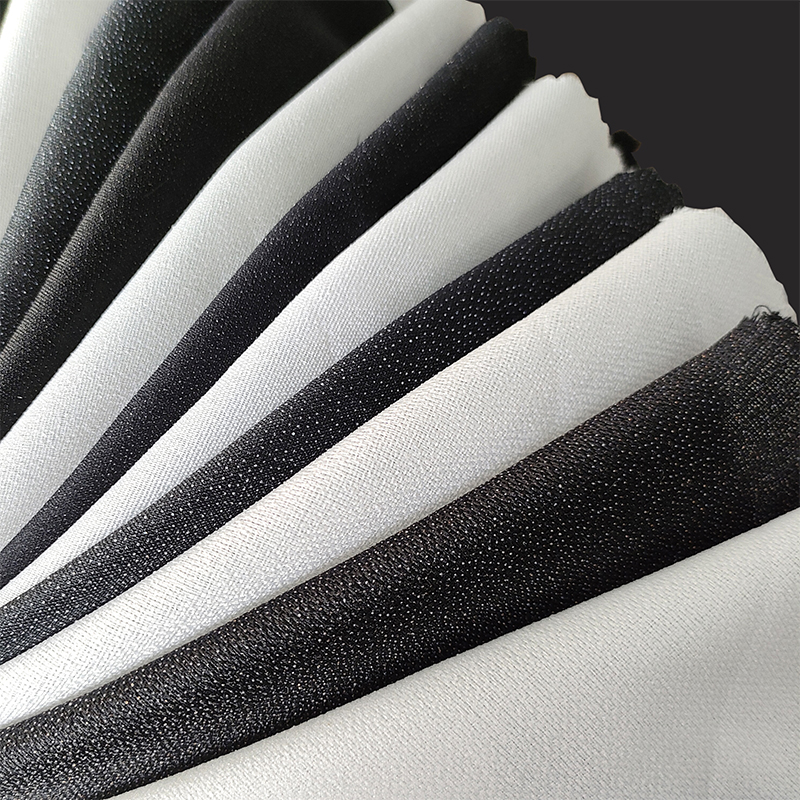
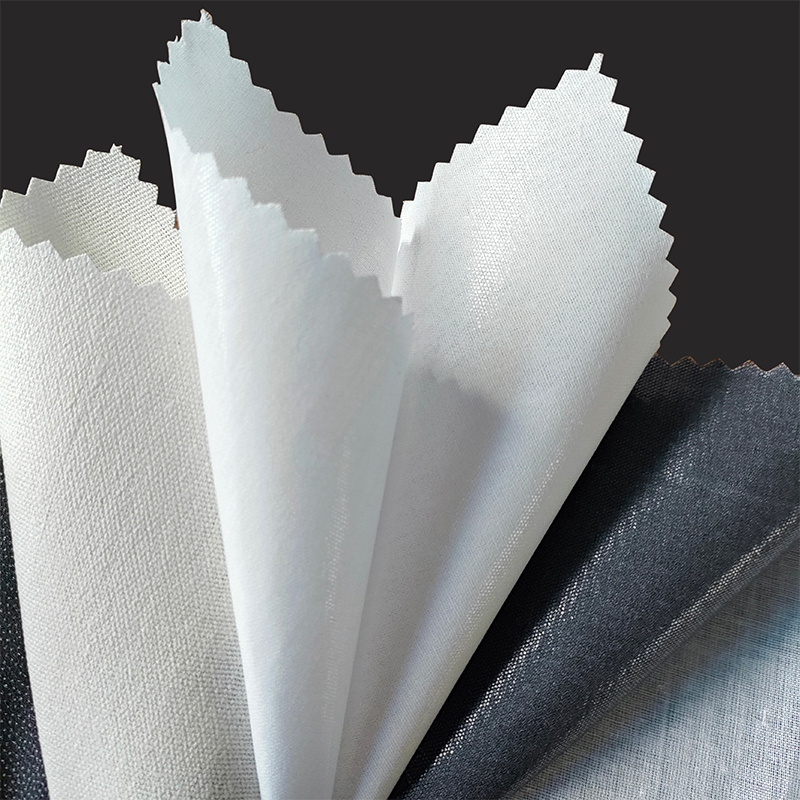
Fusible interfacing has a heat-activated adhesive on one side. When pressed with a hot iron, the glue melts and bonds permanently to the fabric. It is the most widely used type for home sewing because it is fast, easy, and creates a very stable bond. Common brands include Pellon 809 Décor-Bond for structured projects and Pellon SF101 Shape-Flex for lighter woven fabrics. Fusible interfacing comes in woven, non-woven, and knit versions, each suited to different base fabrics.
Sew-In Interfacing
Sew-in interfacing is attached by stitching rather than heat. It is the correct choice for fabrics that cannot tolerate high heat — velvet, leather, sequined fabric, and many synthetic blends. It is also preferred in tailored garments where a softer, more natural hand is desired. The downside is that it adds bulk in the seam allowances, which requires careful trimming. Experienced tailors often prefer sew-in interfacing for jacket fronts and lapels because it allows the fabric to roll more naturally at the break line.
Woven vs. Non-Woven vs. Knit Interfacing
Beyond the application method, interfacing is also categorized by its construction:
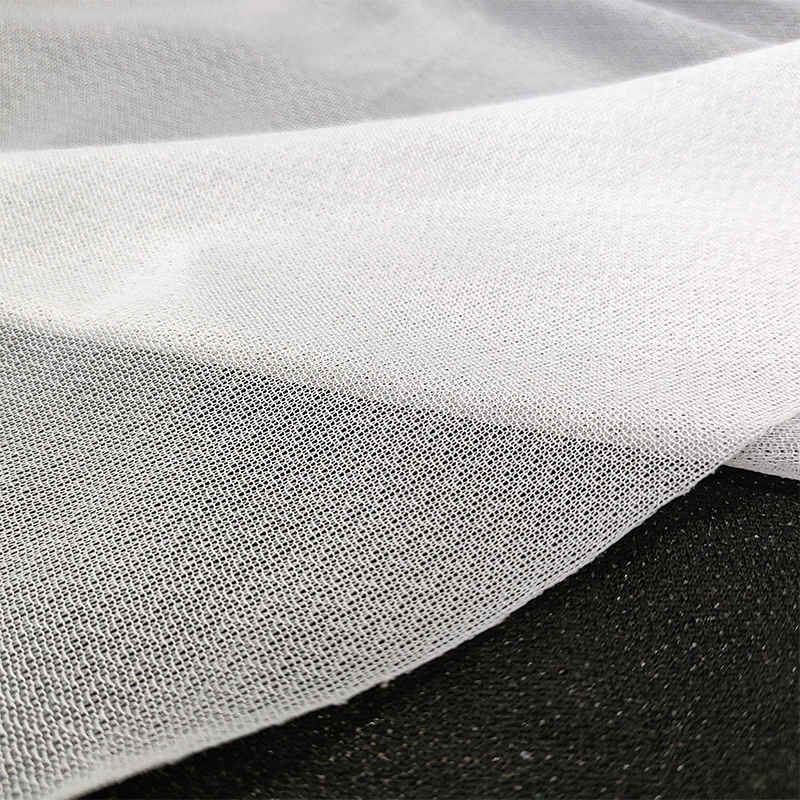
- Woven interfacing has grain lines like regular fabric. It should be cut on the same grain as the fabric piece it supports. It drapes well and works best with woven fabrics like cotton, linen, and wool.
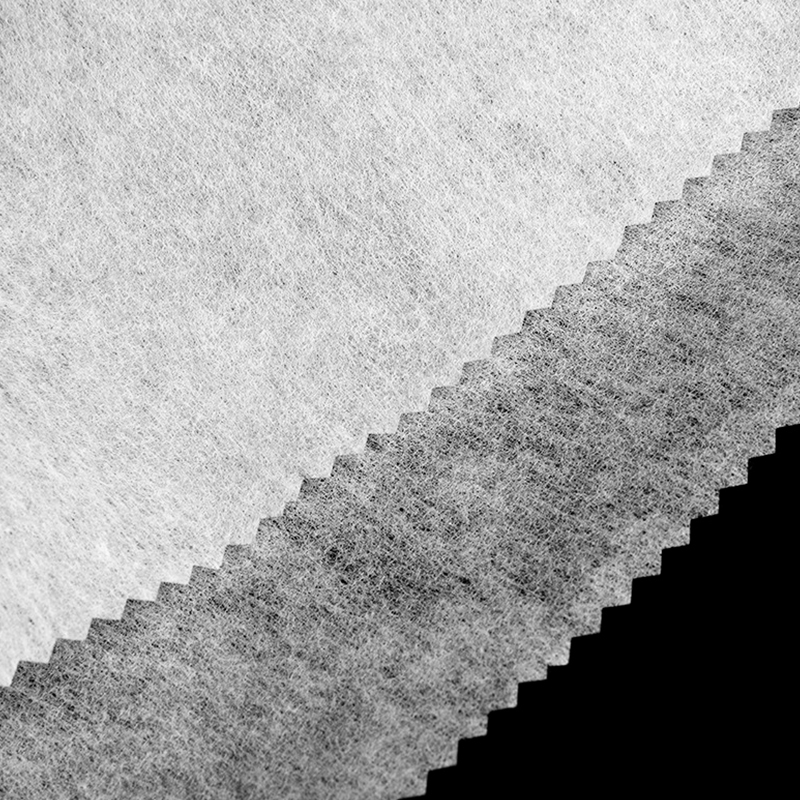
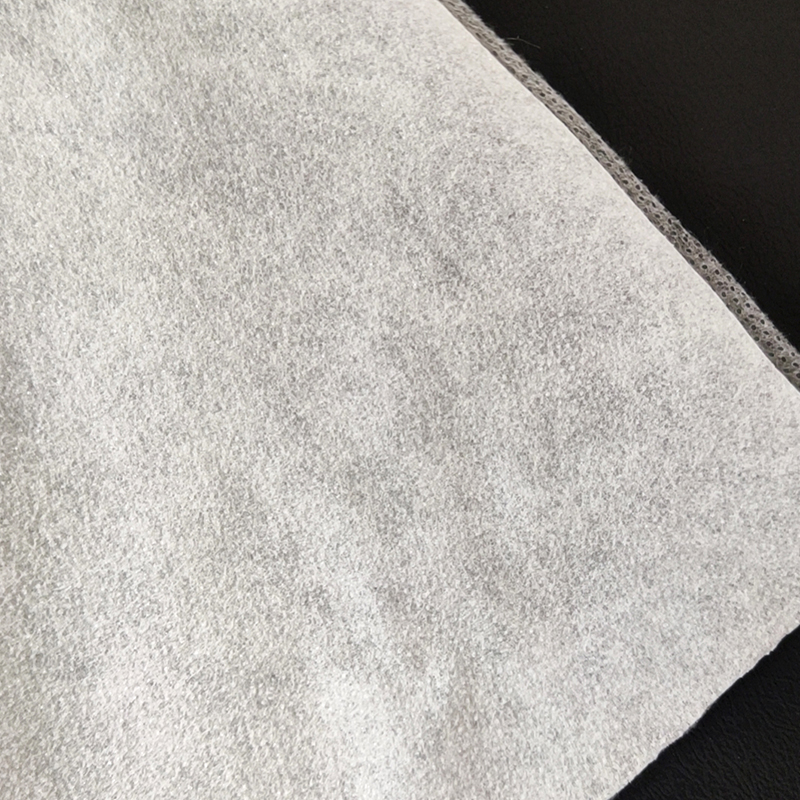
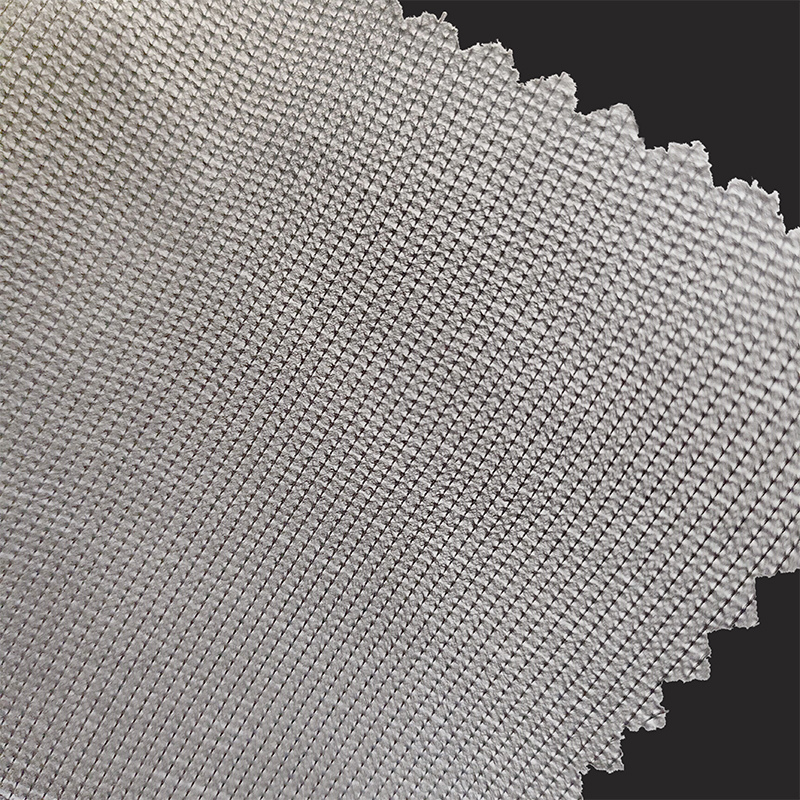
- Non-woven interfacing has no grain and can be cut in any direction without fraying. It is more rigid and is ideal for bags, structured bodices, and craft projects. However, it can feel stiff or papery on garments.
- Knit interfacing stretches in at least one direction and is designed specifically for use with knit fabrics like jersey, ponte, and spandex blends. Using woven or non-woven interfacing on a knit will kill the stretch and distort the garment.
| Interfacing Type | Best For | Application Method | Key Advantage |
|---|---|---|---|
| Fusible Woven | Cotton, linen, wool shirts | Iron (heat + steam) | Natural drape, grain-matched |
| Fusible Non-Woven | Bags, craft projects, bodices | Iron (heat + steam) | No fraying, cut any direction |
| Fusible Knit | Jersey, ponte, stretch fabrics | Iron (low-medium heat) | Maintains stretch |
| Sew-In Woven | Tailored jackets, lapels | Stitched in place | Soft hand, professional roll |
| Sew-In Non-Woven | Velvet, leather, heat-sensitive | Stitched in place | Safe for delicate surfaces |
How to Prepare Your Fabric Before Applying Interfacing
Skipping preparation is the single most common reason interfacing fails. If the base fabric has not been pre-washed and the interfacing shrinks at a different rate, you will get bubbling, puckering, or delamination after the first laundry cycle. Follow these steps before you touch the iron or needle:
Pre-Wash Both Fabric and Interfacing
Always pre-wash your fashion fabric before cutting and applying interfacing. Natural fibers like cotton and linen can shrink 3% to 10% in their first wash. If your interfacing shrinks at a different rate, the bond will pucker or separate. Many fusible interfacings are pre-shrunk, but it is still good practice to run them through a warm water wash and tumble dry before use. Check the interfacing packaging for manufacturer recommendations.
Test on a Scrap First
Never apply interfacing directly to your cut garment pieces without doing a test on a scrap of the same fabric. Cut a 4-inch by 4-inch square of both the fashion fabric and the interfacing. Apply the interfacing, let it cool completely, and then check the bond by trying to peel a corner. If it peels, the bond is insufficient — try more heat, more pressure, or a longer pressing time. Also assess whether the interfacing changes the drape or texture in a way you find acceptable. Some stiff interfacings will make lightweight fabrics feel like cardboard.
Cut Interfacing Precisely
Cut your interfacing pieces using the same pattern pieces as the fabric. For most applications, you will trim the interfacing so it stops just inside the seam allowance — typically cutting it 5/8 inch (1.5 cm) smaller on all sides that will be sewn. This prevents the interfacing from being caught in the seam, which would add bulk and make it difficult to press seams flat. For bag-making and craft projects where you want full coverage, cut the interfacing the same size as the fabric piece.
Step-by-Step: How to Apply Fusible Interfacing
Fusible interfacing is the most widely used option for home sewers. The process looks simple, but there are several details that separate a flawless bond from one that bubbles, peels, or scorches the fabric. Here is the complete process:
- Set your iron to the correct temperature. Most fusible interfacings bond best at a medium-to-high heat — around 300°F to 350°F (150°C to 175°C). Check the interfacing manufacturer's instructions. For synthetic fabrics, reduce the heat significantly to avoid melting or distorting the fibers.
- Place the fabric wrong side up on your ironing board. The wrong side is the side that will face inward in the finished garment. This is the surface that will bond to the interfacing.
- Position the interfacing adhesive side down on the fabric. The adhesive side is typically the rough, slightly textured side — if you are unsure, lightly touch it to the tip of a warm iron. The adhesive side will stick slightly.
- Cover with a damp press cloth. A press cloth protects the fabric from direct heat and introduces steam that helps activate the adhesive. A thin cotton cloth, muslin, or even a clean tea towel works well.
- Press — do not slide — the iron. Place the iron down, apply firm pressure for 10 to 15 seconds, lift, and move to the next section. Sliding the iron can shift the interfacing out of position before the adhesive has set.
- Work in overlapping sections. Make sure every part of the interfacing has received direct heat and pressure. Missed spots will result in areas that are not bonded and will eventually peel.
- Let it cool completely before handling. The adhesive needs time to set. Moving or stretching the fabric while it is still warm can distort the bond. Wait at least 2 to 3 minutes before flipping or cutting the piece.
- Check the bond by testing a corner. Once cool, gently try to lift a corner of the interfacing. A properly bonded piece will resist peeling firmly. If it lifts, press again with more heat or pressure.
A common mistake is pressing the iron at too low a temperature for too short a time. Insufficient heat is the leading cause of delamination, where the interfacing separates from the fabric after washing. When in doubt, press longer rather than hotter to avoid scorching.
Step-by-Step: How to Apply Sew-In Interfacing
Sew-in interfacing requires more time than fusible but gives superior results for certain fabrics and tailored applications. The process is straightforward but requires attention to grain alignment and seam allowance management.
- Cut the interfacing on the correct grain. For woven sew-in interfacing, match the grain to the fashion fabric piece. For non-woven, grain is not a concern.
- Place the interfacing on the wrong side of the fabric. Align the edges of the interfacing with the edges of the fabric piece, or trim it to stop at the seam allowance line.
- Pin or baste the layers together. Hand-baste around the edges within the seam allowance to temporarily secure the interfacing before machine stitching. This prevents shifting during construction.
- Machine stitch within the seam allowance. Sew around the perimeter of the piece, staying within the 5/8 inch seam allowance so the stitching will not be visible in the finished garment.
- Trim and clip the seam allowances. After construction, trim the interfacing seam allowances close to the stitching line to reduce bulk, especially at curved edges and corners.
For tailored jacket fronts, professional tailors often use a technique called pad stitching — small diagonal hand stitches that work through the interfacing and fashion fabric but do not pierce the outer surface. This creates the distinctive soft roll of a tailored lapel that machine-fused interfacing simply cannot replicate.
Interfacing vs. Interlining: Understanding the Difference in Practice
The terms interfacing and interlining both describe internal support layers in garments and home goods, but they serve distinct purposes and are applied in fundamentally different ways. Conflating them leads to poor fabric choices and construction errors.
What Interfacing Does
Interfacing is applied to specific, targeted areas of a garment. A shirt collar needs interfacing so it stands up properly. A button placket needs interfacing to prevent the fabric from distorting around the buttonholes. A waistband needs interfacing to resist folding and buckling under tension. In each case, the interfacing is bonded or stitched directly to a single fabric layer in a specific location. It changes the hand and structure of that piece alone.
What Interlining Does
Interlining is a separate layer inserted into an entire garment between the outer fabric and the lining. Its purpose is typically to add warmth (as in a winter coat), weight (to improve drape in curtains), or opacity (to prevent a light-colored lining from showing through a sheer outer fabric). Common interlining materials include cotton domette (a soft, fleece-like fabric), wool flannel, polyester batting, and Bump interlining used heavily in drapery construction. Unlike interfacing, interlining is usually cut as a full panel and is either stitched to the lining or catch-stitched to the seam allowances so it moves freely with the garment.
When You Might Use Both Together
A fully lined winter coat might use both. The collar and cuffs would receive interfacing for structure. The entire body panels would receive interlining for warmth. These two layers are independent — the interfacing bonds to the outer fashion fabric in specific zones, while the interlining floats between the outer shell and the silk or polyester lining. This combination is standard in high-end outerwear and is one reason why well-made coats feel so different from cheap alternatives.
Which Areas of a Garment Need Interfacing
Knowing where to apply interfacing is just as important as knowing how. Not every part of a garment needs it — and over-interfacing creates stiff, uncomfortable results. Here are the standard areas where interfacing is expected:
- Collars and collar stands: Both the upper and under collar typically receive interfacing to create a firm, upright collar that maintains its shape through wear.
- Cuffs: Shirt and jacket cuffs need interfacing on both layers or at minimum the outer layer to prevent limp, wrinkled results.
- Waistbands: Interfacing prevents waistbands from rolling, folding, or stretching out of shape under the constant tension of being worn around the body.
- Button and buttonhole plackets: The layers of fabric that carry buttons and buttonholes need reinforcement to prevent distortion and to give the buttons a firm base to anchor to.
- Jacket and coat fronts: The entire front facing of a structured jacket typically receives interfacing to support the lapel roll, maintain the garment's front edge, and stabilize the chest area.
- Necklines and armscyes on facings: Curved facing pieces that finish necklines and armholes need interfacing to prevent stretching and to help them lie flat against the body.
- Pocket openings and flaps: Welt pockets and flap pockets need interfaced fabric to create clean, sharp edges that do not distort when the pocket is used.
- Zipper areas: A small strip of interfacing behind a zipper application reinforces the fabric and prevents the zipper tape from pulling the fabric out of alignment.
Matching Interfacing Weight to Fabric Weight
The weight of your interfacing must correspond to the weight of your fashion fabric. This is a principle that many beginner sewers overlook, and it results in garments that either feel stiff and board-like or lack the support they need. The general rule is: lightweight fabric gets lightweight interfacing, and heavier fabric gets heavier interfacing.
| Fabric Category | Example Fabrics | Recommended Interfacing | Notes |
|---|---|---|---|
| Sheer / Very Light | Chiffon, organza, voile | Silk organza or very light fusible | Avoid anything heavy; sew-in preferred |
| Light | Lawn, batiste, light silk | Lightweight fusible woven | Pellon SF101 or equivalent |
| Medium | Cotton shirting, chambray, linen | Medium-weight fusible woven or non-woven | Most common garment category |
| Medium-Heavy | Denim, twill, home dec fabric | Firm fusible or Décor-Bond weight | Good for structured bags and jackets |
| Heavy | Wool coating, heavy canvas, upholstery | Heavy sew-in or tailor's canvas | Fusible may not penetrate thick fibers |
When working with very heavy coating wools or thick upholstery fabric, standard fusible interfacing may not work at all — the adhesive cannot penetrate dense, tightly woven fibers deeply enough to form a lasting bond. In these cases, tailor's canvas (a traditional woven hair canvas) applied with sew-in techniques is the professional standard.
Common Interfacing Mistakes and How to Avoid Them
Most interfacing problems are preventable. The following mistakes appear repeatedly in sewing communities, and each one has a straightforward solution:
Bubbling or Wrinkling After Washing
This is almost always caused by differential shrinkage — the fabric and interfacing shrinking at different rates. The fix is always to pre-wash both materials before use. It can also result from an incomplete bond caused by insufficient heat or pressure during application. Once delamination occurs, it is extremely difficult to repair without removing the interfacing entirely and reapplying.
Interfacing Showing Through on the Right Side
With light-colored or sheer fabrics, the interfacing can be visible from the outside of the garment, especially if it is a dark or contrasting color. Always choose a white, natural, or color-matched interfacing for light-colored fabrics. For sheers, silk organza is the classic choice because it is nearly transparent and adds minimal visual weight.
Adhesive Residue on the Iron or Ironing Board
This happens when the adhesive side of fusible interfacing is accidentally placed face up and the iron touches it directly, or when the interfacing extends beyond the fabric edge and the adhesive contacts the ironing board. Always use a press cloth and double-check the orientation of the interfacing before pressing. If adhesive does get on your iron, let it cool and scrub it off with a commercial iron cleaner or a paste of baking soda and water.
Stiff, Uncomfortable Results
Using interfacing that is too heavy for the fashion fabric is the cause here. A medium-weight non-woven interfacing applied to a lightweight cotton lawn will make the fabric feel like cardboard. Always match interfacing weight to fabric weight and err on the side of lighter when in doubt. You can always add a second layer of light interfacing if more structure is needed — it is much harder to go back and remove interfacing that has been fused.
Using Woven Interfacing on a Knit Fabric
This mistake locks the stretch out of the knit fabric in the interfaced area, creating an uncomfortable, stiff zone that pulls and distorts during wear. For knits, always use a knit or stretch interfacing — specifically one that has been designed to stretch in at least one direction. Pellon 911FF Featherweight Fusible is a popular lightweight option that works on many stable knits.
Interfacing for Home Sewing Projects: Bags, Quilts, and Decor
Interfacing is not limited to garment construction. It is equally essential in bag making, quilting, and home décor projects where structure, stability, and durability are critical. The selection criteria differ somewhat from garment sewing.
Bags and Purses
Handbags and tote bags typically require much heavier interfacing than garments. Products like Pellon 971F Fusible Thermolam Plus or Pellon 808 Craft-Fuse are designed specifically for bag panels — they are thick, stable, and maintain shape under the weight of contents. For structured bags like box totes or frame purses, a stiff foam stabilizer such as Soft and Stable by Annie is used. These heavy-duty products should never be used on garments — they are simply too rigid for wearable items.
Quilts and Quilted Items
In quilting, the term batting is used rather than interfacing or interlining, though batting technically functions similarly to interlining — it is the middle layer that adds loft and warmth. However, fusible batting products are available that fuse to the quilt top and backing, eliminating the need for basting before quilting. This functions essentially as interfacing applied to quilt layers.
Curtains and Drapery
In drapery, interlining is standard in high-quality work. Bump fabric — a thick, cotton domette material — is used as interlining in hand-sewn curtains to add weight, improve drape, block light, and provide insulation. It is catch-stitched to the hem and heading rather than fused. Curtain interlining can increase the thermal performance of drapes by a meaningful margin, which is why it remains common in traditional interior design even as ready-made options dominate the lower end of the market.
Tips from Professional Sewers and Tailors
There is a significant gap between how beginners use interfacing and how professional tailors and couture sewers use it. The following points reflect practices from production sewing rooms and bespoke tailoring workshops that rarely make it into basic sewing tutorials:
- Press from both sides. After fusing interfacing to the wrong side of the fabric, flip the piece over and press lightly from the right side as well. This helps set the bond evenly and removes any impressions left by the adhesive texture on the surface of the fabric.
- Use a tailor's ham for curved areas. When fusing interfacing to curved pieces like collar stands or princess seam facings, use a tailor's ham to support the curve during pressing. Pressing on a flat surface will force the fabric flat and distort the shape.
- Grade your seam allowances after construction. Once a piece with interfacing is sewn, trim the seam allowances in steps — cut the interfacing seam allowance shorter than the fabric seam allowance. This creates a graduated transition that reduces bulk and allows seams to lie flat.
- Consider the finished appearance before choosing. Fusible interfacing, especially heavier weights, can create a slightly stiff or "plastic" look where the interfacing ends abruptly. In these cases, feathering the edge of the interfacing — cutting it with pinking shears or trimming it to an irregular edge — softens the transition line.
- Hair canvas for jackets is worth the effort. For structured jackets and blazers, traditional woven hair canvas (a firm interfacing made with horsehair or goat hair fibers) creates a level of tailoring that no fusible product can match. It is attached with pad stitching and allows the lapel to roll naturally, following the body rather than holding a rigid crease.
- Store interfacing rolled, not folded. Folding fusible interfacing leaves permanent crease marks in the adhesive that prevent it from bonding evenly. Roll it loosely around a cardboard tube and store it vertically.
Reading Interfacing Labels and Packaging
Interfacing packaging contains critical information that many sewers ignore. Understanding what the label tells you saves time, money, and materials. Here is what to look for:
- Weight designation: Lightweight, medium, firm, or heavy. Match this to your fabric category.
- Construction: Woven, non-woven, or knit. This tells you whether grain matters and whether it stretches.
- Application method: Fusible or sew-in. Fusible packages show an iron symbol; sew-in does not.
- Iron temperature and time: The package will specify the recommended temperature range and press duration. Follow this precisely on your test swatch.
- Care instructions: Whether the finished item can be machine washed, dry cleaned only, or requires gentle handling. This matters enormously — using a dry-clean-only interfacing in a machine-washable garment guarantees eventual delamination.
- Fiber content: Polyester, cotton, rayon, or a blend. Cotton interfacing is generally more breathable and takes heat well. Polyester interfacing is lighter and more resistant to moisture but can melt at high temperatures.
When the care instructions on your fashion fabric and your interfacing do not match, you must defer to the more restrictive requirement. If your fabric is machine washable but your interfacing is dry-clean only, the finished garment must be dry-cleaned — or you must choose a different interfacing.