 English
 Español
 Türk
TürkContent
- 1 The Direct Answer: What Works Best When Gluing Sequins to Fabric
- 2 Choose the Right Glue for Sequins
- 3 Prepare the Fabric Correctly Before Gluing
- 4 Step-by-Step: How to Glue Sequins to Fabric
- 5 Common Mistakes and How to Fix Them
- 6 Why Stabilizer Backing Improves Sequin Durability
- 7 Frequently Asked Questions About Gluing Sequins to Fabric
- 7.1 Can you glue sequins to fabric permanently?
- 7.2 What glue is best for gluing sequins to fabric?
- 7.3 Will hot glue work on sequins?
- 7.4 How do you keep sequins from falling off fabric?
- 7.5 Can you wash fabric with glued sequins?
- 7.6 What is the difference between tearaway and cut-away stabilizer for sequins?
- 7.7 Does fabric type affect the glue choice?
- 7.8 How long does fabric glue take to dry?
- 7.9 Can you glue sequins on stretchy fabric?
- 7.10 How do you remove sequins from fabric?
The Direct Answer: What Works Best When Gluing Sequins to Fabric
For most fabric types, the best way to glue sequins to fabric is to use a liquid fabric adhesive or a hot-melt adhesive film, and to work in small sections so the glue stays tacky while you place the sequins. If you are working with stretchy or delicate fabric, always add an embroidery stabilizer behind the fabric first. The stabilizer gives the fabric a firm backing, prevents stretching, and gives the glue a rough surface to grip, which is why sequins stay in place longer.
The wrong approach is to squeeze a thick blob of glue and press sequins into it. That creates a raised, uneven surface, causes adhesive to bleed through the fabric, and leads to stiff, uncomfortable areas that crack when the fabric moves. Instead, the most durable bond comes from a thin, even layer of adhesive applied to a stabilized fabric surface.
Choose the Right Glue for Sequins
The glue you choose determines how well the sequins hold. Different fabric types and project sizes require different adhesives. The table below gives a quick comparison.
| Glue Type | Best For | Strength | Drying Time |
|---|---|---|---|
| Liquid Fabric Glue | Small projects, precise placement | High | 20-30 min set / 24 hr cure |
| Hot-Melt Adhesive Film | Large flat areas, garment manufacturing | Very High | Seconds with heat / instant |
| Fusible Web | Temporary basting, pre-sewing | Low | Instant with heat |
| Spray Adhesive | Delicate fabrics, chiffon, tulle | Low to Medium | 15-30 min |
Liquid fabric glue is the most common choice for small projects. It dries clear, stays flexible, and you can apply it precisely with a fine-tip applicator. However, it takes 20-30 minutes to set and up to 24 hours to fully cure, so you need to plan accordingly.
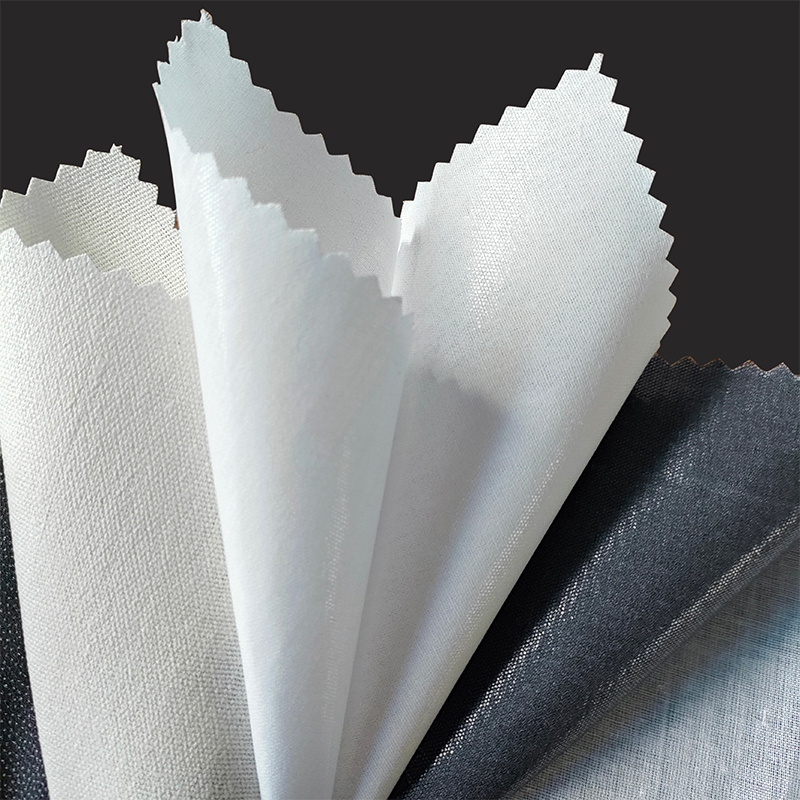
Hot-melt adhesive film is better for large flat areas. It is a thin sheet of adhesive that activates with heat and pressure. When you place it between the fabric and the sequins, it forms a strong bond without leaving visible glue marks. This is the same principle used to fuse interlining to fabric in garment production, and it is why hot-melt film is the preferred choice for professional-looking results.
Fusible web is a quick fix for temporary basting. It works well when you want to hold sequins in place before sewing, but the bond is not strong enough for garments that take a lot of movement or washing. Spray adhesive is useful on very delicate fabrics where you cannot apply pressure, but the bond is light and you will still need to sew the sequins later.
Prepare the Fabric Correctly Before Gluing
Fabric preparation is more than 50% of the work. If you skip this step, no glue will save you. The key steps are:
- Wash and dry the fabric to remove sizing, which is a coating that prevents glue from bonding.
- Iron out all wrinkles. A crease in the fabric creates a gap under the glue, and the sequin will lift there.
- Cut a piece of embroidery stabilizer to cover the area where the sequins will go. Choose according to your fabric type: tearaway for stable wovens, cut-away for knits and stretchy fabrics, and water-soluble film for delicate fabrics that cannot tolerate any residue.
- Attach the stabilizer to the back of the fabric using a temporary low-heat bond or by pinning it loosely. For delicate fabrics that cannot tolerate any residue, a water-soluble film works well.
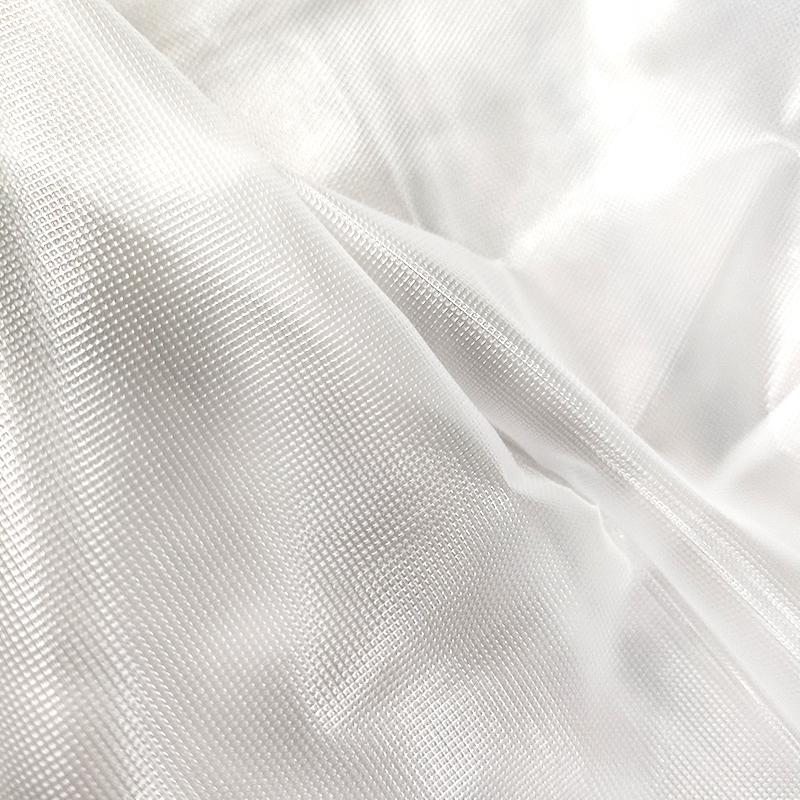 Cold Water Soluble Film for Soft Small-Area EmbroideryThis film dissolves in room-temperature water, leaving embroidery soft and flexible. It is suitable for small motifs but must be handled carefully to avoid dampness during preparation, as noted in the fabric prep steps.View Product →
Do a glue test on a swatch. Apply the glue and let it dry completely to see if it changes the fabric colour or leaves a stain. This test matters most when using a new glue brand or a fabric you have never worked with before.
Step-by-Step: How to Glue Sequins to Fabric
Follow this sequence for clean results every time.
- Lay the fabric on a flat, covered work surface and smooth it out.
- Mark the design with a washable fabric marker or chalk so you know exactly where to place the sequins.
- Apply the adhesive in a thin line across a small section. Do not cover more than a 10-15 cm area at a time, or the glue will dry before you place the sequins.
- Use tweezers to pick up each sequin and lay it on the glue. Press gently but firmly with your fingertip or a clean cloth.
- Move to the next section and repeat the process.
- When all sequins are placed, let the glue dry for the recommended time. Most fabric adhesives need at least 24 hours to cure fully before washing or wearing.
- After drying, shake the fabric gently to identify any loose sequins, then reapply a tiny dab of glue to those spots.
For projects on stretchy fabric, use a cut-away stabilizer instead of a tearaway one. The cut-away style leaves a permanent reinforcement behind the sequins, which prevents the fabric from flexing differently from the glue and causing damage.
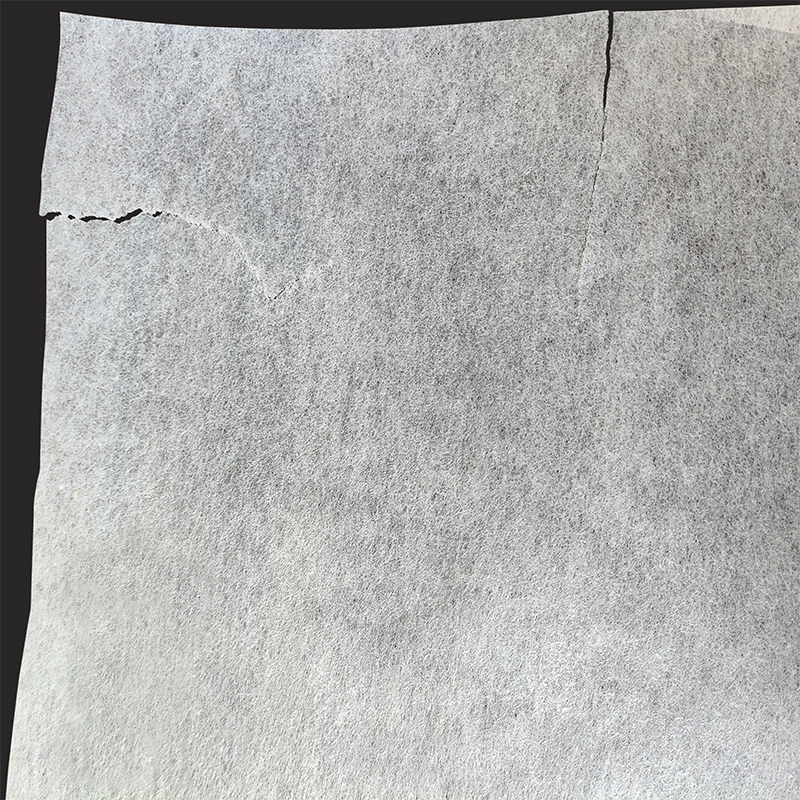 Two-Side Tearaway Polyester Embroidery BackingThis tearaway backing is designed for non-stretch fabrics, providing crisp support that can be removed after stitching. It requires correct technique to avoid issues, as highlighted in the common mistakes table.View Product →
Common Mistakes and How to Fix Them
Many people ruin their sequin projects by using the wrong technique or skipping key preparation. The table below summarises the most common mistakes and practical fixes.
| Mistake | Result | Fix |
|---|---|---|
| Using too much glue | Raised areas, bleeding through, stiff fabric | Apply a thin, even layer; use a foam brush |
| Skipping stabilizer on stretchy fabric | Misaligned sequins, cracks after wear | Use cut-away stabilizer on knits |
| Gluing on unwashed fabric | Adhesive peels off, poor bonding | Wash, dry and iron before starting |
| Not testing glue compatibility | Fabric discoloration, permanent stains | Always test on a swatch first |
If you already have a project where sequins are falling off, the best fix is to remove the loose sequins, clean the surface with a soft cloth, and reapply a fresh dab of fabric adhesive. Do not try to add more glue over the old layer, because the new adhesive will not bond to the cured glue and the sequins will keep slipping off.
Why Stabilizer Backing Improves Sequin Durability
The reason an embroidery stabilizer makes such a difference is structural. When fabric moves or stretches, the glue layer flexes with the fabric. If the fabric stretches but the glue remains rigid, the bond breaks. A stabilizer reduces how much the fabric stretches, keeping the glue layer in the same plane as the fabric.
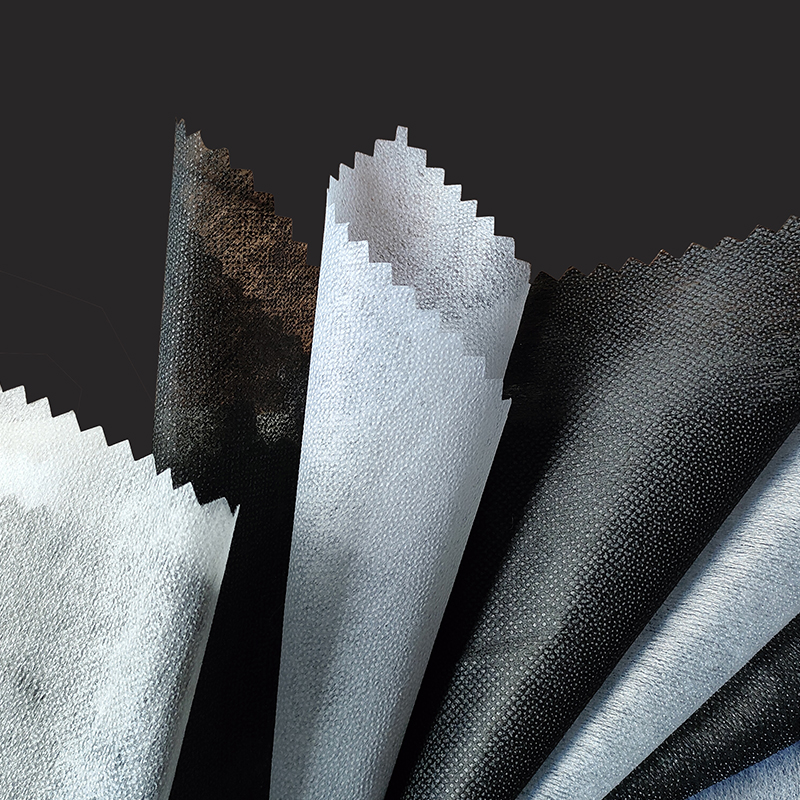
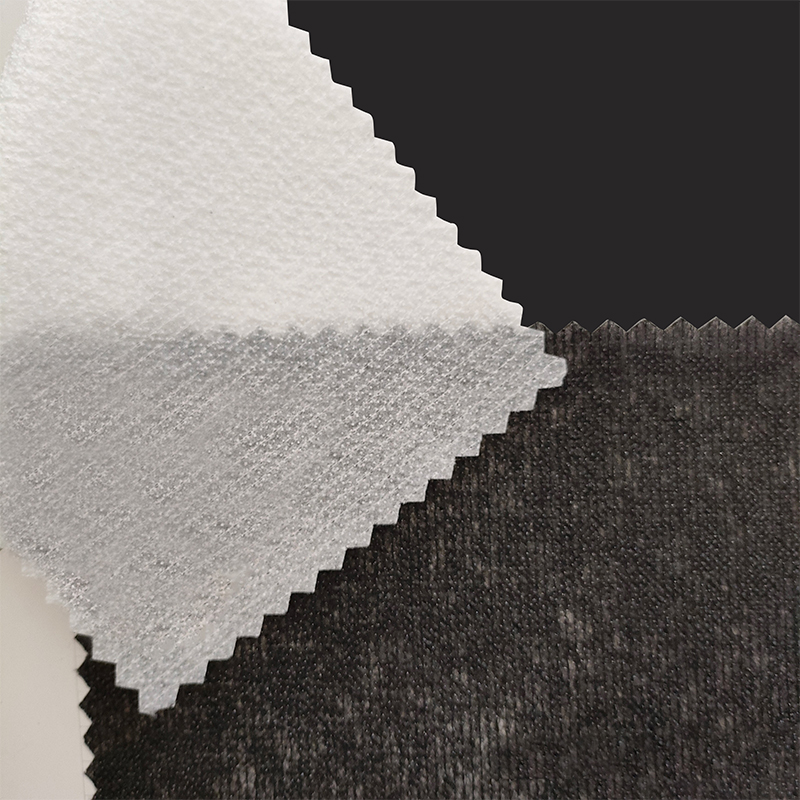
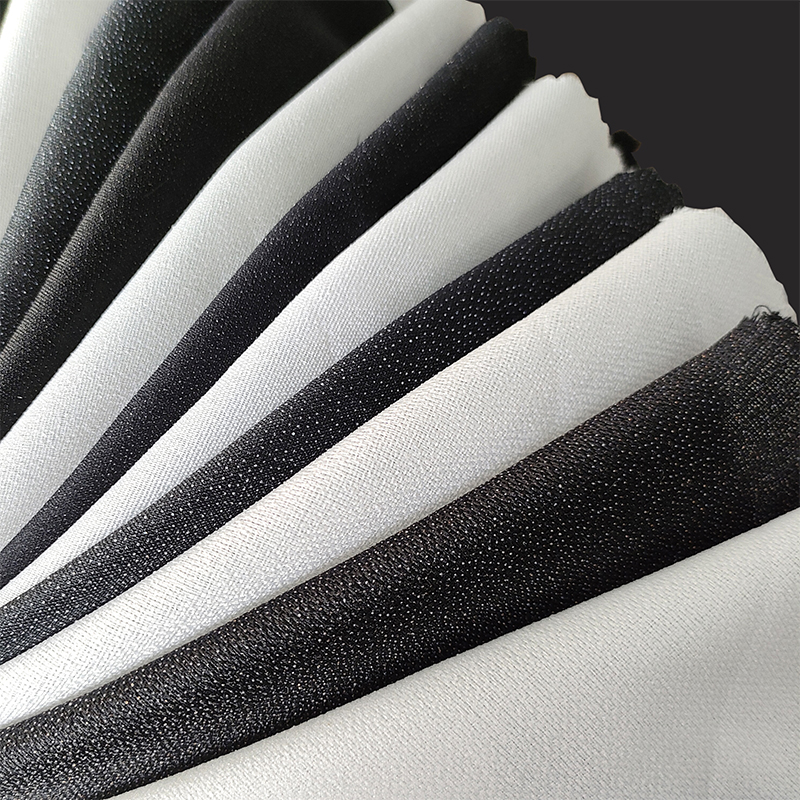
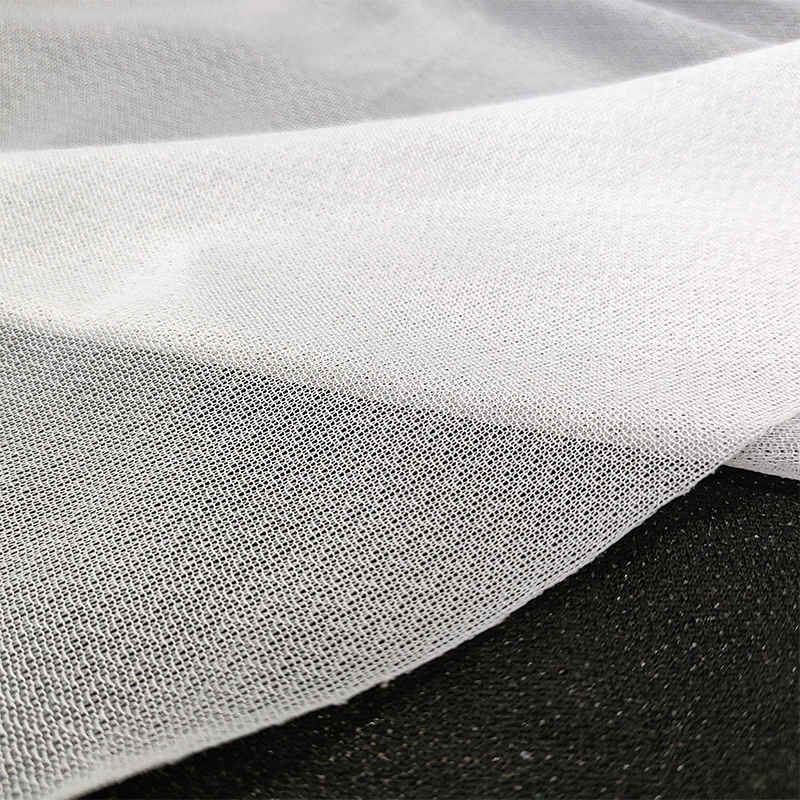
This same mechanism is why garment manufacturers use interlining in collars, cuffs, and front plackets. Interlining and stabilizer work on the same principle: providing a firm backing so decorative elements and fabric layers stay aligned. The industry has used chemical bonding and thermal fusion for decades to create this support. In fact, interlining is often fixed to fabric using a hot-melt glue process very similar to what you would use for sequins. You can read more about fusing interlining to fabric with fusible glue here.
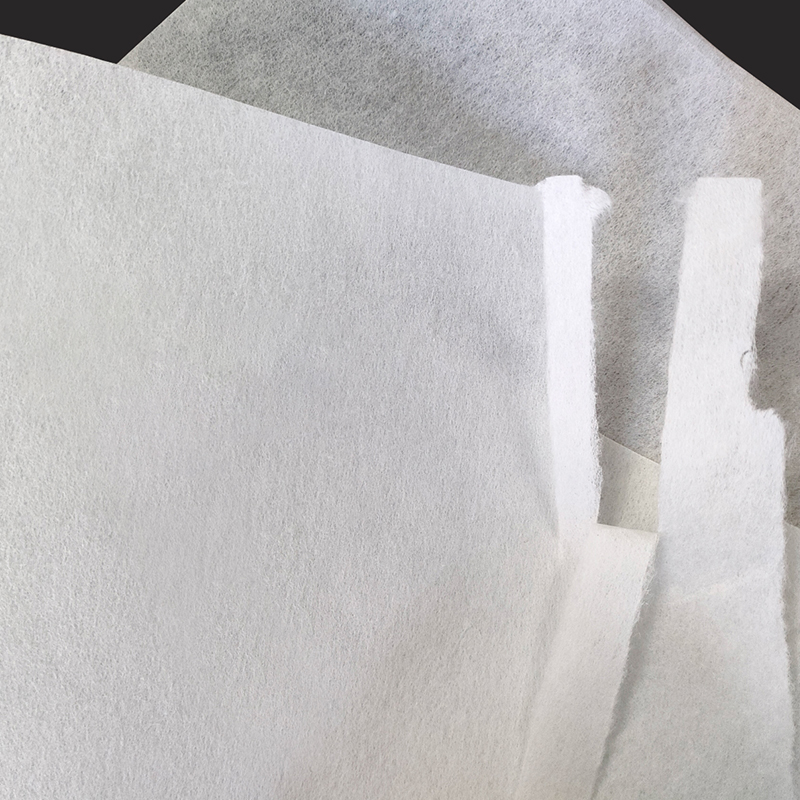 One-Side Cut-Away Polyester Embroidery Backing for Stretch FabricsThis cut-away stabilizer offers permanent reinforcement for knit or stretchy garments, absorbing fabric flex to keep adhesive intact and prevent puckering around sequins, as recommended in the preparation guidance.View Product →
When working on a knit or stretchy garment, choose a cut-away stabilizer made of nonwoven fabric. This permanent backing absorbs the flex of the fabric so the adhesive stays intact. It also prevents the fabric from puckering around the sequins, which is a common problem when you glue decorative elements onto knits without support.
Frequently Asked Questions About Gluing Sequins to Fabric
Can you glue sequins to fabric permanently?
Yes, you can create a permanent bond using a clear fabric adhesive that stays flexible after drying. However, permanent attachment is best achieved by combining glue with a stabilizer and allowing at least 24 hours of curing time before wearing or washing.
What glue is best for gluing sequins to fabric?
A clear, flexible liquid fabric adhesive works best for most projects. For flat areas, hot-melt adhesive film is the most durable because it bonds evenly without visible glue marks and creates a professional finish.
Will hot glue work on sequins?
Hot glue creates a thick, uneven layer that makes fabric stiff and can bleed through. It also cracks when the fabric moves. For this reason, hot glue is not recommended for sequins on fabric.
How do you keep sequins from falling off fabric?
Use a stabilizer, apply a thin even layer of fabric adhesive, and ensure the adhesive is compatible with the fabric. Correct preparation and full drying time are the most important factors.
Can you wash fabric with glued sequins?
Yes, but with care. Use a cold, gentle wash cycle and place the item in a mesh laundry bag. Air dry flat and do not use harsh bleach. Avoid tumble drying on high heat.
What is the difference between tearaway and cut-away stabilizer for sequins?
Tearaway stabilizer can be torn off after gluing, leaving a soft finish. Cut-away stabilizer remains behind, providing permanent support. Use cut-away for stretchy fabrics and tearaway for stable woven materials.
Does fabric type affect the glue choice?
Yes. On synthetic fabrics, check that the glue does not contain solvents that may damage the fibres. On delicate fabrics, use a low-pressure adhesive or switch to sewing. On stretchy fabrics, always use a stabilizer.
How long does fabric glue take to dry?
Most liquid fabric adhesives set in 20-30 minutes and fully cure within 24 hours. Hot-melt film bonds instantly with heat and pressure, making it a faster option for large projects.
Can you glue sequins on stretchy fabric?
Yes, but you must use a cut-away stabilizer and a flexible glue. Otherwise, the adhesive will break when the fabric stretches, and the sequins will eventually come off.
How do you remove sequins from fabric?
Use a seam ripper to lift the sequins gently. Stubborn glue spots can be softened with a warm iron on low heat and a damp cloth. Test the method on a hidden area first to avoid damaging the fabric.