 English
 Español
 Türk
TürkContent
- 1 The Short Answer: How to Cut a T-Shirt the Right Way
- 2 Tools You Need Before You Make the First Cut
- 3 How to Crop a T-Shirt: Step-by-Step
- 4 How to Cut the Neckline of a T-Shirt
- 5 How to Cut T-Shirt Sleeves: From Cap Sleeves to Sleeveless
- 6 How to Cut a T-Shirt into a Tote Bag or No-Sew Project
- 7 Understanding Interlining and Interfacing for T-Shirt Projects
- 8 How to Apply Fusible Interfacing to T-Shirt Fabric
- 9 Creative T-Shirt Cutting Ideas and How to Execute Them
- 10 Common Mistakes When Cutting T-Shirts and How to Avoid Them
- 11 Fabric Weight and Its Impact on How You Cut
- 12 Frequently Asked Questions About Cutting T-Shirts
The Short Answer: How to Cut a T-Shirt the Right Way
Cutting a t-shirt is straightforward once you know the basics: lay it flat on a hard surface, use fabric scissors (never paper scissors), mark your cut lines with chalk or a washable marker, and cut slowly along the line. The single most common mistake is rushing — uneven tension in jersey knit fabric causes wavy edges that can't be fixed. Whether you're cropping a tee, cutting it into a tank top, making fringe, or turning it into a tote bag, the principles are the same: preparation and the right tools matter more than skill.
One detail that most DIY tutorials skip entirely: if your cut t-shirt project involves sewing the cut edges back together — adding a pocket, creating a structured neckline, or attaching panels — you may need interlining or interfacing to stabilize the fabric. Jersey knit stretches in every direction, and without some form of support, sewn edges curl, gap, or distort over time. This guide covers both the cutting techniques and the finishing decisions, including when interlining is worth adding and when it isn't.
Tools You Need Before You Make the First Cut
Having the right tools isn't about being precious — it's about getting a result that looks intentional rather than accidental. These are the items worth having on hand before you start:
- Fabric scissors or shears: A dedicated pair of fabric scissors with at least 7-inch blades makes a clean cut through multiple jersey layers without dragging. Dressmaking shears from brands like Fiskars or Gingher cost between $15 and $40 and last years with proper care. Never use them on paper — it dulls the blade within minutes.
- Rotary cutter and self-healing mat: For straight cuts like cropping a hem or cutting off sleeves, a rotary cutter paired with a cutting mat is more accurate than scissors. A 45mm rotary cutter handles most t-shirt weights cleanly.
- Tailor's chalk or washable fabric marker: Regular pen or pencil marks can bleed or stain. Tailor's chalk brushes off easily, and washable fabric markers (such as Dritz or Clover brands) disappear with water or heat.
- Ruler and measuring tape: A clear quilting ruler (12 to 18 inches) lets you draw perfectly straight lines and measure from the hem or neckline accurately.
- Pins or clips: To hold both layers of fabric together so they don't shift while you cut. Fabric clips (like Wonder Clips) are easier with knits than pins, which can cause the fabric to pucker.
- Iron and ironing board: If you're using any form of interlining or fusible interfacing, an iron is essential. It's also useful for pressing the t-shirt flat before you begin, especially if it's been in a drawer.
One frequently underestimated step: wash and dry the t-shirt before cutting it. Cotton and cotton-blend jerseys can shrink 3–5% in the first wash. If you cut first and wash later, your carefully measured crop or armhole will shift.
How to Crop a T-Shirt: Step-by-Step
Cropping is the most common t-shirt cut and one of the most forgiving. Here's a process that works whether you want a subtle crop just above the waistband or a dramatic cut at the ribcage.
Step 1: Put the shirt on and decide the length
Try the shirt on and use a mirror or ask someone to help. Mark the desired length with a pin or a small piece of tape. Common crop lengths: just below the bust (bralette crop), at the natural waist (mid crop), or 2–3 inches below the waist (relaxed crop). Keep in mind that jersey fabric rolls upward about ½ to 1 inch after cutting, so mark slightly lower than your target length if you want a raw hem.
Step 2: Lay the shirt flat and smooth it out
Place the shirt on a flat, hard surface — a table, floor, or cutting mat. Smooth out any wrinkles and make sure the side seams are aligned. Fold the shirt in half vertically along the center front if you want to ensure both sides are even.
Step 3: Draw the cut line
Using your ruler and chalk or marker, draw a straight horizontal line at the desired length. Measure from the hem upward at several points across the shirt and connect the marks. This ensures the line is truly horizontal rather than following the natural drape of the fabric, which can fool your eye.
Step 4: Cut along the line
Use fabric scissors or a rotary cutter. Cut through both layers at once if the fabric is lightweight (under 200 GSM). For heavier shirts, cut each layer separately. Use long, smooth strokes rather than short snips. Do not lift the fabric while cutting — keep it flat and move the scissors forward.
Step 5: Finish the edge (optional)
Raw-cut jersey edges are a deliberate style choice for many. If you prefer a finished hem, you have several options: fold and sew a narrow hem with a stretch stitch, apply iron-on hem tape, or use a serger. If you're adding a decorative trim or attaching another fabric panel to the cut edge, consider whether a strip of knit interfacing or lightweight interlining along the seam line would help the edge hold its shape during sewing.
How to Cut the Neckline of a T-Shirt
Modifying a neckline — making it wider, deeper, or off-shoulder — is a popular alteration, but it's also where most people run into trouble. The neckline is curved, which means cut edges behave differently than straight cuts.
Wide or Off-Shoulder Neckline
Fold the shirt in half along the center front, aligning the shoulders. Draw your new neckline shape on the folded fabric — this way, when you open the shirt, both sides will be symmetrical. For an off-shoulder look, cut from the existing shoulder seam inward and downward in a gentle curve. Start conservatively — you can always cut more, but you can't add fabric back. Cut slowly around the curve using the tip of your scissors rather than long strokes.
V-Neck Cut
Fold the shirt in half vertically. Mark the depth of the V on the center fold and the width at the shoulder. Connect these two points with a straight or slightly curved line. Cut through both layers. When you unfold, you'll have a symmetrical V. The deeper the V, the more the neckline will stretch open — for a V deeper than 6 inches, using a lightweight fusible interlining strip along the inner edges before finishing will prevent the neck from gaping after washing.
Scoop Neck
Similar to the V-neck process, but the line is curved. Use a round object (a plate or bowl works well) as a template to draw a smooth arc. Fold the shirt in half, trace half the arc on the folded fabric, then cut through both layers. Check your curve by folding and holding the shirt up before you commit to cutting.
How to Cut T-Shirt Sleeves: From Cap Sleeves to Sleeveless
Removing or shortening sleeves changes the silhouette of a shirt dramatically. The key is handling the curved armhole seam correctly.
- Cutting off the sleeve entirely (muscle tee/razor back): Turn the shirt inside out. Cut just outside the sleeve seam — following the existing seam line gives you a guide and avoids an uneven armhole. For a muscle tee, cut straight across just below the shoulder. For a racerback, cut deeper into the armhole and then angle toward the center back.
- Cap sleeve: Mark 2–4 inches from the shoulder seam along the sleeve. Draw a curved line from that point down to the underarm seam. Cut along the line — this leaves a small cap of sleeve fabric that sits at the shoulder.
- Shortening the sleeve: Measure from the hem of the sleeve upward. Mark a straight line parallel to the original hem. Cut and leave as a raw hem, or fold and sew a new hem with a stretch stitch.
When cutting the armhole, avoid cutting the side seam of the shirt unless that's intentional. The side seam is what holds the shirt's structure together — cut it and you've got an open-sided garment that behaves very differently.
How to Cut a T-Shirt into a Tote Bag or No-Sew Project
One of the most practical ways to repurpose an old t-shirt is to convert it into a tote bag — no sewing required. The finished bag won't hold anything too heavy (think groceries under 5 lbs), but it works well for light shopping or beach trips.
- Cut off the sleeves, following the seam line closely.
- Cut a deep scoop neckline to create the bag's opening and handles. The deeper you cut, the longer the handles.
- Turn the shirt inside out. Cut fringe along the bottom hem — strips about 1 inch wide and 3–4 inches long work well.
- Tie each front fringe strip to its corresponding back fringe strip in a double knot. This closes the bottom of the bag without sewing.
- Turn right-side out. The fringe knots sit on the outside as a decorative detail, or you can tuck them inside.
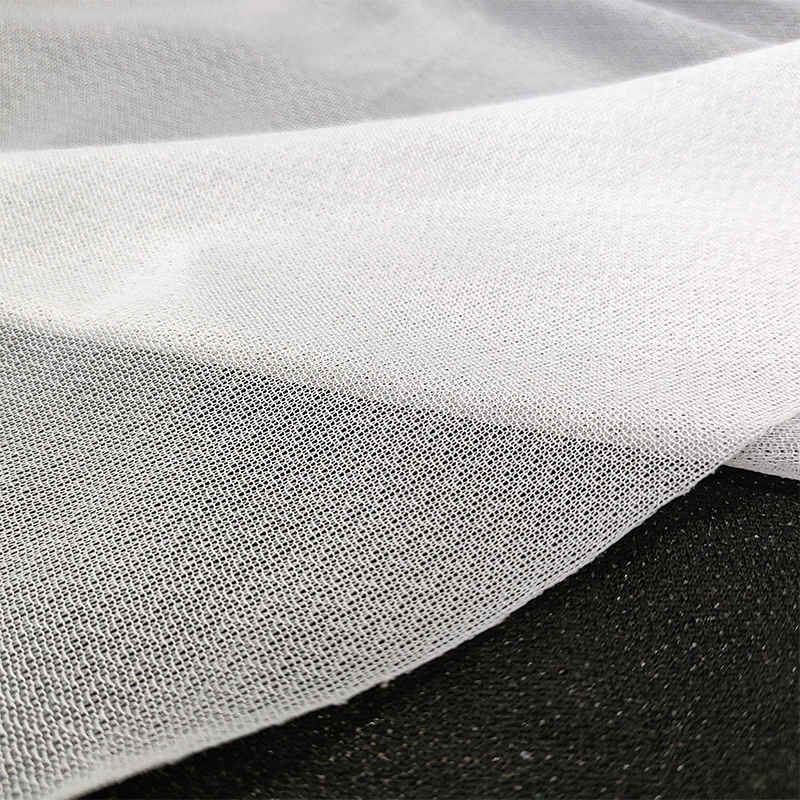
If you want a stronger, more structured tote — one that can carry heavier items or hold its shape when empty — this is where interlining becomes relevant. A piece of woven interlining or fusible fleece can be cut to size and attached to the inside of the shirt before you begin. Fusible fleece interlining adds body and structure to the walls of the bag, making it more functional and giving the finished project a cleaner, more professional appearance.
Understanding Interlining and Interfacing for T-Shirt Projects
Most people cutting t-shirts for simple DIY projects never need to think about interlining. But if your project involves sewing, structured edges, or garment construction — turning a t-shirt into a garment with clean seams, attached collars, or stiffened panels — understanding the difference between interlining, interfacing, and lining will save you from frustrating results.
What Is Interlining?
Interlining is a layer of fabric placed between the outer fabric and the lining of a garment. Its primary purpose is to add warmth, structure, or body. In tailoring, interlining is commonly used in coat bodies, jacket fronts, and structured bags. Unlike interfacing, interlining typically covers large areas of a garment rather than being applied only at seams or edges. Interlining materials include wool, cotton flannel, bump (a thick, fluffy fabric), and various synthetic alternatives.
When working with a cut t-shirt — for example, if you're converting it into a structured zip-up jacket body or a quilted outer layer — interlining added inside the panels gives the finished piece a substantial, finished feel that jersey alone cannot achieve.
What Is Interfacing?
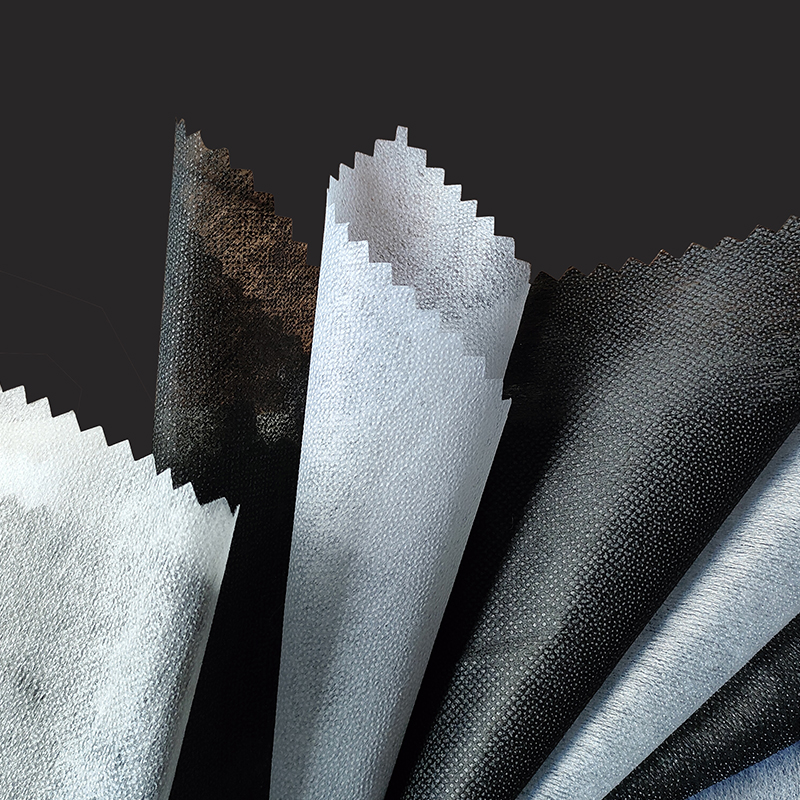
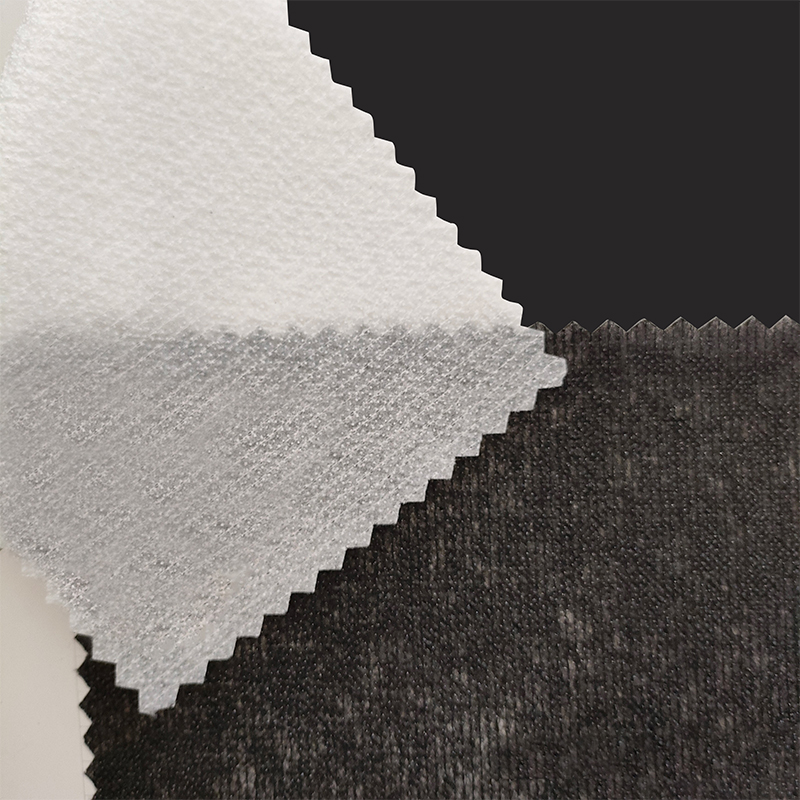
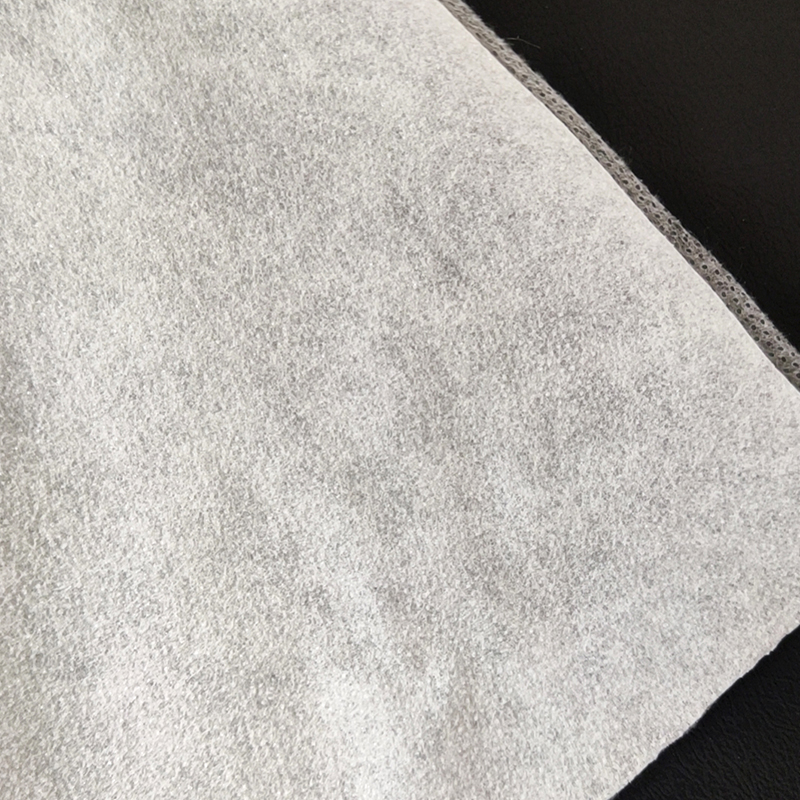
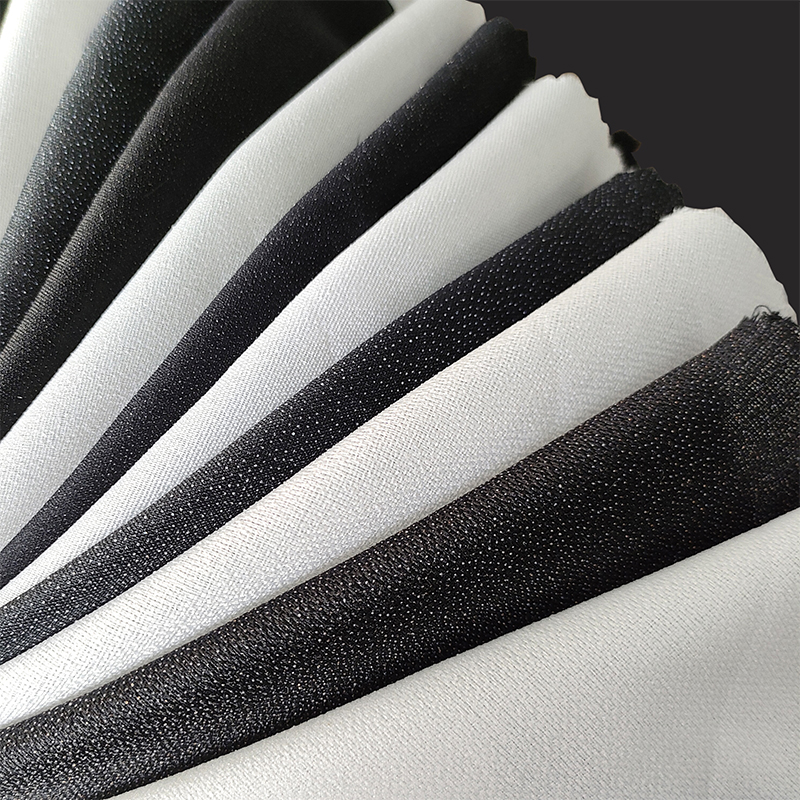
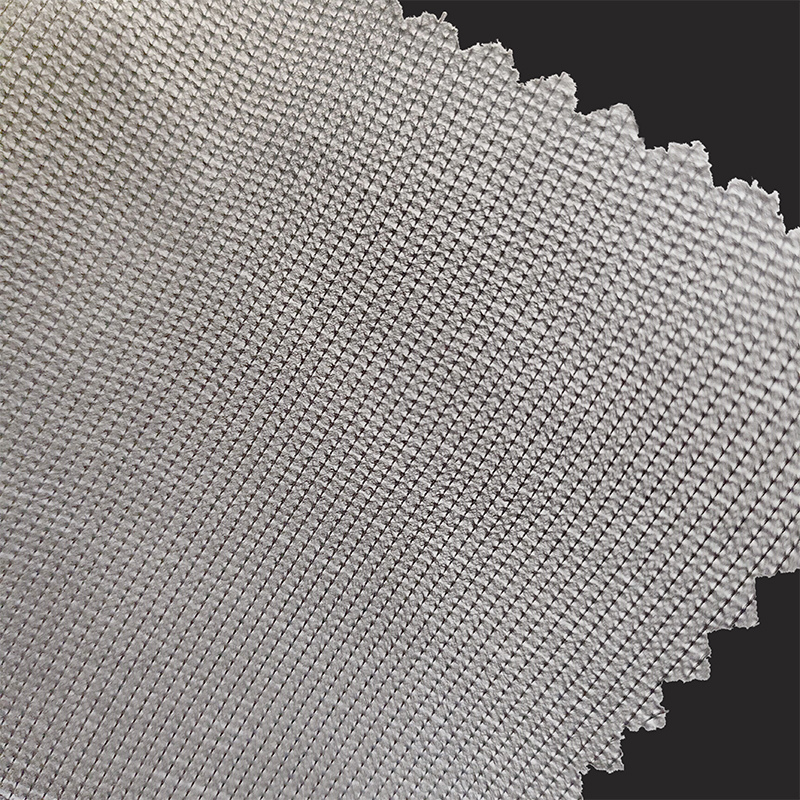
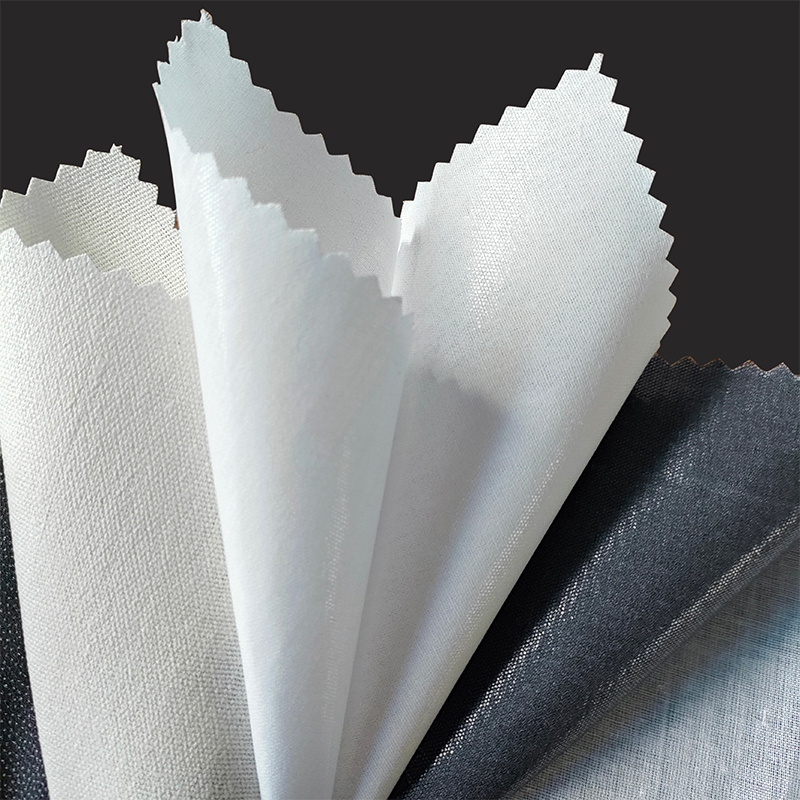
Interfacing is a stabilizing material applied to specific areas of a garment — collars, cuffs, button bands, waistbands, and pocket openings. It can be woven or non-woven, sew-in or fusible. Fusible interfacing, which bonds to fabric when pressed with a hot iron, is the most practical option for home projects involving t-shirt fabric.
For t-shirt projects, a lightweight fusible knit interfacing (such as Pellon 906F or Vilene knit interfacing) is often the best choice. It stabilizes without adding stiffness that fights the stretch of jersey. Use it along necklines that need to hold their shape, at pocket openings on cut shirts, and anywhere you're sewing a button or snap through jersey fabric.
Interlining vs. Interfacing vs. Lining: Quick Comparison
| Layer | Location in Garment | Primary Purpose | Common Materials | Typical T-Shirt Use Case |
|---|---|---|---|---|
| Interlining | Between outer fabric and lining | Warmth, body, structure | Wool, flannel, fleece, bump | Structured tote bags, quilted panels, coat bodies |
| Interfacing | Fused or sewn to wrong side of outer fabric | Stabilization, edge control | Woven, non-woven, knit; fusible or sew-in | Necklines, button bands, pocket edges |
| Lining | Inside of finished garment | Finish, comfort, cover seams | Silk, rayon, polyester, cotton lawn | Lined vest made from t-shirt panels, lined tote |
When Do You Actually Need Interlining for a T-Shirt Project?
For most casual cutting projects — raw-hem crops, sleeve removals, fringe cuts — you don't need interlining at all. Jersey's raw edges curl naturally and that's part of the aesthetic. But consider using some form of stabilizing material in these situations:
- You're cutting a deeply modified neckline that will be topstitched or bound with bias tape — a narrow strip of knit interfacing behind the seam allowance keeps the curve from distorting.
- You're making a bag from t-shirt fabric and want it to hold its shape — fusible fleece (a type of interlining) on the bag panels makes a significant difference.
- You're attaching a zipper, buttons, or snaps through jersey — interfacing behind the attachment point prevents the fabric from puckering or tearing at stress points.
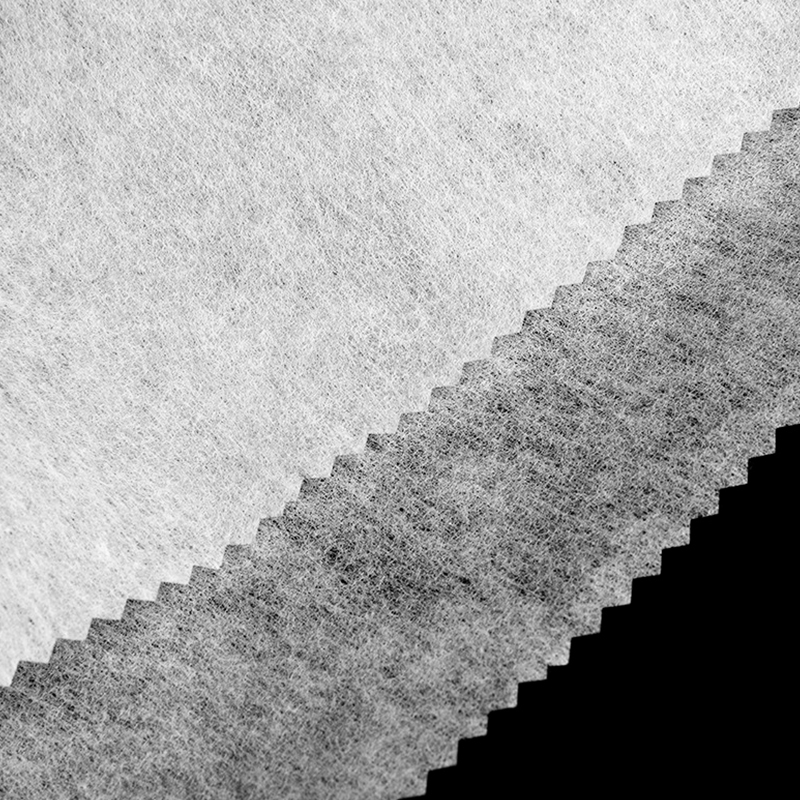
- You're using a very lightweight or open-knit t-shirt fabric that has almost no body — even a lightweight non-woven interfacing on the wrong side can give you enough stability to cut and sew cleanly.
How to Apply Fusible Interfacing to T-Shirt Fabric
Applying fusible interfacing to jersey requires a slightly different approach than applying it to woven fabric, because heat and pressure can stretch the knit if you're not careful.
- Cut the interfacing to the correct size. For a neckline, cut a strip about ¾ inch wide along the seam line. For a pocket opening, cut a rectangle slightly larger than the opening.
- Place the shirt on the ironing board wrong-side up. The interfacing goes adhesive-side down onto the wrong side of the fabric.
- Use a pressing cloth between the iron and the interfacing to prevent scorching. A damp pressing cloth also helps activate the adhesive.
- Press, don't iron. Lift and place the iron — don't drag it across the fabric. Dragging stretches the jersey and can cause the interfacing to pucker or misalign. Hold for 10–15 seconds per section with firm, even pressure.
- Allow to cool fully before handling. The bond isn't complete until the adhesive has cooled. Moving the fabric while still warm can cause the interfacing to shift.
Test on a scrap piece first. Different iron temperatures, different interfacing weights, and different jersey compositions interact in slightly different ways. A two-minute test on a cut-off piece can save an entire project.
Creative T-Shirt Cutting Ideas and How to Execute Them
Beyond the basics, there are several cutting styles that are popular, achievable, and rewarding.
Fringe Cut
Mark a horizontal line 3–4 inches from the hem. Cut vertical strips from the hem up to that line — each strip should be about ¾ to 1 inch wide. Jersey fringe curls inward when stretched gently, creating a rope-like appearance. You can leave it as flat fringe or stretch each strip to get the curl effect. This technique also works along the sides of a cut-open shirt.
Lattice or Woven Back
Turn the shirt inside out. Mark a rectangle in the center back — from just below the neckline to the middle of the shirt. Cut horizontal slits across the rectangle, about ¾ inch wide and spaced ¾ inch apart, leaving 1 inch of uncut fabric on each side. Weave alternate strips over and under each other to create a lattice pattern. This is a more involved cut that requires patience, but the result is striking and completely reversible in terms of style decisions — you can leave the woven pattern loose or tight depending on preference.
Knotted Side or Front
Cut a short horizontal slit (about 1–2 inches) on one or both side seams at the hip, or near the hem at center front. Pull the two cut pieces (front and back) through the slit and tie them into a knot on the outside. This creates a gathered, tied effect that takes in the hem slightly and adds visual interest without extensive cutting.
Open-Back Cut
Draw your desired open-back shape on the shirt — a deep oval, a geometric cutout, a wide U shape — on the back of the shirt while it's laid flat. Cut out the shape carefully, rounding all curves slowly. For an open-back design with a finished edge (rather than raw), apply a thin strip of fusible knit interfacing around the cutout edge before binding or hemming with bias tape. Without some stabilization, a large cutout on jersey will stretch out of shape within a few wearings.
T-Shirt Yarn
An entire t-shirt can be converted into a continuous strip of jersey yarn for knitting, crocheting, or macramé. Cut off the hem and the top portion of the shirt (above the armholes), leaving a clean tube of fabric. Fold the tube and cut diagonal strips from one edge, stopping about 1 inch before the opposite edge. Open the tube and connect the strips by cutting at the uncut section at an angle — this creates a single continuous length of fabric. Jersey t-shirt yarn from one average adult shirt typically yields about 50–80 yards of yarn at ½ inch width, enough for a small basket or a few coasters.
Common Mistakes When Cutting T-Shirts and How to Avoid Them
Even with the right tools and a clear plan, there are a handful of errors that trip people up repeatedly.
- Cutting too much at once: The most universally regretted mistake. Jersey has no visual cue for how much it will stretch after cutting. Always cut less than you think you need — you can always go back and cut more, but you cannot reattach cut fabric.
- Using dull scissors: Dull blades drag the fabric, causing uneven, jagged edges. If your scissors leave pulled threads rather than a clean cut, they need sharpening or replacing.
- Not accounting for the curl: Cut jersey edges — especially horizontal cuts on the body and curves on necklines and armholes — roll toward the right side of the fabric. If you want a flat edge, you need to hem it. If you want a raw hem look, cut ½ to 1 inch lower than your target length.
- Cutting through both layers without aligning them: If the shirt is not lying perfectly flat and both layers aren't aligned before you cut, you'll end up with a front and a back that are different lengths. Always smooth, align, and pin or clip before cutting through multiple layers.
- Skipping the test cut on interfacing or interlining: Using fusible interlining materials on jersey without testing first can result in the fabric bubbling, shrinking, or becoming stiff in unexpected ways. Every iron, every interfacing product, and every fabric weight combination behaves slightly differently.
- Choosing the wrong interfacing type: Using a stiff woven interfacing on jersey creates an unpleasant contrast in stretch — the interfaced area won't move with the rest of the fabric. Always use knit-specific interfacing (like Pellon 906F or a similar knit fusible) when working with jersey to maintain consistent stretch throughout the garment.
Fabric Weight and Its Impact on How You Cut
Not all t-shirts cut the same way. Fabric weight — measured in grams per square meter (GSM) — significantly affects how the fabric behaves when cut, how much it curls, and whether it needs additional stabilization.
| Weight Range (GSM) | Common Examples | Cut Behavior | Stabilization Need |
|---|---|---|---|
| 100–150 GSM | Lightweight fashion tees, jersey scarves | High curl, very stretchy, delicate to cut | High — interfacing or interlining often needed for structural cuts |
| 150–200 GSM | Standard cotton tees (most retail basics) | Moderate curl, manageable stretch | Moderate — needed for construction projects, optional for raw-edge DIY |
| 200–280 GSM | Premium tees, heavyweight streetwear | Low curl, holds shape well after cutting | Low — may not need interfacing for simple cuts |
| 280+ GSM | Double-layered tees, athletic jerseys | Minimal curl, stiff feel, harder to cut | Rarely needed — fabric has enough body on its own |
If you don't know the GSM of your shirt, rub a corner between your fingers. Lightweight shirts are almost sheer when held to light and feel flimsy. Heavyweight shirts feel substantial, almost like sweatshirt material. The heavier the shirt, the more it will behave like a woven fabric and the less you'll need to worry about interlining or edge finishing.
Frequently Asked Questions About Cutting T-Shirts
Can you cut a t-shirt without sewing?
Yes. Most casual t-shirt cutting projects — cropping, widening the neckline, removing sleeves, adding fringe, making a no-sew tote — require no sewing at all. Jersey's raw edges curl and don't fray, so they're perfectly stable without finishing. The exception is if you want a flat, polished hem or if you're making a structural project like a bag that will hold weight.
What's the best way to cut a straight line on a t-shirt?
Fold the shirt in half vertically or horizontally (depending on the direction of your cut), align the seams, and draw a line with a ruler and chalk. Then clip the two layers together and cut along the line with a rotary cutter on a cutting mat, or with fabric scissors using long, smooth strokes. The fold ensures both sides are mirror images of each other.
Do you need interlining to make a t-shirt bag?
Not for a simple no-sew fringe tote. But if you want a structured bag with defined shape and sides that don't collapse when empty, applying fusible fleece (a type of interlining) to the outer fabric panels before assembly makes a significant difference. It adds body and makes the bag look intentional rather than improvised. Fusible fleece interlining is also washable, so the bag can be laundered without the structure deteriorating.
How do you stop cut t-shirt edges from fraying?
Jersey doesn't fray — this is one of its key properties. It does curl, but it doesn't produce loose threads at cut edges the way woven fabrics do. If you're seeing fraying, the fabric may be a woven blend rather than a true knit. In that case, finish the edge with a serger, a zigzag stitch, or fray check liquid applied to the raw edge.
Can you use regular interfacing instead of knit interfacing on a t-shirt?
You can, but the result will feel stiff and won't stretch with the jersey. The interfaced section will pucker, pull, and eventually cause the fabric around it to distort. For t-shirt fabric specifically, always use knit-compatible interlining or interfacing — it's designed to flex with the fabric while still providing stabilization. Pellon 906F, SF101, and Vilene G740 are commonly available knit interfacing options that work well with jersey weights between 150 and 220 GSM.