 English
 Español
 Türk
TürkContent
- 1 How Much Does A Cotton Shirt Weigh
- 2 What Actually Determines Shirt Weight
- 3 Average Weight By Shirt Type
- 4 How Size Changes The Number On The Scale
- 5 Understanding GSM: The Real Weight Language Of Fabric
- 6 Why Interlining Adds More Weight Than You Would Expect
- 7 How To Check A Shirt's Weight Yourself
- 8 Cotton Shirt Weight Compared With Other Fabrics
- 9 Why Shirt Weight Matters In Practice
- 10 Frequently Asked Questions
- 10.1 What is the average weight of a men's cotton shirt?
- 10.2 Does interlining make a shirt noticeably heavier?
- 10.3 How much does a T-shirt style cotton shirt weigh compared to a dress shirt?
- 10.4 Why do two shirts in the same size weigh differently?
- 10.5 Is a heavier cotton shirt always better quality?
- 10.6 How is shirt weight measured for shipping purposes?
How Much Does A Cotton Shirt Weigh
A standard adult cotton shirt weighs between 150 grams and 300 grams (about 5.3 to 10.6 ounces), depending on the fabric weight, cut, and trims used. A lightweight cotton dress shirt made from poplin or broadcloth usually sits near 160 to 200 grams, while a heavier flannel or oxford-cloth shirt can reach 280 to 320 grams. Short-sleeve casual shirts and T-shirt style cotton shirts are lighter still, often falling between 130 and 180 grams.
Weight is not a fixed number because a shirt is built from several components stacked together: the body fabric, the collar, the cuffs, the plackets, the buttons, and the interlining hidden inside the collar and cuff layers. Each of these adds its own share of grams, and the total changes with size, sleeve length, and how many layers of fabric the pattern calls for.
What Actually Determines Shirt Weight
Before comparing numbers, it helps to know which variables move the scale. A shirt's finished weight is the sum of fabric density, garment size, construction style, and the hidden support layers sewn into the collar, cuffs, and front placket.
- Fabric weight (GSM) — the grams-per-square-meter of the woven cotton is the single biggest factor; a 120 GSM voile and a 220 GSM twill use the same pattern but end up in very different weight classes.
- Garment size — an XXL shirt can use 25 to 35 percent more fabric than a Small, which adds directly to the final weight.
- Sleeve length — long sleeves with functioning cuffs add fabric, interlining, and extra buttons compared with short sleeves.
- Interlining and interfacing — collars, collar stands, cuffs, and front plackets are almost always reinforced with a layer of interlining to hold their shape, and this layer adds measurable weight even though it is invisible from the outside.
- Weave and finish — a tightly woven twill or oxford weave packs more yarn into the same area than a plain weave, so it weighs more even at a similar thread count.
- Trims — buttons, labels, and reinforced seams add small but consistent amounts, usually 3 to 8 grams combined.
Average Weight By Shirt Type
Different shirt styles are cut from different fabric families, so the type of shirt is often a faster predictor of weight than the size label. The table below lists typical finished weights for a men's medium size in each style, based on common production specifications used by shirt manufacturers.
| Shirt Type | Typical Fabric | Average Weight |
|---|---|---|
| Dress shirt (poplin) | 100–130 GSM cotton poplin | 160–190 g |
| Oxford button-down | 150–180 GSM oxford weave | 220–260 g |
| Casual short-sleeve shirt | 120–140 GSM plain weave | 140–170 g |
| Flannel shirt | 180–220 GSM brushed cotton | 280–320 g |
| Denim/chambray shirt | 160–200 GSM chambray | 240–280 g |
| Linen-cotton blend shirt | 110–140 GSM blend | 150–180 g |
How Size Changes The Number On The Scale
Within a single fabric type, size is the second largest driver of weight. A pattern grader adds fabric proportionally to the chest, sleeve, and body length as sizes increase, so weight climbs in a fairly predictable step from Small to XXL.
| Size | Chest Width (approx.) | Estimated Weight |
|---|---|---|
| Small | 96–100 cm | 155–165 g |
| Medium | 102–106 cm | 165–180 g |
| Large | 108–112 cm | 180–195 g |
| XL | 114–120 cm | 195–215 g |
| XXL | 122–128 cm | 215–235 g |
This is why two shirts that look identical on a hanger can weigh 60 to 70 grams apart — one extra size class alone can account for most of that difference.
Understanding GSM: The Real Weight Language Of Fabric
GSM stands for grams per square meter, and it is the standard unit mills and shirt factories use to describe fabric density. It matters more than thread count for predicting how heavy a finished shirt will feel.
Light Weight: Under 120 GSM
Fabrics in this range are used for summer shirts, voile, and lightweight poplin. Shirts made from them feel airy and often weigh under 170 grams even in larger sizes.
Medium Weight: 120 to 170 GSM
This is the most common range for everyday dress shirts and casual button-downs. It balances drape, durability, and breathability, producing shirts in the 170 to 240 gram range.
Heavy Weight: 170 GSM And Above
Flannel, brushed twill, and heavy oxford fall here. These fabrics resist wrinkling and wear well in cold weather, but the tradeoff is a shirt that can weigh 50 to 90 grams more than a light or medium weight equivalent in the same size.
Why Interlining Adds More Weight Than You Would Expect
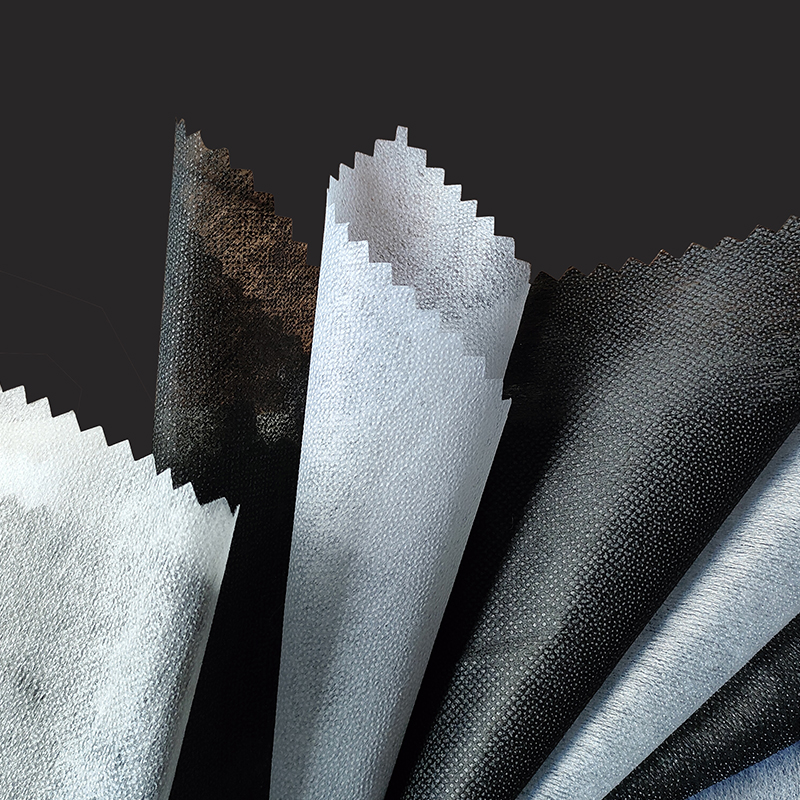
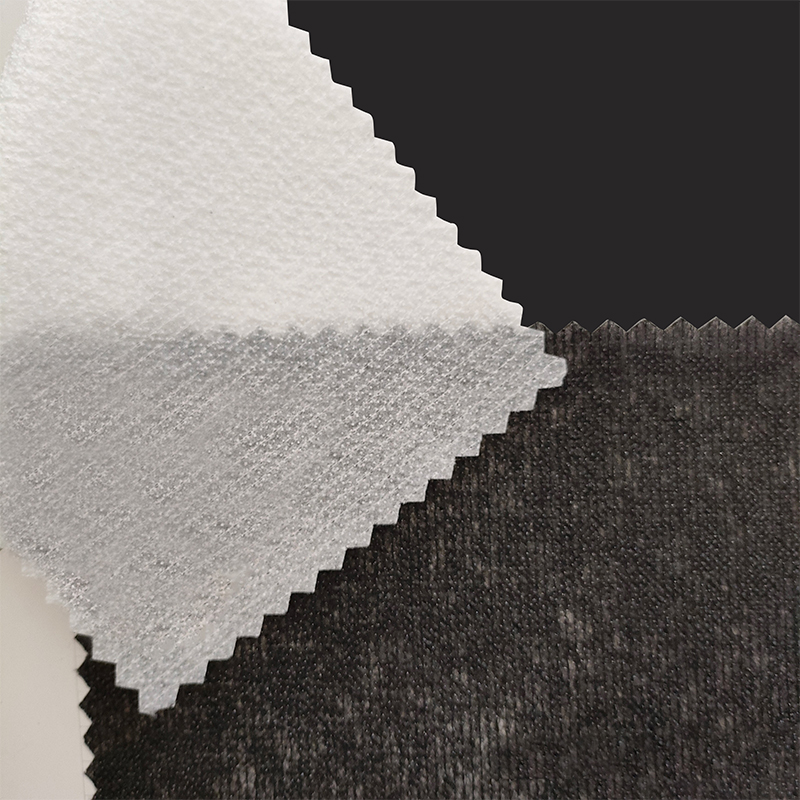
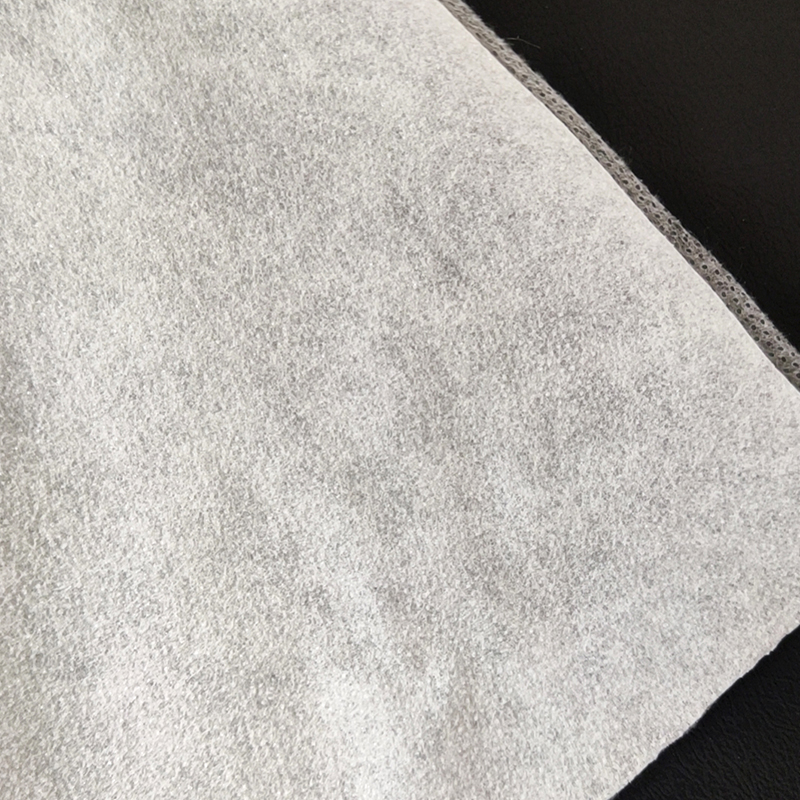
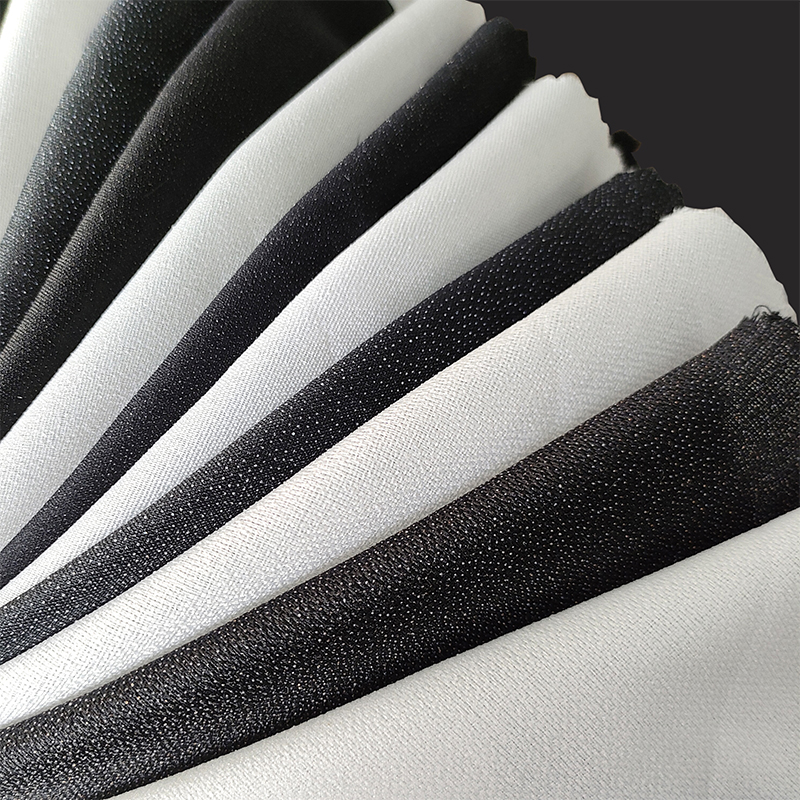
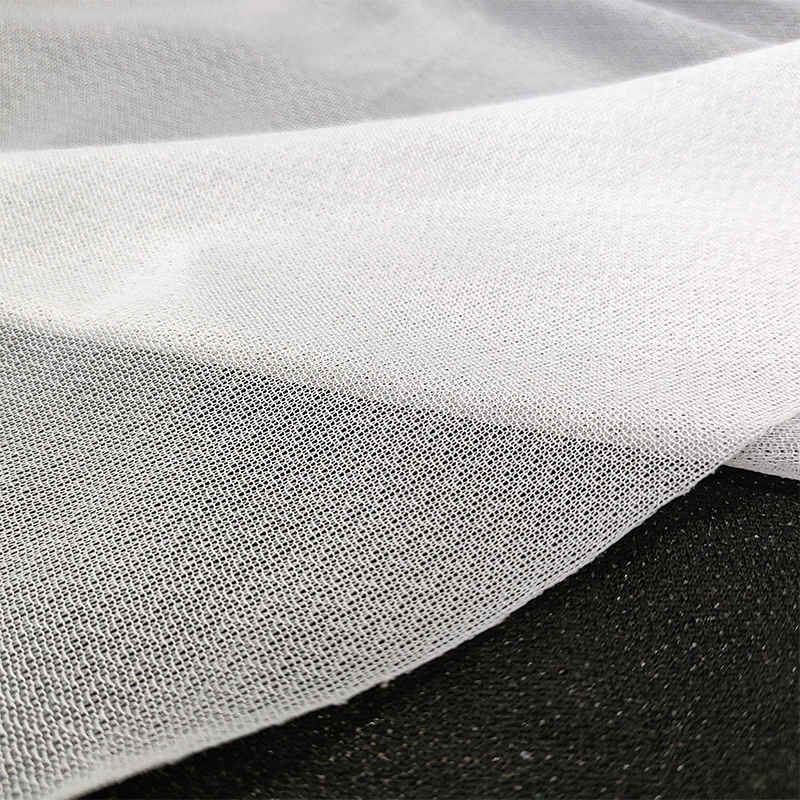
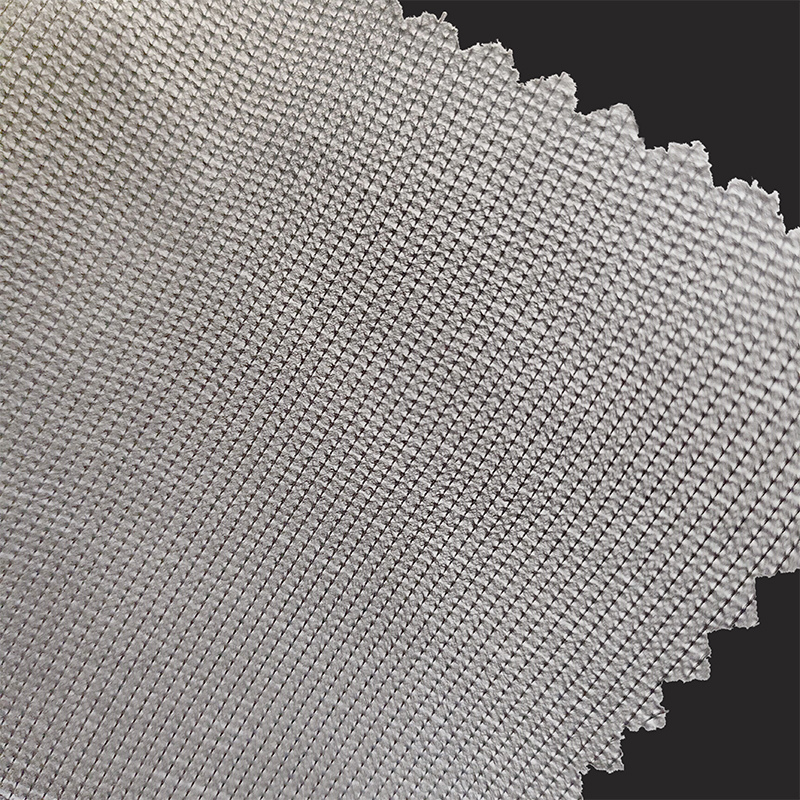
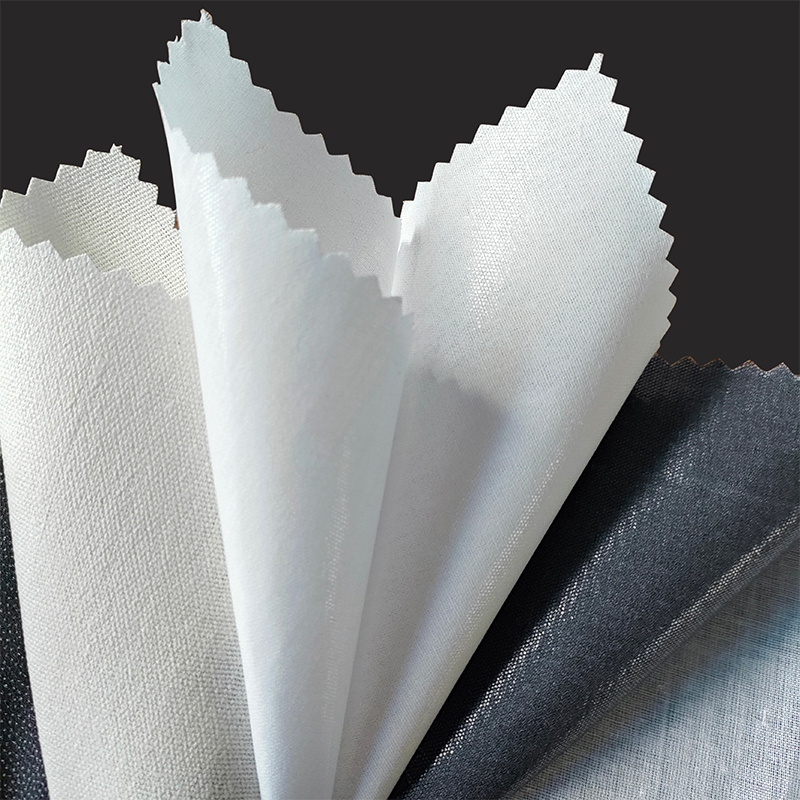
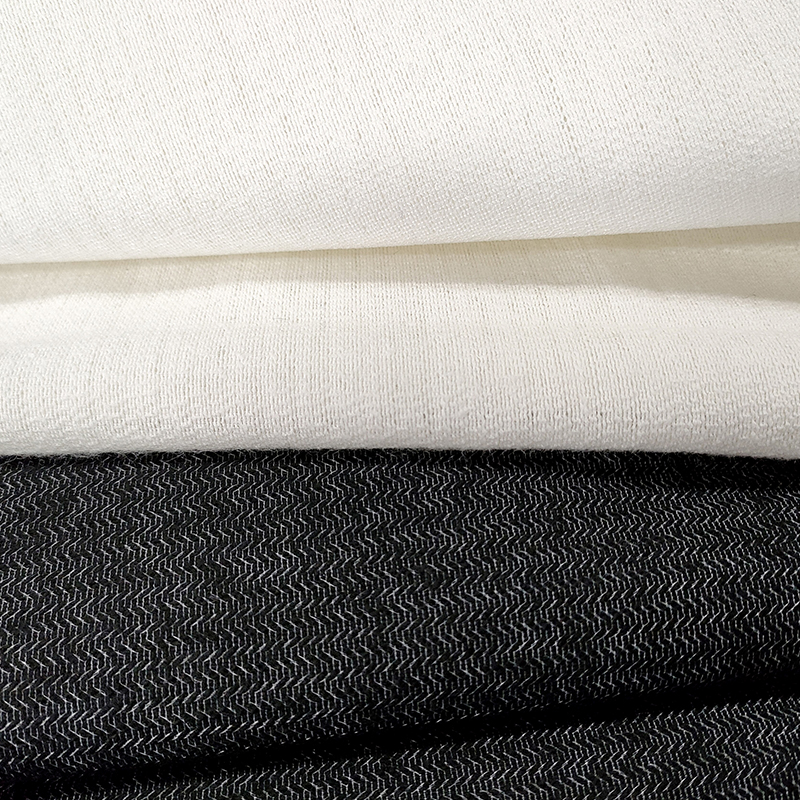
Interlining is the layer of fusible or sew-in material placed between two layers of outer fabric to give structure to the collar, collar stand, cuffs, and front placket. Without it, a cotton collar would fold flat and lose its shape after the first wash. With it, the collar holds a crisp line, but the shirt also gains weight in a very specific, concentrated way.
A typical woven or non-woven interlining used in shirt collars weighs somewhere between 40 and 90 grams per square meter, and it is applied in small pieces rather than across the whole garment. Even so, the collar, collar stand, two cuffs, and the front placket together can add 8 to 15 grams to a finished shirt — a small percentage of total weight, but enough to be noticeable on a precision scale, and enough to matter for factories calculating fabric consumption per thousand units.
Heavier fusible interlining is generally chosen for structured collars on formal dress shirts, while a lighter, softer interlining is used on casual or soft-collar shirts to keep the garment from feeling stiff. This is one reason two shirts with the same outer fabric and the same size can still differ by 10 grams or more: the interlining weight and the number of reinforced panels are not always identical between styles.
How To Check A Shirt's Weight Yourself
If you want an accurate number rather than an estimate, weighing a shirt directly takes less than a minute and is the method used in most quality control checks before shipment.
- Use a kitchen or postal scale with at least 1 gram accuracy, since shirt weight differences are often small.
- Remove any tags, hangers, or packaging clips before placing the shirt on the scale.
- Lay the shirt flat rather than folding it, so no part hangs off the scale platform.
- Record the reading in grams, then convert to ounces if needed by dividing by 28.35.
- For fabric-only GSM calculations, cut a 10 by 10 centimeter swatch, weigh it, then multiply the result by 100 to get grams per square meter.
Cotton Shirt Weight Compared With Other Fabrics
Cotton sits in the middle of the weight spectrum among common shirting fabrics. Understanding how it compares helps explain why a cotton shirt feels different from a polyester or linen shirt of the same cut.
| Fabric | Average Weight | Feel |
|---|---|---|
| 100 percent cotton | 160–280 g | Breathable, structured |
| Polyester | 120–170 g | Light, less breathable |
| Linen | 130–190 g | Airy, wrinkles easily |
| Cotton-polyester blend | 140–200 g | Balanced durability |
Why Shirt Weight Matters In Practice
For Buyers And Wearers
Weight is a quick, honest signal of fabric quality. A shirt that feels unusually light for its price point often uses a lower GSM fabric or thinner interlining, which can translate into faster wear at the collar and cuffs.
For Manufacturers And Exporters
Shirt weight directly affects shipping cost calculations, since freight for bulk orders is frequently priced by weight or by a weight-to-volume ratio. Factories also track weight as a quality control checkpoint, comparing finished garments against the approved specification sheet to confirm the right fabric and interlining were used in production.
For Comfort In Different Climates
Lighter shirts under 180 grams suit hot, humid conditions because they trap less heat, while shirts above 250 grams provide more insulation and structure, making them better suited to cooler seasons or more formal settings.
Frequently Asked Questions
What is the average weight of a men's cotton shirt?
Most men's cotton dress and casual shirts weigh between 160 and 260 grams, with the exact figure depending on fabric GSM, size, and sleeve length.
Does interlining make a shirt noticeably heavier?
Interlining typically adds only 8 to 15 grams in total across the collar, cuffs, and placket, so it changes the feel of those specific areas more than it changes the overall weight of the shirt.
How much does a T-shirt style cotton shirt weigh compared to a dress shirt?
A cotton T-shirt style shirt usually weighs less, often between 120 and 180 grams, because it lacks a structured collar, cuffs, and the interlining used to reinforce those parts.
Why do two shirts in the same size weigh differently?
Even at an identical size, fabric GSM, weave type, interlining weight, and the number of reinforced panels can all vary between styles, producing weight differences of 30 grams or more.
Is a heavier cotton shirt always better quality?
Not necessarily. Weight reflects fabric density and construction, not craftsmanship. A well-made lightweight poplin shirt can be higher quality than a poorly finished heavyweight one; weight is best used alongside stitching, seam finishing, and interlining quality as a combined quality indicator.
How is shirt weight measured for shipping purposes?
Exporters typically weigh a sample garment per size and multiply by order quantity to estimate total shipment weight, then compare that figure against carton tare weight and volumetric weight to choose the most cost-effective shipping method.