 English
 Español
 Türk
TürkContent
- 1 What Is Interlining and Why Every Tote Bag Needs It
- 2 Choosing the Right Fabrics and Interlining for Your Tote Bag
- 3 Complete Supplies List Before You Cut Anything
- 4 Cutting All Panels Accurately — Including Interlining
- 5 How to Apply Interlining to Each Outer Panel
- 6 Sewing Strong, Professional Handles
- 7 Assembling the Outer Bag Body Step by Step
- 8 Constructing and Installing the Lining
- 9 Finishing the Handles With a Box-and-X Stitch
- 10 Common Problems When Sewing a Tote and How to Fix Them
- 11 Tote Bag Variations That Use Interlining Differently
- 12 Caring for a Finished Sewn Tote Bag
- 13 Professional Finishing Tips That Elevate a Handmade Tote
Knowing how to sew a tote bag is one of the most rewarding and practical skills you can develop in sewing. Whether you are making a reusable grocery carrier, a beach bag, or a stylish everyday accessory, the process involves far more nuance than most tutorials suggest. The single factor that separates a floppy, flimsy tote from a structured, store-quality bag is interlining — a stabilizing layer of fabric fused or sewn between the outer shell and the lining. Once you understand how interlining works and how to apply it correctly, your finished tote bags will hold their shape, survive heavy loads, and look polished after repeated washing. This guide walks through every step in detail, from fabric selection and cutting to applying interlining, assembling the bag body, installing handles, and finishing the lining — so you have everything you need to produce a durable, beautiful tote from scratch.
What Is Interlining and Why Every Tote Bag Needs It
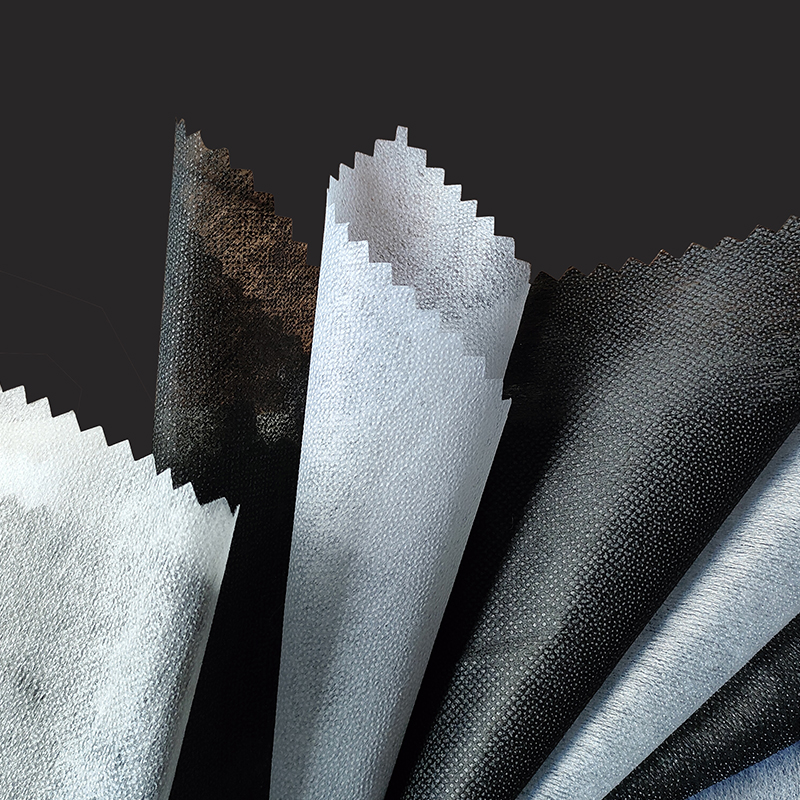
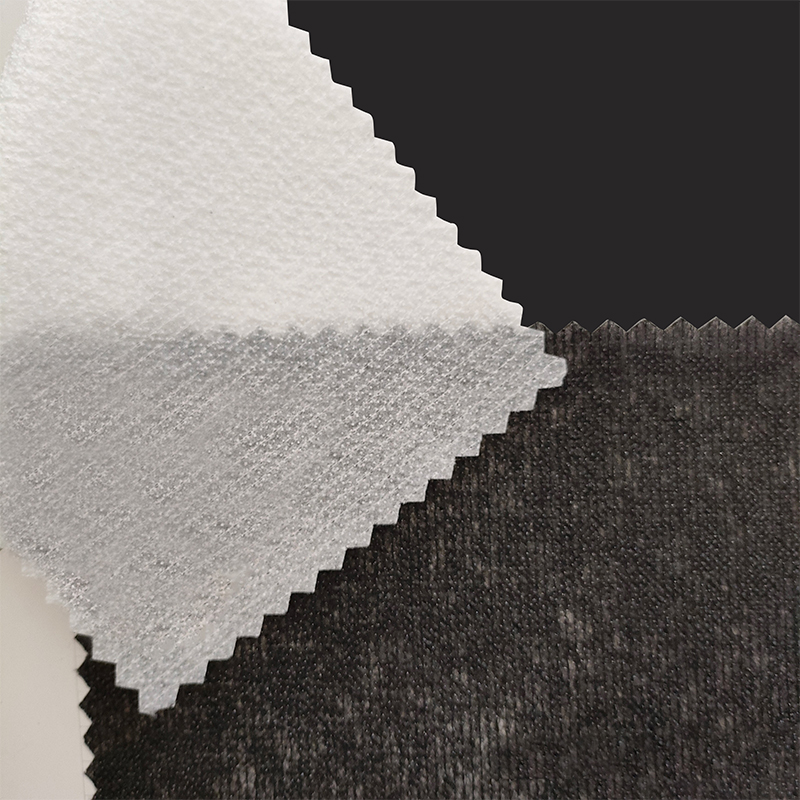
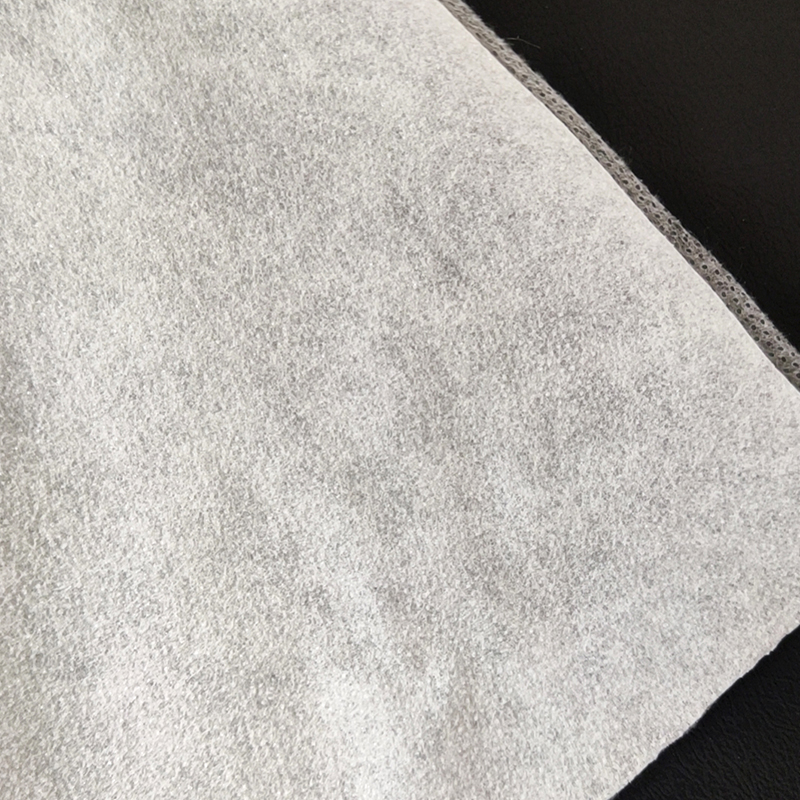
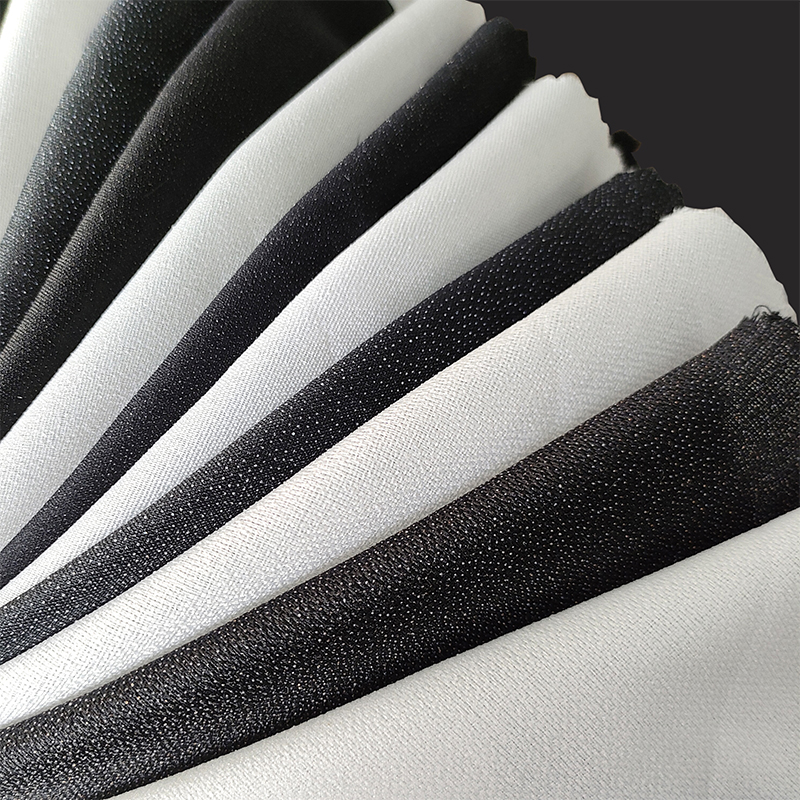
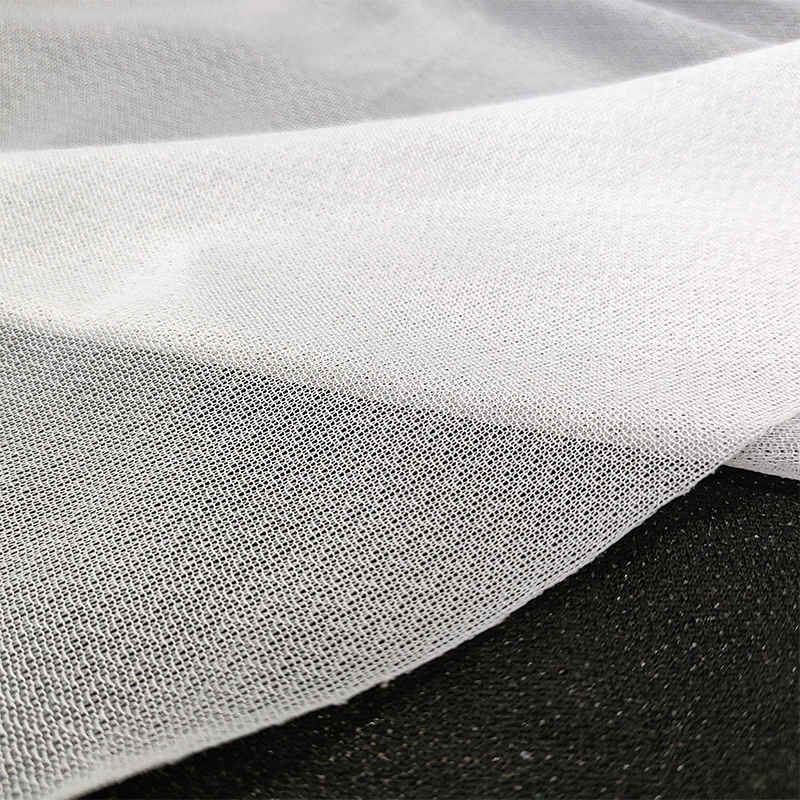
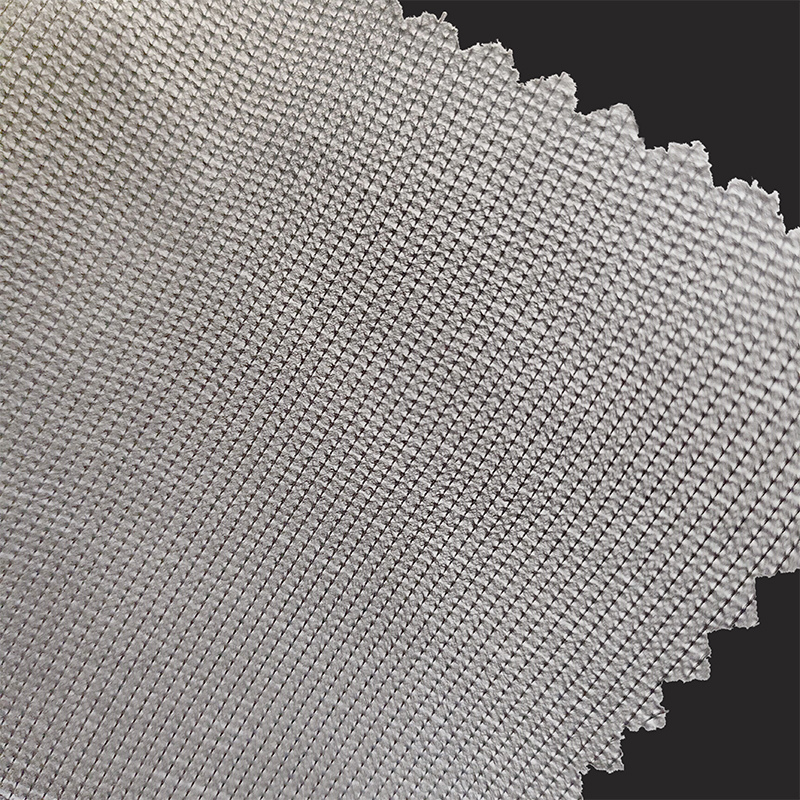
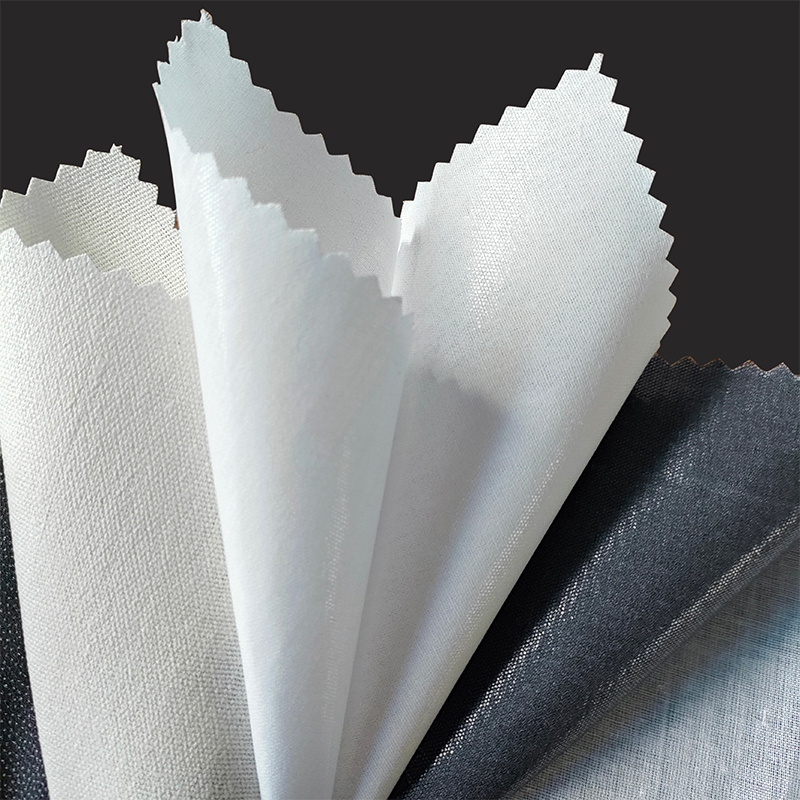
Interlining is a third layer of material placed between a bag's outer fabric and its lining. Unlike interfacing, which is typically a woven, non-woven, or knit fabric applied to a single piece of cloth to add stiffness, interlining is a full-body layer that adds structure, weight, and body to the entire bag. Interfacing stiffens individual panels; interlining unifies the whole construction. Many sewers use the terms interchangeably, but in professional bag-making, they serve distinct purposes.
The most common interlining materials used in tote bag construction include:
- Foam interlining (2–5mm craft foam or needle-punched batting): Adds volume and a soft, quilted look. Popular in lunch bags and padded totes.
- Fusible fleece interlining: Bonds to the outer fabric with an iron, adding warmth and body. Widely used in fabric tote bags sold at craft fairs.
- Woven cotton canvas interlining: A simple, washable layer that adds genuine weight without stiffness. Ideal for natural-fiber totes made from linen or cotton canvas.
- Non-woven stiff interlining (such as Pellon 70, 71, or 72F): Creates crisp, box-shaped bags with flat sides. Essential for structured totes and project bags.
- Thermolam Plus or TP970: A heat-activated interlining that compresses and adheres well to quilting cottons, used widely in quilted tote construction.
Without any interlining or interfacing, even a heavy canvas outer fabric tends to collapse inward when the bag is carried, creating wrinkles at the base and sagging sides. According to the Craft Industry Alliance's 2022 member survey, over 68% of sewers reported that their handmade bags lacked durability because they skipped stabilizer layers — the top complaint among gift recipients and customers at craft markets. Interlining solves this by distributing stress across the entire body of the bag rather than concentrating it at seams and handle attachment points.
Interlining vs. Interfacing: Quick Comparison
| Property | Interfacing | Interlining |
|---|---|---|
| Applied to | Single fabric panel | Between outer fabric and lining |
| Primary effect | Stiffens or stabilizes one layer | Adds body and structure to whole bag |
| Typical weight | Light to medium | Medium to heavy |
| Bond method | Fuse or sew-in | Fuse, sew-in, or loose-baste |
| Best for | Pockets, straps, flaps | Full bag body panels |
Choosing the Right Fabrics and Interlining for Your Tote Bag
The combination of outer fabric, interlining, and lining determines the finished bag's durability, washability, and appearance. Mismatching these three layers is the most common reason handmade totes look homemade rather than professional. Here is how to think through each layer.
Outer Fabric Options
The outer shell takes the most abuse — abrasion from surfaces, staining, UV exposure, and frequent washing. Fabrics that perform consistently well include:
- 12 oz duck canvas: The benchmark for everyday tote bags. Holds shape with minimal interlining, machine washes at 30°C without significant shrinkage after pre-washing.
- Heavy linen (7–8 oz): Natural, breathable, and attractive. Pairs best with a woven cotton interlining to prevent stretch.
- Quilting cotton: Light and printed, requires heavier interlining such as Pellon 71F or Thermolam to compensate for its low tensile strength. Without interlining, quilting cotton totes begin fraying at handle attachment points after 50–80 uses.
- Waxed canvas: Water-resistant and rugged. Does not accept fusible interlining well — sew-in or loose-baste interlining only.
- Cork fabric: Trendy and vegan leather alternative. Very stiff on its own; requires no interlining but benefits from a soft lining to protect the interior stitching.
Selecting the Correct Interlining Weight
Interlining is sold by weight (grams per square meter, or GSM) or by firmness category. As a practical guide:
- Soft/drapey tote (market bag style): Use a 60–80 GSM non-woven fusible or a thin woven cotton interlining. The bag should fold flat but spring back when opened.
- Mid-structure tote (everyday carry): Use 100–120 GSM woven or Pellon Craft-Fuse. Sides stand upright when the bag is half-full.
- Firm/structured tote (work bag, project bag): Use 150+ GSM stiff non-woven interlining such as Pellon 70 or Decovil Light. Sides stay upright even when empty.
A useful rule of thumb: your interlining and outer fabric combined should feel like a single piece of sturdy material when held together. If one layer dominates the other, you have chosen an imbalanced combination.
Lining Fabric
The lining protects the interlining from abrasion and makes the bag interior pleasant to use. For most totes, a quilting cotton or cotton-polyester blended poplin at 60–80 GSM is ideal — light enough not to add excessive bulk to the seams, but substantial enough to resist tearing when items are dropped into the bag. Silky polyester lining allows items to slide in and out easily but tends to fray aggressively at cut edges and can delaminate from some fusible interlinings in high-heat washes.
Complete Supplies List Before You Cut Anything
Gathering every supply before cutting prevents the most frustrating mid-project stops. For a standard tote measuring approximately 15 inches wide × 14 inches tall × 4 inches deep (a generous everyday size), you will need:
- 0.75 yards of outer fabric (45 inches wide) — allows panels, base, and handle strips
- 0.75 yards of interlining — same yardage as outer fabric, cut to match each outer panel
- 0.75 yards of lining fabric
- Heavy-duty thread in a coordinating color (polyester 40wt for structure, cotton 50wt for aesthetics)
- Sewing machine with a heavy-duty needle (size 90/14 for canvas, 100/16 for layered interlining)
- Rotary cutter, cutting mat, and clear acrylic ruler
- Iron and pressing cloth (essential for fusible interlining)
- Clips or wonder clips (standard pins can distort interlining layers)
- Basting spray or fabric glue pen (optional, holds interlining in position before sewing)
- Seam ripper and fabric marker or chalk
Pre-wash all fabric — outer, interlining, and lining — before cutting. Cotton outer fabrics can shrink 3–5% in the first wash (Source: American Textile Manufacturers Institute testing data). If you skip pre-washing, a finished tote that starts at 15 inches wide may end up 14.25 inches after the first laundry cycle, pulling the lining and distorting the shape.
Cutting All Panels Accurately — Including Interlining
Accurate cutting is the foundation of a flat-seamed, professional tote. Cut the following pieces for the standard size described above:
| Piece | Cut from Outer | Cut from Interlining | Cut from Lining | Qty |
|---|---|---|---|---|
| Front/Back panel | 16 × 15 in | 15.5 × 14.5 in* | 16 × 15 in | 2 each |
| Side panel | 5 × 15 in | 4.5 × 14.5 in* | 5 × 15 in | 2 each |
| Base panel | 16 × 5 in | 15.5 × 4.5 in* | 16 × 5 in | 1 each |
| Handle strip | 24 × 4 in | 24 × 1.25 in strip | — (not needed) | 2 |
| Interior pocket | — | — | 9 × 12 in | 1 |
*Interlining panels are cut slightly smaller than outer panels so they do not get caught in the seam allowance. This prevents the bulk that causes puckering at corners and seams.
Sewing Strong, Professional Handles
Handles are the most structurally stressed part of any tote bag. A finished tote carrying a laptop, water bottle, and books can hold 8–12 pounds (3.6–5.4 kg) of weight, all concentrated at two handle attachment points. Handles must be constructed and attached with this stress in mind.
Folding and Pressing the Handle Strips
- Lay the interlining-fused handle strip wrong-side up, length-wise.
- Fold both long raw edges in to meet the center line. Press firmly with iron.
- Fold the strip in half along the center line so the folded edges align. You now have a 1-inch-wide handle with four layers of fabric encasing the interlining strip.
- Topstitch 1/8 inch from both long edges with a heavy-duty needle. Stitch a second line 1/4 inch from the first for added strength. This double-row topstitching is the visual signature of a well-made bag handle.
Each finished handle should be approximately 1 inch wide and 22 inches long (leaving a 2-inch extension at each end for attachment). The interlining inside the handle prevents the cotton layers from stretching under load, keeping the handle shape consistent over years of use.
Positioning and Attaching Handles to the Outer Panels
Place each handle on the right side of the front outer panel, measuring 4 inches in from each side edge (for a 16-inch wide panel). The raw end of the handle should extend 3/4 inch below the top raw edge of the panel. Clip in place. Baste the handles to the panel at 1/4 inch from the top raw edge — this basting holds them in position during assembly without permanent stitching yet. The handles will be permanently secured later with a box-and-X topstitch after the lining is inserted.
Assembling the Outer Bag Body Step by Step
With all panels interlined and handles basted in position, you are ready to assemble the outer shell of the tote.
- Sew the front panel to one side panel: Place them right sides together, aligning the side edges. Sew with a 1/2-inch seam allowance. Press the seam open using a tailor's ham or seam roll to get into the corners cleanly.
- Add the back panel to the opposite side of the first side panel: Right sides together, sew and press.
- Attach the second side panel: Connecting the back panel to the remaining side, and finally joining the remaining side to the front panel to close the tube.
- Attach the base: With the tube inside-out, pin the base panel to the bottom opening, matching corners carefully. Clip curves if needed. Sew at 1/2 inch. Trim the corner seam allowances to 1/4 inch to reduce bulk.
- Clip and press all seams: Particularly at the base corners. Well-pressed seams are the difference between a lumpy and a flat-bottomed bag.
At this stage, the outer bag should stand upright on its own if you used medium or firm interlining — a satisfying indication that your interlining choice was correct.
Constructing and Installing the Lining
The lining is assembled in exactly the same way as the outer bag, but without interlining. Before assembly, add any interior pockets to the lining panels while they are still flat — it is nearly impossible to sew pockets inside a finished cylindrical lining.
Adding an Interior Patch Pocket
- Fold the 9 × 12-inch pocket piece in half, right sides together, so it is 9 × 6 inches.
- Sew around three sides, leaving a 3-inch opening on the bottom for turning. Trim corners. Turn right side out. Press flat.
- Position the pocket on the right side of one lining panel, centering it horizontally and placing the top edge 3 inches below the panel's top raw edge.
- Edgestitch around three sides of the pocket, closing the turning opening as you go. Reinforce the top two corners with a small triangle or box stitch.
For a phone pocket or divided pocket, add a vertical stitch line down the center of the pocket after attaching it to the lining panel.
Assembling the Lining and Joining to the Outer Bag
Assemble the lining panels the same way as the outer bag, but leave a 5-inch opening along the bottom edge of the lining base for turning the finished bag right side out. Press all lining seams open.
To join the outer bag and lining:
- Turn the outer bag right side out. Leave the lining inside-out.
- Place the outer bag inside the lining so their right sides face each other and the top raw edges align. The handles are sandwiched between the two layers.
- Match the side seams of the outer bag to the side seams of the lining, and clip generously around the entire top edge.
- Sew around the entire top opening with a 1/2-inch seam allowance, sewing over the basted handles to secure them permanently in this seam.
- Trim the seam allowance at the top to 1/4 inch to reduce bulk. Understitch the seam allowance to the lining side — press the seam allowance toward the lining, then sew 1/8 inch from the seamline through the lining and seam allowance only. This keeps the lining from rolling to the outside during use.
- Reach through the opening in the lining base and turn the entire bag right side out.
- Push the lining down into the outer bag. Press the top edge, rolling the seam slightly toward the lining side so it is not visible from the outside.
- Slipstitch or machine-sew the opening in the lining base closed.
Topstitch around the top opening of the bag, 1/4 inch from the top edge. This topstitching closes any gap between lining and outer at the top, adds a polished finish, and keeps the lining in position through repeated use.

Finishing the Handles With a Box-and-X Stitch
The box-and-X stitch is the industry standard for attaching bag handles because it distributes load across a 1-inch-square area rather than a single line of stitching. Bags attached with only a straight bartack or single topstitch line frequently fail at the handle attachment point after 3–6 months of daily use, according to tests conducted by independent sewing educators at Craftsy and similar platforms.
To sew the box-and-X:
- From the outside of the bag, position the foot at the top of one handle end, 3/4 inch below the topstitched top edge.
- Sew a rectangle around the handle end, stitching across the bottom, up one side, across the top (at the topstitching line), and back down the other side. Use a short stitch length (2.0–2.5mm) and sew the rectangle twice for maximum security.
- Without removing the fabric, sew diagonally from corner to corner twice to create the X inside the box.
- Secure thread ends by pulling to the wrong side and tying off, or running them back through several stitches with a hand needle.
Repeat for all four handle attachment points. The finished box-and-X patches should be visible and even on the outside of the bag — they are a functional design detail, not something to hide.
Common Problems When Sewing a Tote and How to Fix Them
Even experienced sewers encounter specific recurring issues when making tote bags. Here are the most frequent ones and their solutions.
Interlining Bubbles or Wrinkles After Fusing
This happens when the iron is moved before the adhesive fully activates, or when moisture in the fabric creates steam that shifts the interlining. Fix: allow the panel to dry completely before fusing if it feels at all damp. Press and hold rather than sliding. If bubbles already occurred, re-press with a dry iron set slightly higher, pressing through a pressing cloth for 15–20 seconds per section.
Lumpy or Puckered Corners at the Base
Caused by too much seam allowance material bunching at the corner junction. Fix: trim corner seam allowances to 1/4 inch before turning. For very thick interlining combinations, grade the seam allowances by trimming each layer to a slightly different width — outer fabric to 3/8 inch, interlining to 1/4 inch — so the layers stagger rather than stack.
Handles Twist or One Handle is Shorter Than the Other
Usually caused by uneven pressing when folding the handle strips or by sewing the handles in without measuring from the top edge. Mark the handle placement with chalk before basting, and measure both handles against each other before attaching. Both handles should hang to the same length when the bag is held up.
Lining Shows at the Top of the Finished Bag
This is almost always caused by the top seam being pressed toward the outer bag rather than the lining, and no understitching. Fix for future projects: always understitch. Fix for a finished bag: topstitch very close to the top edge (1/8 inch) to pull the seam allowance back toward the lining side.
Needle Breaks When Sewing Through Interlining and Multiple Layers
The combination of outer fabric, interlining, and lining at seam junctions can create stacks of 6–8 fabric layers. Use a size 100/16 or 110/18 heavy-duty needle and sew slowly over thick areas, turning the handwheel manually if necessary through the thickest spot. Denim or leather needles have reinforced shanks that resist deflection through multiple layers better than universal needles.
Tote Bag Variations That Use Interlining Differently
Once you are comfortable with the basic construction, interlining opens the door to a wide range of tote bag styles that would be impossible to achieve with a single-layer construction.
Quilted Tote Bags
A quilted tote uses a thick batting or foam interlining that is machine-quilted to the outer fabric before assembly. The quilting lines (diagonal grid, chevron, diamond) hold the interlining in position while adding decorative texture. Cut the outer fabric panels 10% larger than the finished size to account for the draw-up that occurs during quilting, then trim back to exact size after quilting.
Structured Box Totes
Box totes have flat, rigid sides rather than soft, folded corners. They are constructed using stiff board interlining — either a dedicated bag-making product like Pellon 70 or Décovil, or craft foam sheets — cut to the exact finished dimensions of each panel (no seam allowance on the interlining). The outer fabric is wrapped and glued around each panel like upholstery before the panels are sewn together at their edges. This technique creates bags that look like the structured totes seen in Japanese zakka bag-making books, which popularized this style in the early 2000s.
Reversible Totes Without Interlining
Reversible totes are designed to be used from both sides, so they cannot contain an interlining layer. In place of interlining, reversible totes are typically made from two layers of heavy canvas or denim, each of which provides enough structure independently. The challenge with reversible totes is handle construction — handles must be finished on both sides and attached in a way that looks clean from both the "outer" and "lining" side. Flat webbing handles sewn into the top seam are the most common solution because the webbing itself has a right and wrong side that reads identically from either direction.
Insulated Lunch Totes
Insulated totes replace standard interlining with a layer of reflective foam insulation (often sold as "Insulbrite" or "Insul-Fleece"). This foam-and-foil composite interlining reflects thermal energy to keep contents cool for 3–5 hours without ice (Source: Bosal Foam & Fiber product specification sheets). It is applied exactly like batting interlining but requires a Teflon presser foot or tissue paper between the foot and fabric when sewing, because the foil surface can drag under a standard metal presser foot.
Caring for a Finished Sewn Tote Bag
A well-constructed tote bag with quality interlining should last for years with basic care. The main risks to longevity are heat damage to fusible bonds during washing, and abrasion of outer fabric at the corners and base.
- Washing temperature: Wash at 30°C (86°F) or cold to protect fusible interlining bonds. High-heat washing (60°C or above) can partially delaminate fusible fleece interlinings, causing internal bubbling.
- Drying: Reshape while damp and air dry flat, or dry on low heat. High dryer heat affects the same fusible bonds as high-temperature washing.
- Ironing a finished bag: Use low heat only, pressing from the lining side when possible. Placing the bag over a rolled towel helps maintain the three-dimensional shape while pressing.
- Spot cleaning: For canvas totes with heavy soiling, spot-clean with a stiff brush and diluted dish soap rather than fully submerging in water, especially if the interlining is not rated for repeated washing.
Sew-in interlining layers are generally more washing-durable than fusible ones because they are not dependent on an adhesive bond to remain in position. If you plan to wash a tote bag frequently, consider using sew-in interlining even if fusible versions of the same weight are available — the extra basting step is worth the long-term resilience.
Professional Finishing Tips That Elevate a Handmade Tote
These are the small details that separate a tote that looks handmade from one that looks professionally produced.
- Press every seam immediately after sewing, before moving on. Cold, unpressed seams are difficult to flatten later and create lumpy, amateur-looking intersections.
- Use thread that matches the topstitching, not just the seaming. Many sewers use a contrasting thread for topstitching as a deliberate design feature — 12 or 16wt cotton thread creates bold, visible topstitching that looks intentional and finished.
- Interface the top edge of the lining with a strip of light interfacing (1.5 inches wide) fused to the wrong side of the lining top edge. This prevents the lining from drooping or stretching over time, keeping the top edge of the finished bag crisp.
- Add a magnetic snap or zipper before assembling the bag body. Snaps are inserted into the outer panels and lining before joining — trying to add them after the bag is assembled is extremely difficult.
- Sew a fabric label to the interior of the lining before assembly. A label naming the maker and wash instructions adds a professional touch and is the kind of small detail that makes a handmade tote feel like a considered, finished object rather than a project.
- Grade seam allowances at all curved and corner seams to reduce bulk and create smoother finished edges. Grading means trimming each layer of the seam allowance to a slightly different width so the layers stagger.
The final measurement of a finished tote should be very close to the intended finished dimensions. If your bag measures significantly smaller, the interlining is likely too stiff and is drawing up the seam allowances. If significantly larger, the interlining is too loose and not providing the support needed. After your first tote, you will quickly develop a feel for how different interlining weights behave and can dial in your material choices for any style of bag you want to make.